








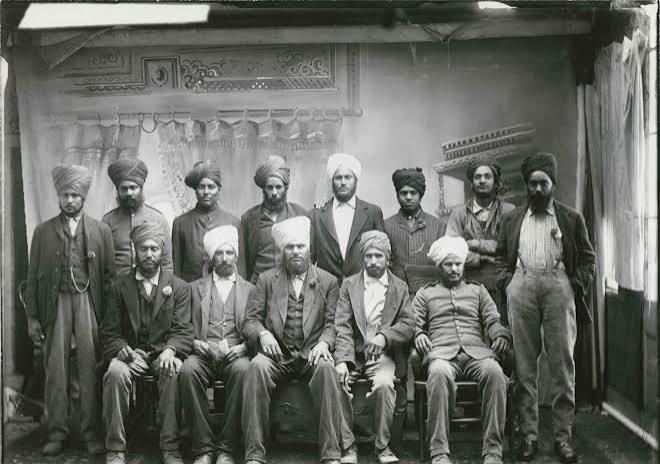
From a handful of pioneering immigrants in the late 19th century to one of America’s most influential communities today, the Indian-American journey mirrors the nation’s evolving story of opportunity, resilience and achievement
Late 1800s – First Indian arrivals
The first immigrants from India, mostly Sikh farmers from Punjab, arrive on the West Coast of the United States. They seek opportunities in agriculture, railroads and lumber mills, laying the foundation for the Indian-American community.
1900s–1910s – Punjabi settlements in California
Indian immigrants establish farming communities in California’s Central Valley, particularly around Yuba City and Stockton. Despite facing racial discrimination and restrictive laws, they contribute significantly to the state’s agricultural development.
1913 – Formation of the Ghadar Movement
The Ghadar Movement is established in San Francisco by Indian expatriates advocating for India’s independence from British rule. The movement highlights the growing political engagement of the Indian diaspora.
1917 – Asiatic Barred Zone Act
The U.S. Congress passes the Asiatic Barred Zone Act, effectively banning immigration from much of Asia, including India. The legislation drastically slows the growth of the Indian-American community.
1923 – Bhagat Singh Thind case
The U.S. Supreme Court rules in United States v. Bhagat Singh Thind that Indians are not eligible for naturalized citizenship because they are not considered “white” under American law. Many Indian immigrants lose their citizenship rights.

1946 – Luce-Celler Act
Congress passes the Luce-Celler Act, allowing Indian immigrants to become U.S. citizens and establishing an annual immigration quota of 100 people from India. It marks the first major improvement in the legal status of Indian immigrants.
1965 – Immigration and Nationality Act
A landmark immigration reform abolishes the national-origin quota system, opening the doors to skilled immigrants from India. The legislation transforms the demographic profile of Indian immigration to the United States.
1970s – Growth of Indian professionals
Doctors, engineers, scientists, professors and students arrive in increasing numbers, becoming an integral part of American universities, hospitals and research institutions.
1980s – Expansion of the community
Indian-American families establish temples, cultural organizations and community associations across the country. The community becomes more visible while maintaining strong cultural ties with India.
1990s – The technology boom
The rapid growth of Silicon Valley fuels a new wave of immigration. Thousands of Indian software engineers, entrepreneurs and technology professionals help shape America’s digital revolution.
2000s – Rise in business leadership
Indian Americans emerge as founders of successful startups and leaders of major corporations. The community also expands its presence in finance, healthcare, law, education and scientific research.
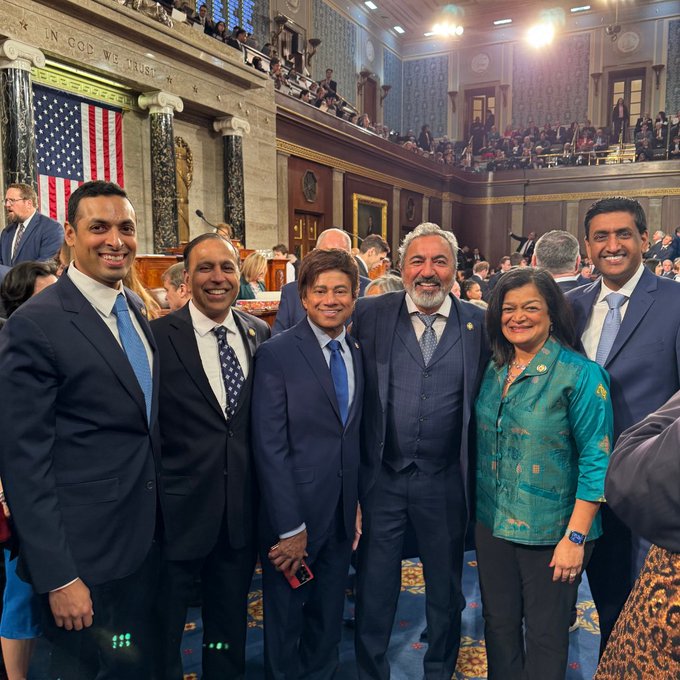
2010s – Political influence grows
Indian Americans gain greater representation in public office at the local, state and federal levels. Their influence also expands through advocacy groups, campaign fundraising and public policy initiatives.
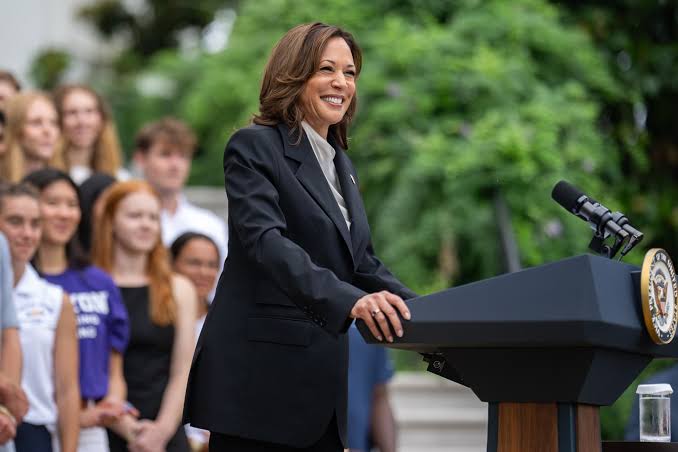
2021 – Kamala Harris becomes Vice President
Kamala Harris is sworn in as the first Indian American, first woman and first Black American to serve as Vice President of the United States, marking a historic milestone for the community.
2026 – America at 250
As the United States celebrates its 250th anniversary, the Indian-American story reflects one of the nation’s greatest immigration success stories—from a handful of pioneering farmers facing exclusion to a vibrant community helping shape America’s future while serving as a vital bridge between the world’s two largest democracies.