


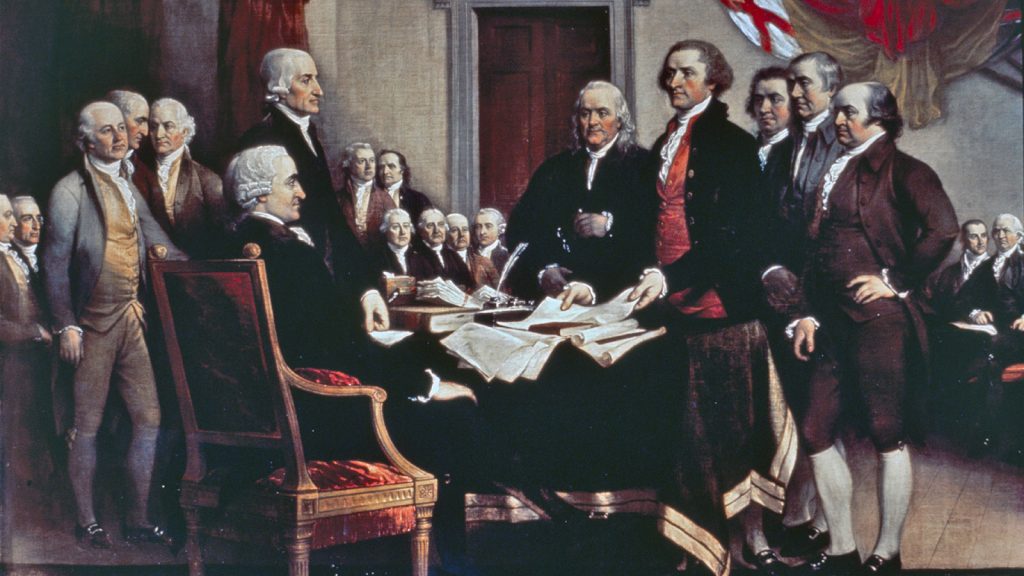
From a bold declaration of freedom to the age of artificial intelligence, the United States has spent 250 years reinventing itself. Here is a journey through the defining moments that transformed America into one of the world’s most influential democracies and economic powers.
1776 – Declaration of Independence
On July 4, 1776, the 13 American colonies adopted the Declaration of Independence, proclaiming their freedom from British rule. The document established the ideals of liberty, equality and self-government, laying the foundation for the world’s oldest continuing constitutional democracy.
1787 – The Constitution
The U.S. Constitution created a federal system with checks and balances among the executive, legislative and judicial branches. More than two centuries later, it remains one of the most enduring governing documents in modern history.
1861–1865 – The Civil War
America’s bloodiest conflict tested the nation’s unity. Fought primarily over slavery and states’ rights, the Civil War preserved the Union while fundamentally reshaping the country’s political and social landscape.
1865 – Abolition of Slavery
The adoption of the 13th Amendment formally abolished slavery, ending one of the darkest chapters in American history. Though equality remained a long struggle, the amendment marked a historic step toward justice.
1920 – Women’s Suffrage
The 19th Amendment granted women the constitutional right to vote after decades of determined activism. It dramatically expanded American democracy and reshaped political participation.

1945 – Victory in World War II
The Allied victory established the United States as a global superpower. In the decades that followed, America played a leading role in rebuilding Europe, founding international institutions and shaping the post-war world order.
1964–1965 – Civil Rights Revolution
The Civil Rights Act of 1964 and the Voting Rights Act of 1965 dismantled legal segregation and protected voting rights for African Americans. These landmark laws fulfilled many of the promises envisioned nearly a century earlier.
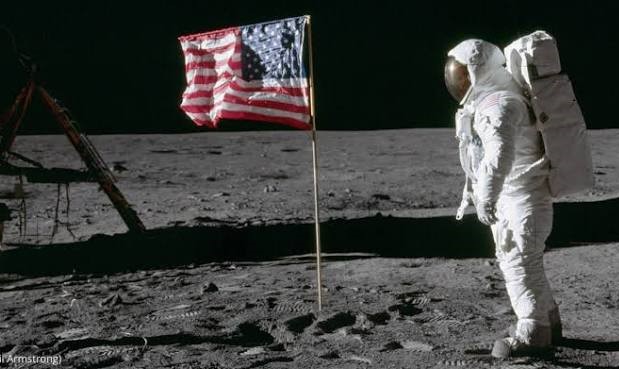
1969 – Moon Landing
When astronauts landed on the Moon during the Apollo 11 mission, America demonstrated the power of scientific ambition and innovation. The achievement inspired generations and symbolized human potential during the Space Age.
1989 – The End of the Cold War
The fall of the Berlin Wall and the collapse of the Soviet bloc marked the conclusion of the Cold War. The United States emerged as the world’s sole superpower, ushering in a new era of globalization.
2001 – September 11 Attacks
The terrorist attacks of September 11 profoundly changed America. They reshaped national security, foreign policy and public life while reinforcing the country’s resolve against global terrorism.
2008 – First African-American President
The election of Barack Obama as the nation’s first African-American president represented a landmark moment in American history, reflecting both the progress achieved and the continuing journey toward equality.
2020s – Artificial Intelligence and Technological Transformation
As America celebrates 250 years of independence, it stands at the forefront of another transformative era—one that promises to redefine work, education, healthcare and global leadership for generations to come.