








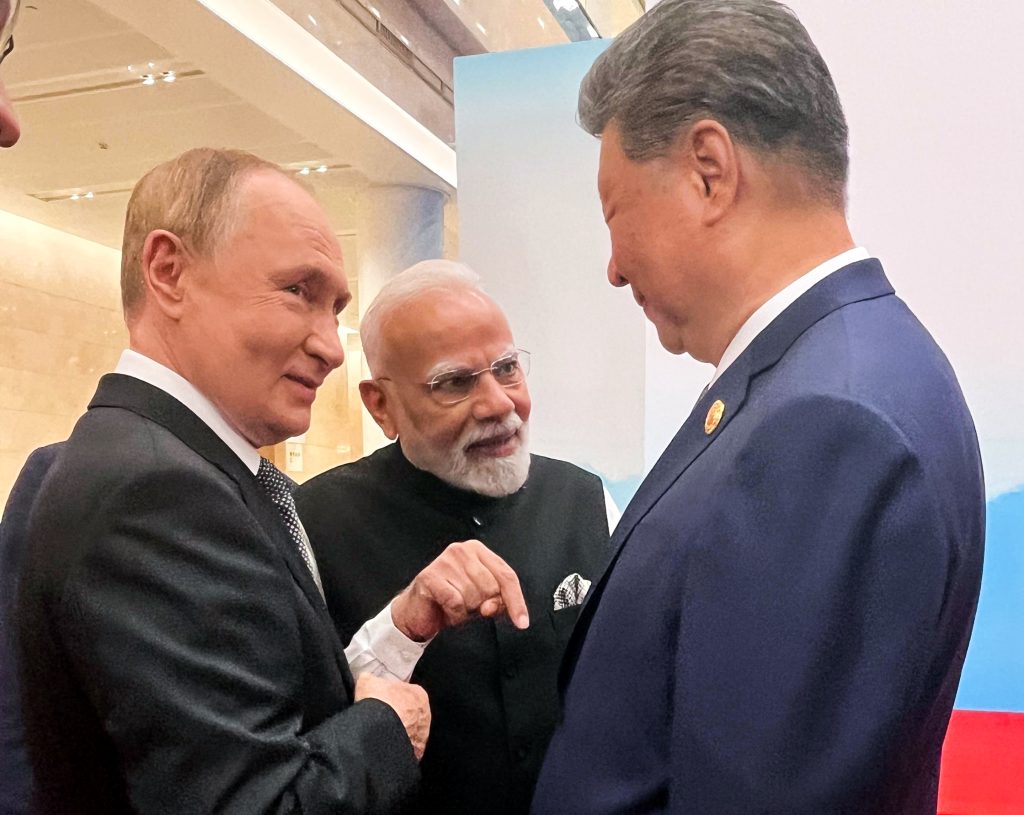
India’s government has been outspoken in its criticism of the tariffs, with India’s Ministry of External Affairs calling the move “unjustified and unreasonable.” India’s decision to explore alternative markets, including renewed engagement with China and other countries like Russia and those in Europe and South America, signals a shift away from the US
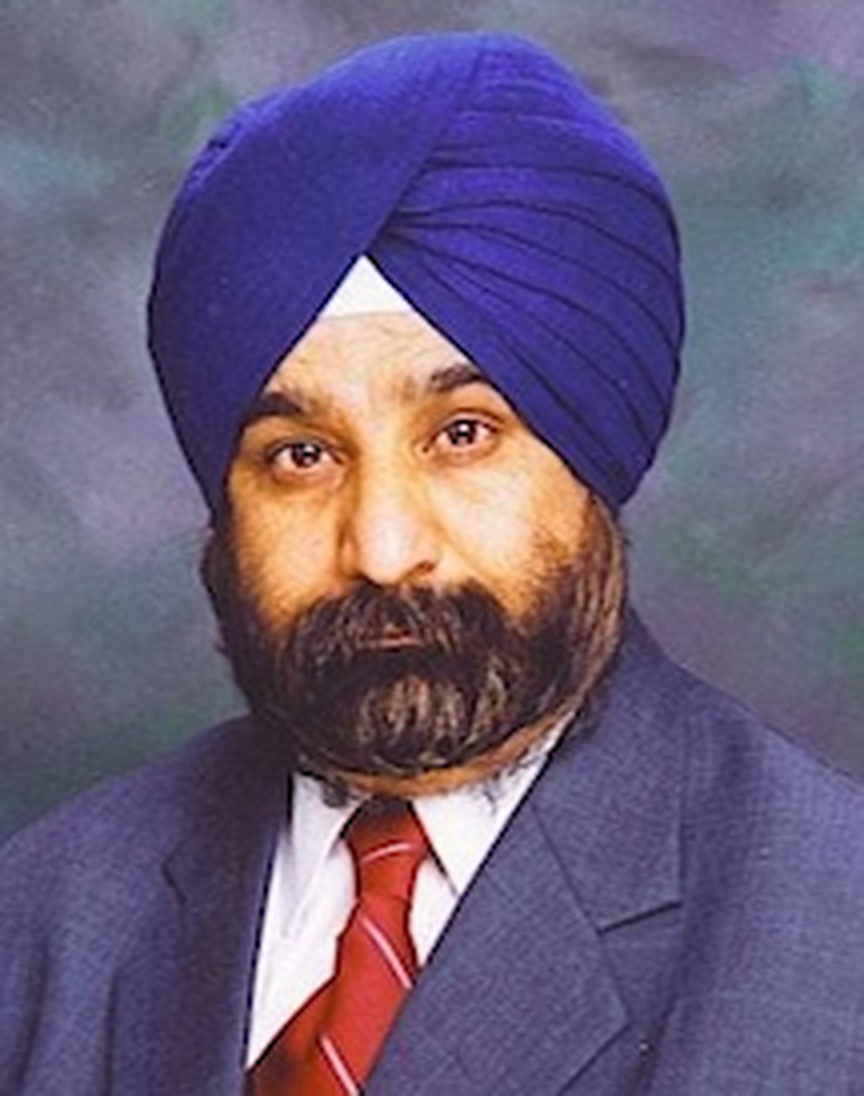
H S Panaser
In August 2025, the Trump administration imposed a sweeping 50% tariff on Indian goods, citing India’s continued purchase of Russian oil as the primary reason. Half of these tariffs were framed as punitive measures against India’s economic relationship with Russia, which the US had repeatedly condemned due to Russia’s ongoing invasion of Ukraine. However, this decision has quickly become one of the most controversial foreign policy moves in recent history, with critics arguing that it represents a significant failure in US foreign policy. By alienating a key ally in the Indo-Pacific, applying inconsistent sanctions, undermining years of diplomatic efforts, and damaging vital economic relations, the US risks further eroding its global influence.
Alienation of a Key Partner
For decades, the United States has worked to build a strategic partnership with India, seeing the world’s largest democracy as a crucial counterbalance to China’s growing dominance in the Indo-Pacific region. The US has invested considerable resources into strengthening this alliance, viewing India as a key partner in the broader strategy of containing China’s rise. However, the 50% tariffs, positioned as a rebuke for India’s decision to continue purchasing oil from Russia, could significantly derail this longstanding strategic effort.
Rather than pushing India to reconsider its relationship with Russia, the tariffs have instead driven India toward closer economic and diplomatic ties with China. This shift is not insignificant, considering the longstanding border tensions and competition between the two countries. Yet, in a surprising twist, China has openly defended India’s right to purchase Russian oil, further complicating the US’s position. India’s response to these tariffs has been one of defiance, as it seeks to explore new trade routes and deepen its connections with other global powers—both friendly and adversarial to the US. The US has inadvertently alienated a critical partner in the region, potentially driving India into the arms of China, a geopolitical development that undermines years of American efforts.
Inconsistent Policy and Double Standards
A core critique of the US’s tariff strategy is its glaring inconsistency. While the US focuses on India’s purchase of Russian oil, China—a far larger consumer of Russian energy—has largely been exempt from similar punitive measures. This discrepancy raises questions about the underlying motivations behind the tariffs. Critics argue that the US is selectively targeting India not based on a rational assessment of geopolitical priorities but rather for political reasons, perhaps influenced by the broader tensions between Washington and New Delhi over India’s independent foreign policy.
This double standard undermines the credibility of the US as a global leader. If the goal is to dissuade countries from purchasing Russian oil, a consistent, multilateral approach would be more effective. By focusing disproportionately on India, the US risks alienating other key partners and appearing hypocritical. Inconsistent policies often breed skepticism among allies and adversaries alike, diminishing the US’s ability to lead in a world increasingly characterized by multipolar power dynamics.
Undermining Decades of Diplomacy
The US-India relationship is not a recent development. It has been built over decades of careful diplomacy, including bipartisan efforts from both Democratic and Republican administrations. This cooperation has spanned a wide range of areas, from defense and security collaboration to economic partnerships and cultural exchanges. The tariffs threaten to unravel years of goodwill and collaborative efforts, particularly as India has positioned itself as an increasingly important player in global affairs.
India’s government has been outspoken in its criticism of the tariffs, with India’s Ministry of External Affairs calling the move “unjustified and unreasonable.” This public rebuke highlights the depth of the diplomatic rift the tariffs have caused. Moreover, India’s decision to explore alternative markets, including renewed engagement with China and other countries like Russia and those in Europe and South America, signals a shift away from the US. By disregarding decades of hard-fought diplomacy, the US has risked losing a strategic ally and potentially damaging its standing in the region.
Economic Ramifications
The economic impact of these tariffs is also significant. As of 2024, India was America’s largest trading partner, and the relationship between the two countries had shown tremendous growth, particularly in sectors like technology, pharmaceuticals, and education. The imposition of these tariffs threatens to disrupt this positive economic trajectory. Indian exporters may face higher costs and reduced access to the US market, potentially leading to job losses and decreased economic growth.
Furthermore, American businesses that rely on trade with India may also suffer. The interconnectedness of global supply chains means that the tariff could have ripple effects, impacting industries ranging from technology to consumer goods. The harm to economic ties could, in the long run, be more damaging to the US than to India, as the US risks alienating a rapidly growing economy in a region that is key to future global stability.
As the diplomatic fallout from the tariffs continues to unfold, the timing of the Shanghai Cooperation Organization (SCO) meeting in China adds another layer of complexity to the situation. In this forum, India, alongside China and other key countries, reaffirmed its strategic relationships with China and Russia, further complicating the US’s position in the region. The SCO, an organization increasingly seen as an alternative to Western-led global institutions, has been gaining traction among countries that are either dissatisfied with US leadership or wish to challenge the liberal international order. India’s participation in the SCO, while not signaling a full alignment with China and Russia, highlights the shifting dynamics in global geopolitics.
India’s growing engagement with the SCO, while simultaneously resisting US pressure, illustrates the failure of US foreign policy to manage the delicate balance of economic and strategic interests in the Indo-Pacific. Rather than isolating India or forcing a shift away from Russia and China, the US has inadvertently accelerated India’s pivot toward these countries. The US, once seen as a dominant global player, risks alienating allies like India, who are now more inclined to diversify their alliances and engage with multilateral organizations such as the SCO that reflect a broader range of global perspectives.
Legal Setback: The US Court Ruling on Tariffs
Further compounding the foreign policy missteps, the recent ruling by a US federal court that declared the tariff imposition on India illegal serves as a clear indication that the policy was poorly conceived and implemented. The court’s decision to strike down the tariffs not only undermines the legal standing of the Trump administration’s actions but also highlights the lack of strategic foresight in the decision-making process. The legal challenge to the tariffs was based on their inconsistency with US trade law, particularly regarding the lack of proper congressional approval. This legal setback is not merely a technicality; it reflects the broader flaw in US foreign policy, where reactive, unilateral actions are taken without the necessary legal or diplomatic groundwork.
This ruling also casts doubt on the US’s ability to follow through with its foreign policy initiatives, especially when they face significant internal opposition. The fact that a court deemed the tariffs unlawful puts into question the broader effectiveness of US actions on the global stage. If the US cannot even legally enforce its own policies, it weakens its position both domestically and internationally, as countries like India—who are already rethinking their alliances—now have a legal victory to bolster their resistance to US pressure.
Conclusion
In light of these additional developments, it is clear that the US tariffs on India have not only damaged diplomatic relations but have also exposed the weaknesses in US foreign policy execution. The SCO meeting underscored India’s move toward diversifying its strategic relationships, further distancing itself from US influence. Meanwhile, the legal ruling against the tariffs demonstrates the lack of a coherent, sustainable approach to international relations. These failures, both in diplomatic strategy and legal frameworks, highlight the need for a fundamental shift in how the US approaches its foreign policy, particularly in the Indo-Pacific. To preserve its global leadership, the US must pivot away from punitive measures and toward more cooperative, multilateral engagement with key allies like India.
As a columnist, H.S. Panesar brings a wealth of experience in global business, technology, and trade. He is the Chair of the Global Indian Trade and Cultural Council and President of the Global Indian Diaspora Alliance, with a deep understanding of the U.S.-India relationship. His expertise as a consultant in Global Business Development, Pharmaceuticals, and AI in Healthcare provides a unique and informed perspective on current events. [email protected]