








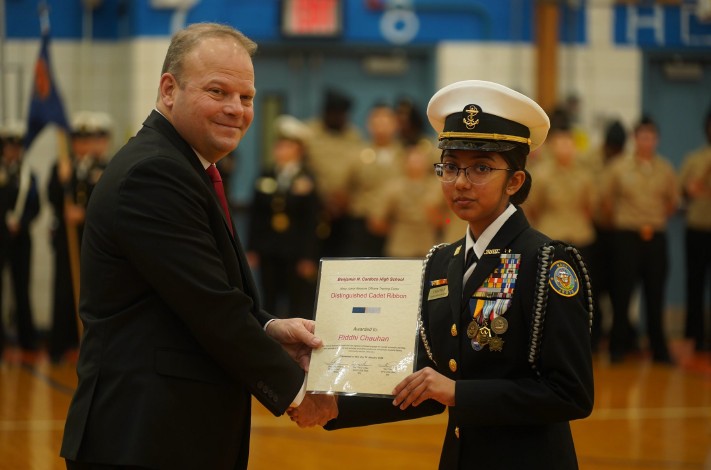
A student at Benjamin N. Cardozo High School, who serves as Battalion Commanding Officer in the NJROTC, leading nearly 300 cadets with integrity and discipline and a mentor to over 200 students and active in STEM initiatives, Riddhi Chauhan aspires to become a Naval Officer at the United States Naval Academy. Following is a Q&A depicting her inspiring story of learning and going up the ladder.
Can you tell us about the NJROTC program and the role it plays in developing student leaders?
The Navy Junior Reserve Officers Training Corps (NJROTC) is a leadership development program supported by the U.S. Navy that aims to cultivate character, citizenship, discipline, teamwork, and leadership among high school students. I lead the program as Battalion Commanding Officer, holding the cadet rank of Commander (c/CDR) at Benjamin N. Cardozo High School.
The battalion comprises nearly 300 cadets and offers a wide range of opportunities designed to foster personal and professional growth. Students can participate in leadership roles, academic initiatives, physical fitness programs, community service projects, STEM activities, drill competitions and mentorship programs.
Rooted in the core values of honor, courage and commitment, NJROTC equips young people with skills that extend well beyond the classroom, helping prepare them to become responsible citizens and effective leaders regardless of the career paths they pursue.
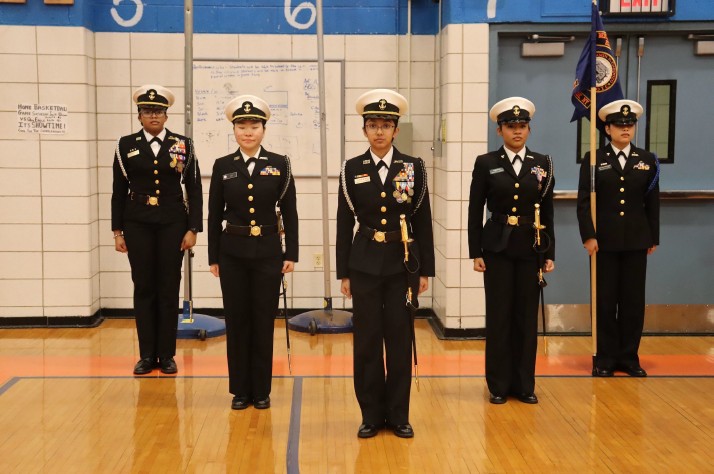
What motivated you to join the NJROTC program and how did that decision shape your goals?
I joined NJROTC with the goal of strengthening my leadership abilities and finding meaningful ways to contribute to my school and community. From the outset, I was attracted to the program’s emphasis on teamwork, discipline and a shared sense of purpose.
What began as an opportunity for personal development soon became much more. Through my experiences in NJROTC, I discovered a platform that not only helped me grow as a leader but also allowed me to mentor and support others. As I progressed through the ranks, I became increasingly inspired by the positive impact effective leadership can have on both individuals and organizations.
Those experiences ultimately reinforced my ambition to pursue a career as a Naval Officer, driven by a desire to serve a mission larger than myself and make a meaningful contribution to society.
How many individuals do you lead and what challenges come with the role?
As the Commanding Officer of a battalion comprising nearly 300 cadets, I am responsible for overseeing a large and diverse group of future leaders. One of the key challenges of the position is ensuring that every cadet feels valued, included and supported while upholding high standards of discipline, accountability and performance.
Leading an organization of this scale demands strong communication, effective delegation and a collaborative approach. It also requires maintaining clear and professional coordination with instructors so that cadet leaders understand expectations, receive proper guidance and execute the unit’s mission successfully.
Another significant challenge lies in managing cadets with varying levels of experience—from first-year members developing foundational skills to senior cadets preparing for graduation and leadership responsibilities. With compassionate leadership, I strive to foster an environment where all cadets can build confidence, achieve personal growth and make meaningful contributions to the battalion’s mission, regardless of their experience level.
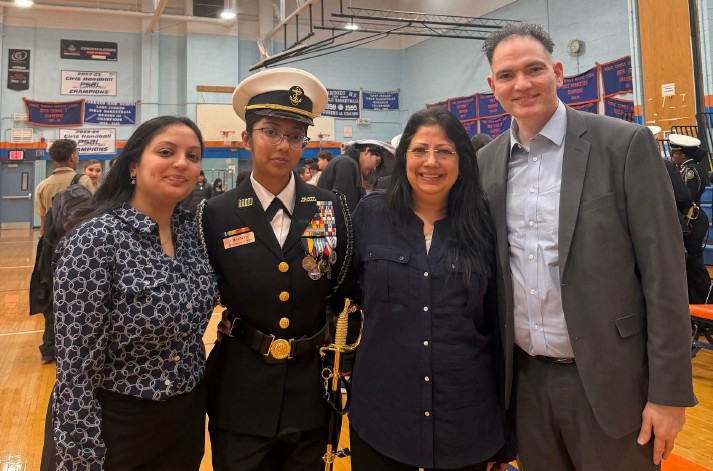
What does a typical week look like in this role, both on weekdays and weekends?
For the battalion’s Commanding Officer, leadership responsibilities extend far beyond the classroom and often begin before the school day starts. My weekdays frequently start with morning drill practices from 7:00 a.m. to 8:00 a.m., where I help prepare cadets for competitions, inspections, ceremonies and other battalion events.
Throughout the school day, I oversee battalion operations, coordinates with instructors and staff officers, mentor cadets, conducts leadership meetings and ensures that training and administrative objectives are met. My role touches nearly every aspect of the program, including preparation for the ASVAB, academic competitions, leadership development activities, drill teams, CyberPatriot, SeaPerch, and other specialized initiatives. Regular communication with instructors and cadet leaders helps ensure that goals, schedules and expectations are effectively carried out across the chain of command.
While many students head home after the final bell, I often remain on campus, meeting with instructors and mentoring fellow cadets. By identifying areas for improvement and helping students build on their strengths, I play a key role in developing the next generation of leaders. These after-school sessions involve supervising training, evaluating performance, preparing cadets for competitions and inspections, and providing guidance to younger leaders. I also lead weekly staff meetings and briefings to assess battalion progress, address challenges, and coordinate upcoming activities.
My responsibilities continue beyond school hours. Evenings are often spent developing training plans, reviewing schedules, communicating with cadet leaders and organizing future events. Weekends are frequently devoted to community service projects, competitions, leadership-development programs, field trips and battalion functions. During the summer months, I help train and mentor incoming cadets, introducing them to the program’s expectations, opportunities and leadership culture.
The position demands a substantial investment of time and energy, but for me it is a highly rewarding experience. Leading nearly 300 cadets provides a unique opportunity to help young people build confidence, strengthen leadership skills and develop a sense of purpose. My role extends well beyond the school campus, requiring constant communication, guidance and support to ensure that new leaders transition successfully and that the battalion continues to thrive.
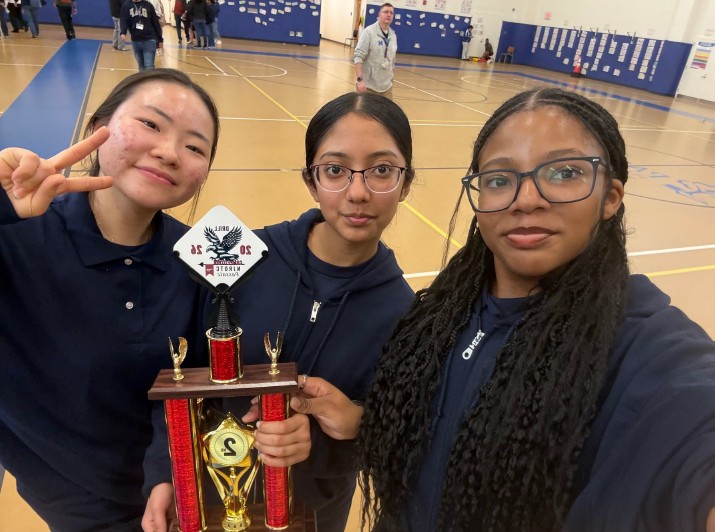
How have NJROTC leadership roles contributed to your personal and professional development?
Through a series of leadership positions in the Naval Junior Reserve Officers Training Corps (NJROTC), I have developed into a confident, disciplined and mission-focused leader. Serving as Academic Commander, STEM Commander, Platoon Leader, Training Leading Petty Officer and Inspection Commander, I gained extensive experience in team leadership, mentorship, training, and operational planning.
As Academic Commander, I successfully organized and led NJROTC academic teams in competitions including the JROTC Leadership and Academic Bowl, Brain Brawl, and the National Academic Exam. My leadership helped the Leadership Academy Bowl team advance to Round 2 for two consecutive years, while my academic team secured a first-place finish. I oversaw study sessions, team selection, training schedules, progress monitoring, and competition preparation, demonstrating strong organizational and leadership abilities.
In my role as STEM Commander, I guided cadets through the design, construction and programming of SeaPerch underwater robots. Notably, leading the development of the unit’s first robot built entirely from scratch, coordinating teamwork and problem-solving throughout the project.
Mentorship has been one of the most rewarding aspects of my NJROTC experience. As a three-time Platoon Leader, I supervised cadets during drill, inspections, and physical training while providing guidance and performance feedback. Serving as Training Leading Petty Officer and Inspection Commander, I developed study materials, trained new cadets, prepared teams for inspections and competitions and upheld standards of discipline and professionalism. Under my command, the inspection team earned first place, a testament to the preparation and teamwork I fostered.
These leadership experiences have strengthened my communication, decision-making, time-management, and problem-solving skills while teaching me to lead effectively under pressure. Most importantly, they have reinforced my commitment to service, accountability, and my long-term goal of becoming a Naval Officer.

What are the three most important lessons you have learned while balancing demanding leadership responsibilities with academic excellence?
Balancing a rigorous academic schedule with significant leadership responsibilities in NJROTC has provided me with valuable lessons that have shaped both my character and leadership philosophy.
My first and most important lesson is that leadership is fundamentally about people. Through mentoring cadets and leading teams, I discovered that effective leadership is measured not by rank or authority, but by the positive impact made on others. I learned that a single conversation, encouraging word or opportunity can significantly influence a person’s confidence, growth and future success.
My second lesson is that leadership requires consistency, resilience and discipline. Managing academic demands alongside NJROTC leadership positions, competitions, and service commitments taught me how to remain focused and dependable under pressure. I learned that true leadership is not simply about ambition but about maintaining composure, accountability, and commitment when faced with competing responsibilities.
My third lesson is that meaningful growth comes from embracing challenges. Experiences such as attending Leadership Academy, participating in Sail Training, leading nearly 300 cadets and navigating complex leadership situations pushed me beyond my comfort zone. These opportunities strengthened my resilience, built my confidence and enhanced my ability to make decisions and lead effectively in demanding environments.
As I prepare to attend the Naval Academy through the Naval Academy Preparatory School (NAPS), these lessons continue to serve as guiding principles. Together, they have reinforced the values of service, perseverance, and leadership while preparing me for the challenges and responsibilities of a future career as a Naval Officer.

Riddhi Chauhan, a student at Benjamin N. Cardozo High School, is a distinguished leader within the Navy Junior Reserve Officers Training Corps (NJROTC), where she serves as Battalion Commanding Officer of nearly 300 cadets. Known for her integrity and discipline, she has built a leadership style centered on empowerment, inclusion, and leading by example.
She has completed advanced NJROTC training programs, including Leadership Academy, Sail Training in Newport, Rhode Island, and the Senior Leadership Seminar, reinforcing the values of Honor, Courage, and Commitment. Alongside her military training, she maintains a strong spiritual foundation influenced by Mahant Swami Maharaj and her participation in BAPS Balika Sevak Training and Kishori Sevak Training, which shaped her discipline and values of humility, selfless service, and integrity.
Riddhi has mentored over 200 cadets, helping many build confidence and leadership skills. She has also led STEM and academic initiatives, including SeaPerch, JLAB, and CyberPatriot. Beyond NJROTC, she is active in student organizations and community service. Aspiring to become a Naval Officer, she hopes to continue her journey of leadership and service at the United States Naval Academy.
1 thought on “‘Effective leadership is measured not by rank or authority, but by the positive impact made on others’: Riddhi Chauhan”
Beautiful…Jay Swaminarayan