








Our Bureau
New Delhi
India’s overall fuel consumption declined by 6.5 per cent year-on-year in May 2026, driven largely by a sharp fall in liquefied petroleum gas (LPG) demand and weaker growth in key transportation fuels, according to official petroleum sector data. The decline comes amid ongoing supply disruptions in the Middle East and rising fuel prices that have weighed on consumer demand.
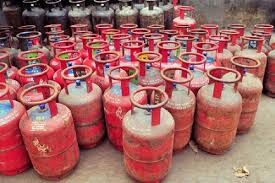
Data from the Petroleum Planning and Analysis Cell (PPAC) showed that total fuel consumption stood at 19.93 million metric tonnes in May, down from 21.3 million metric tonnes in the same month last year. LPG consumption dropped nearly 20 per cent to 2.13 million tonnes, marking one of the steepest declines among major petroleum products.
Industry observers attribute the slump to disruptions in LPG imports linked to tensions in the Middle East and shipping constraints around the Strait of Hormuz, through which a significant portion of India’s LPG imports transit. The supply crunch has resulted in higher prices and reduced availability for households and industrial users.
Petrol and diesel demand presented a mixed picture. Petrol consumption remained subdued, affected by multiple fuel price hikes during May, while diesel demand showed modest resilience, supported by transport and industrial activity. State-owned fuel retailers raised petrol and diesel prices during the month to offset rising crude oil costs.
Other petroleum products also recorded declines. Naphtha sales fell significantly, while bitumen consumption witnessed a sharp drop, reflecting softer industrial and construction activity.
Economists view the decline in fuel demand as a potential warning sign for the broader economy, noting that higher energy costs and supply-side pressures could dampen consumption and economic growth if disruptions persist. However, analysts maintain that India’s long-term fuel demand outlook remains stronger than many other major economies despite the current challenges.