









Speed is not the problem. Effort is not the problem. Imbalance is the problem. The PPP Model reminds entrepreneurs that sustainable success is built on alignment, not acceleration
Every entrepreneur works hard. Many of them work smartly. Yet only a few build businesses that last. Why? Because most businesses are built on one or two pillars, not all three that truly matter. They chase revenue without purpose, or passion without systems, or profits without sustainability.
This is where the PPP Model becomes critical. The PPP Model is a simple but powerful framework that explains why some businesses grow steadily while others collapse after early success.
PPP stands for: Purpose – Process – Profitability
Ignore even one, and growth becomes unstable.
What Is the PPP Model in Business?
The PPP Model explains that long-term business success requires balance between:
- Why the business exists
- How it operates
- What it earns and retains
Most failures don’t happen because entrepreneurs lack effort.
They happen because one of these three pillars is missing—or misunderstood.
P1: Purpose – The Direction of the Business
Purpose is not a slogan. Purpose is decision clarity.
It answers:
- Why does this business exist?
- Who is it truly for?
- What problem does it solve better than others?
Many businesses confuse profit goals with purpose. Profit is an outcome. Purpose is the direction.
Without purpose:
- Marketing becomes inconsistent
- Team alignment breaks
- Expansion decisions become emotional
A clear purpose acts like a compass.
It helps founders say no to distractions and yes to what actually matters.
P2: Process – The Backbone of Execution
Purpose without process is inspiration.
Process turns inspiration into results.
Process includes:
- Systems
- SOPs
- Decision rules
- Delegation structures
- Review mechanisms
Many entrepreneurs say, “My business depends on me.”
That is not control—it is risk.
Without process:
- Growth depends on the founder’s presence
- Quality fluctuates
- Teams get confused
- Scaling breaks the business
Strong processes allow businesses to grow without chaos.
They ensure consistency, reduce errors, and protect margins.
Process is what allows a business to run calmly, not constantly.
P3: Profitability – The Reality Check
Revenue is exciting. Profitability is survival.
Many businesses look successful from the outside but struggle internally because:
- Margins are weak
- Cash flow is unmanaged
- Pricing is emotional
- Expansion happens before stability
Profitability is not about greed.
It is about freedom, sustainability, and resilience.
A profitable business can:
- Invest in better talent
- Withstand market shocks
- Scale responsibly
- Create long-term value
Without profitability, even a purposeful and well-structured business will eventually stall.
Why Most Businesses Fail the PPP Test
Most businesses fail because they over-focus on one P:
- Purpose + No Process → Chaos
- Process + No Purpose → Directionless efficiency
- Revenue + No Profitability → Silent burnout
True growth happens only when all three work together.
How to Apply the PPP Model Practically
Ask these three questions regularly:
- Purpose Check:
Are current decisions aligned with why the business exists? - Process Check:
Can the business function smoothly without the founder’s constant involvement? - Profitability Check:
Is growth improving margins—or only increasing workload?
When all three answers are clear, growth becomes predictable.
Speed is not the problem. Effort is not the problem. Imbalance is the problem. The PPP Model reminds entrepreneurs that sustainable success is built on alignment, not acceleration.
Purpose gives direction. Process gives control. Profitability gives longevity. Miss one—and the business pays the price.
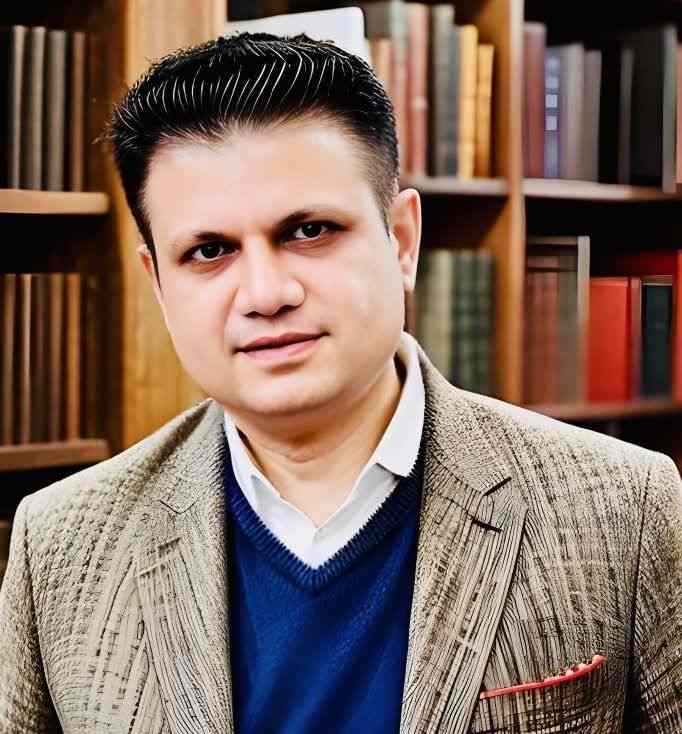
Hirav Shah is the Global Business Strategist, Game Changer, and Author of 19+ books—trusted worldwide for validating big decisions of entrepreneurs, sportsmen, and entertainers.
Email: [email protected]