








Our Bureau
New Delhi
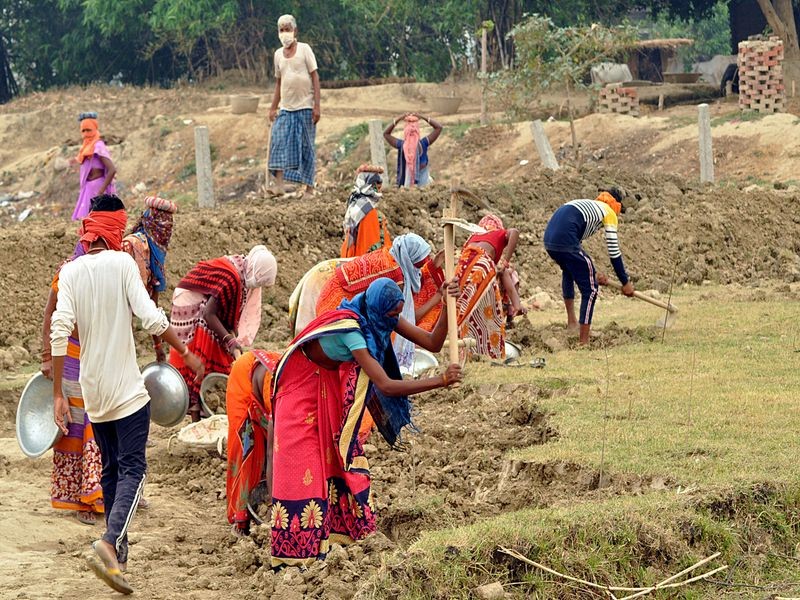
India’s rural employment framework entered a new phase with the rollout of the Viksit Bharat–Guarantee for Rozgar and Ajeevika Mission (Gramin) (VB-G RAM G), replacing the nearly two-decade-old Mahatma Gandhi National Rural Employment Guarantee Act (MGNREGA). The Centre has simultaneously notified revised wage rates across all states and Union Territories, introducing a nationwide minimum daily wage of ₹300 and expanding guaranteed employment from 100 to 125 days annually.
The government said the reform aims to strengthen rural livelihoods, reduce regional wage disparities and modernise employment generation through technology-enabled planning. The revised wage structure increases the national average daily wage to ₹327.40, with some of the largest hikes recorded in states that previously offered lower wages, including Uttar Pradesh and Bihar. Existing job cards and ongoing works will continue without disruption during the transition.
Apart from higher wages and longer employment guarantees, the new framework introduces village development plans aligned with the PM Gati Shakti National Master Plan, GIS-based project planning, digital worksite monitoring, biometric authentication and greater use of technology to improve transparency and accountability. The programme will also focus on water security, rural infrastructure, livelihood creation and climate resilience.
Another significant change is the funding model. Unlike MGNREGA, under which the Centre bore the entire wage bill, VB-G RAM G adopts a cost-sharing pattern between the Centre and states—generally 60:40 for most states and 90:10 for northeastern and Himalayan states. The scheme also introduces a normative allocation mechanism for funding.
The rollout marks one of the most significant reforms in India’s rural employment architecture in nearly 20 years, with the Centre positioning the programme as a key pillar of its Viksit Bharat 2047 vision.