








Archan Mehta

In the space of two weeks, two heavyweight cricket nations discovered the same bitter truth, reputation means nothing when reality swings, seams and smashes you in the face.
Test cricket has a way of stripping giants bare, and over the past fortnight, it did so with ruthless efficiency. India’s crushing 0–2 defeat to South Africa, their first home series loss to the Proteas in 25 years, collided dramatically with England’s bruising 0–2 Ashes deficit after just six days of cricket. Two powerhouse nations, two contrasting philosophies, and yet one uncomfortable truth: both teams found themselves exposed when the pressure meter hit red.
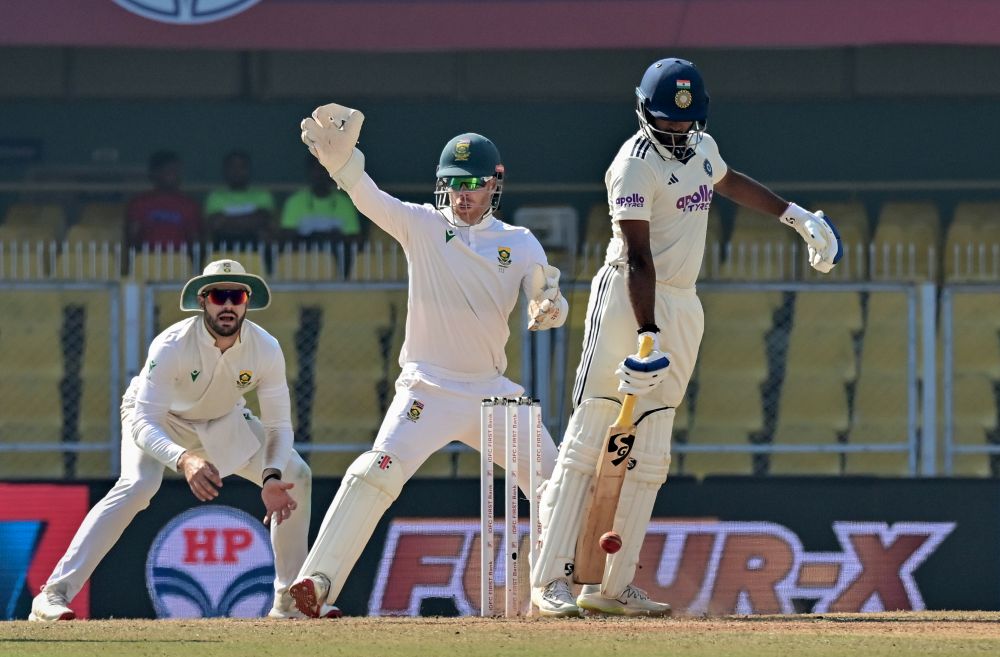
India’s decline came not from recklessness but from fragility. Gautam Gambhir openly called it a “simultaneous transition,” a rare unstable moment where both India’s batting and spin attack lacked the seasoned hands needed to survive a hostile tour. Four of India’s top eight had played fewer than 15 Tests, a glaring soft underbelly that South Africa’s meticulous planning feasted on. And nothing summed up the chaos more brutal than the second Test collapse, 95 for 1 turned into 122 for 7 in half an hour, the kind of implosion that signals not just poor technique but a vanishing temperament. India didn’t just fail; they buckled under the weight of their own inexperience.
England, meanwhile, fell for the opposite sin: excess. Where India needed stability, England needed restraint. Bazball, the empire of aggression built on swagger and audacity finally collided with its own limitations. Ben Stokes admitted his men “couldn’t stand up to pressure,” and the evidence was everywhere. Batters drove on the rise against the moving new ball, bowlers reached for the short-pitched bailout far too often, and fielders shelled chances that Australia eagerly swallowed. Yes, three Tests remain, and mathematically anything is possible but the writing is already on the wall. Unless England rediscovers nuance, patience, and discipline, the remaining matches may feel less like a comeback and more like a countdown. England don’t lack experience; they lack clarity.
And yet, the crossroads each team stands at could not be more different. India must fix a pipeline problem, developing players with “tough characters and limited skills” who can grind through Test cricket’s long, harsh hours. Their task is foundational: return promising youth to domestic cricket, teach them the craft of innings-building and the patience that separates promise from pedigree. England’s problem lies not in the supply chain but in the software, the mentality that still wants to attack its way out of every situation. They have the players; they now need a philosophy that respects conditions as much as it challenges them.
In the end, two giants stumbled, but for two very different reasons. India fell because they didn’t have enough Test-ready players. England fell because their Test-ready players forgot the Test-ready mindset. And as the dust settles on both continents, one message rings clear: reputations don’t win Test matches, resilience does.
Archan Mehta is a writer dedicated to telling compelling stories about athletes, teams, and the world of cricket
2 thoughts on “Two Empires, One Collapse: India Lost Its Aura, England Lost Its Brains”
Well penned Archan….
If I may add——— Bazball no longer ‘only England’ domain…. The two tests Aussies have given England a taste of their own medicine…. Surely a bitter pill to swallow for the ones who pioneered it ….. Smell the coffee- as they say- for India and England……
Well said—- If I may add—— Bazball no longer only England domain. The two tests, Aussies have given England a taste of their own medicine- scoring g at almost 5 runs an over- a defi bitter bill to swallow for the pioneers of that style of play.
‘Smell the coffee’ – as they say- for both India and England