








Our Bureau
Los Angeles, CA
Google has officially announced its latest flagship smartphones — the Pixel 10 series — signaling another step in the tech giant’s push to challenge rivals like Apple and Samsung with a blend of hardware improvements and AI-driven features.
The lineup includes four models: the Pixel 10, Pixel 10 Pro, Pixel 10 Pro XL, and Pixel 10 Pro Fold. Each device comes with notable upgrades, from wireless charging innovations to camera improvements and foldable durability enhancements.
One of the most significant changes is the introduction of “Pixelsnap” magnets built directly into the phones. This brings Google in line with Apple’s MagSafe technology, ensuring secure alignment on wireless chargers. All models are Qi2-certified, supporting up to 15W wireless charging, while the Pixel 10 Pro XL takes a leap with Qi2.2 support, enabling 25W wireless charging. Faster wired charging is also part of the package.
Camera technology remains a major selling point. For the first time, the base Pixel 10 includes a telephoto lens, offering 5x optical zoom and up to 20x Super Res Zoom. However, Google has trimmed back the specifications of the main and ultrawide cameras compared to the Pixel 9, raising questions about trade-offs in image quality.
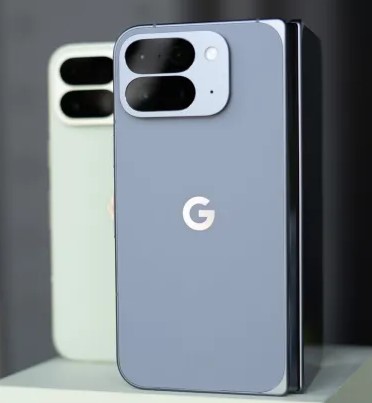
Foldable technology sees a key advance with the Pixel 10 Pro Fold, which now carries an IP68 dust- and water-resistance rating. This makes it far more durable than its predecessor and positions it ahead of Samsung’s Galaxy Z Fold 7 in dust protection — a crucial concern for premium foldable users.
Artificial intelligence continues to define Google’s hardware strategy. The Pixel 10 lineup introduces features like Magic Cue, which anticipates user needs by surfacing contextual information such as flight details during calls, and Camera Coach, which provides real-time guidance to enhance photography.
Analysts say the Pixel 10 series reflects Google’s intent to position its hardware not just as premium smartphones but as AI-powered companions, banking on both incremental hardware upgrades and AI integration to compete in a crowded market.