








Our Bureau
Bengaluru
India’s rapid march toward a cashless economy is slowing at the grassroots, as a growing number of small shopkeepers are rejecting digital payment methods in favor of traditional cash. The move comes after a wave of tax scrutiny triggered panic among micro-businesses, especially in states like Karnataka, highlighting long-standing concerns about the inclusivity of India’s digital payment ecosystem.
The Unified Payments Interface (UPI) has transformed India’s payment landscape. In June 2024 alone, the National Payments Corporation of India recorded over 14.04 billion UPI transactions. However, this surge conceals anxiety on the ground. Small traders and vendors—selling vegetables, snacks, or daily essentials—are increasingly refusing UPI payments after thousands received Goods and Services Tax (GST) notices based on their digital receipts.
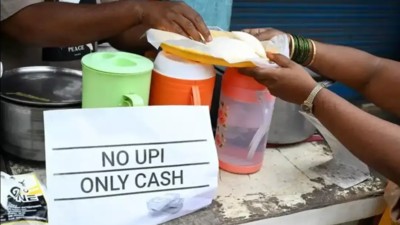
Officials in Karnataka, for instance, flagged nearly 14,000 unregistered traders whose cumulative UPI transactions exceeded ₹40 lakh annually, the threshold requiring mandatory GST registration. With many vendors unaware that digital inflows—often mixed with personal transfers—could be treated as business income, panic ensued. Handwritten signs declaring “No UPI, only cash” have appeared at stalls and shops across Bengaluru, Hubballi, and Mysuru.
For small retailers, the shift to cash is as much about survival as it is about convenience. High compliance costs, the need for sophisticated accounting, and the pressure to raise prices due to GST have made digital transactions riskier than their potential benefits. Many business owners argue that maintaining separate accounts or fulfilling formal paperwork is impractical on slim profit margins, with some fearing large retrospective tax demands stretching back years.
Regular customers accustomed to paying via UPI now find themselves reverting to cash for daily purchases. While larger stores maintain digital payment options, small-scale retailers cite tax fears as the main reason for going offline. Legal experts, meanwhile, question the GST department’s reliance on digital transactions as sole evidence of turnover and call for more clear and realistic guidelines for tiny businesses.
As grassroots vendors abandon UPI despite rising adoption elsewhere, concerns are mounting about whether India’s digital platforms truly serve its smallest economic actors—or primarily benefit those already formalized. The trend signals the need for transparent rules and support systems if the vision of a genuinely inclusive cashless economy is to be realized.