








Our Bureau
Mumbai
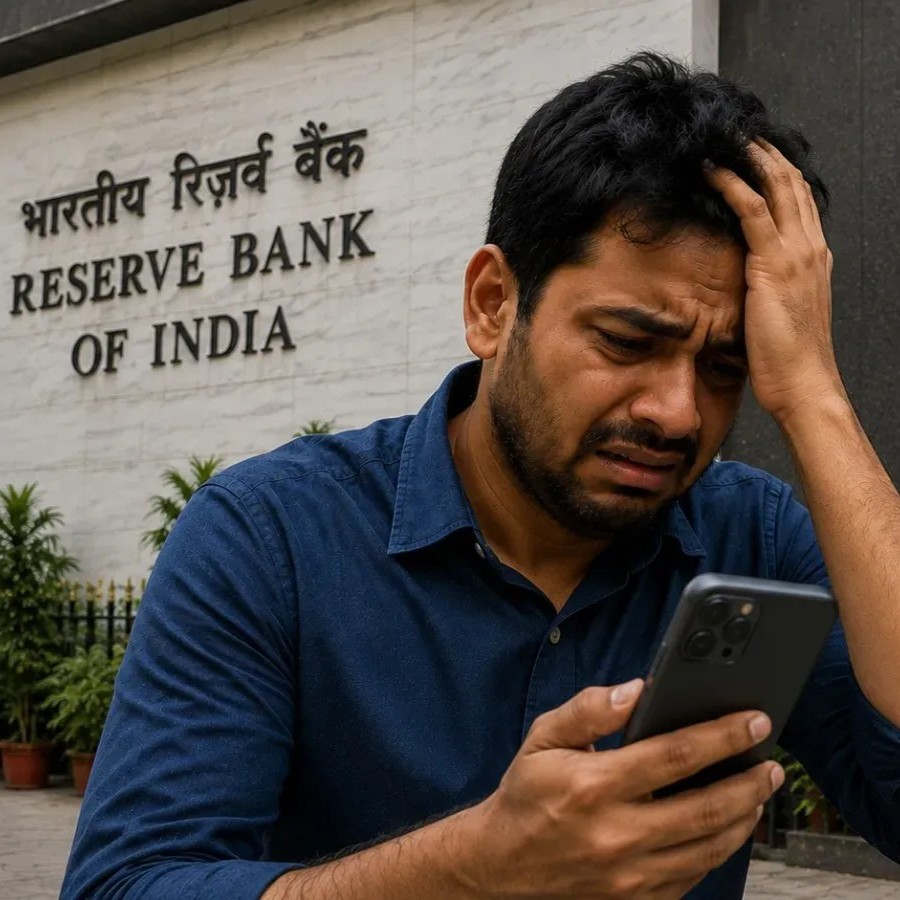
The Reserve Bank of India (RBI) has introduced a new framework to provide financial relief to victims of small-value digital banking frauds, with eligible customers set to receive compensation of up to ₹25,000 from January 1, 2027. The move aims to strengthen consumer protection as online scams and cyber frauds continue to rise alongside India’s expanding digital payment ecosystem.
Under the new mechanism, individuals and eligible sole proprietors who suffer losses of up to ₹50,000 through fraudulent electronic banking transactions may receive compensation equivalent to 85% of their net loss, subject to a maximum limit of ₹25,000. The benefit will be available under specific conditions and is designed primarily for genuine victims of digital payment fraud.
The RBI has stressed that timely reporting will be crucial. Customers will need to inform their bank and report the fraud through official cybercrime reporting channels within the prescribed period, including a five-day window, to improve their chances of receiving relief.
The framework comes as digital fraud methods such as phishing, fake customer support scams, and fraudulent payment requests become more common. The central bank’s initiative seeks to reduce customer vulnerability and improve confidence in digital transactions.
Alongside compensation measures, the RBI is also focusing on strengthening banks’ internal risk management systems. The regulator has pushed financial institutions to improve governance around artificial intelligence and machine learning-based models used for fraud detection, automated decisions, and risk assessment.
The new rules also expand protection for cases where customers are deceived into transferring money to fraudsters posing as legitimate entities. Earlier customer liability frameworks were focused mainly on unauthorised transactions, but the revised approach addresses a wider range of digital scams.
The compensation framework will operate as a pilot initiative for 2027, marking a significant shift in India’s approach toward digital banking security. While the scheme offers relief after fraud incidents, the RBI continues to emphasise stronger preventive systems, faster reporting, and improved cyber awareness among customers.
The move reflects the regulator’s broader effort to balance rapid digital banking growth with stronger safeguards for consumers in an increasingly technology-driven financial environment.