








Archan Mehta
Indian cricket selection has officially transitioned from a game of statistical merit to an executive talent search, where having the right corporate resume matters less than catching the CEO’s eye.
India’s squad selection for the upcoming series against Afghanistan has offered a revealing insight into the team management’s long-term planning ahead of the 2027 ODI World Cup. While the opposition may not carry the same intensity or public attention as a major overseas tour, the selectors and coaching staff appear to be using this series as a crucial checkpoint for shaping the next phase of Indian cricket.
More importantly, the selections suggest a noticeable philosophical shift: the era of widespread workload management and “rest culture” for senior stars appears to be fading. The inclusion of stalwarts like Virat Kohli and Rohit Sharma in a relatively low-profile ODI assignment reinforces the idea that the management still views them as indispensable pillars of India’s 50-over setup rather than veterans who can be rotated casually for experimentation. To future-proof the squad, India is aggressively hunting for successors to Bumrah and Jadeja, prioritizing raw bowling attributes over domestic stats. Concurrently, management aims to secure a stable number three batsman and groom multi-dimensional all-rounders for slots six and seven to ensure balance overseas.
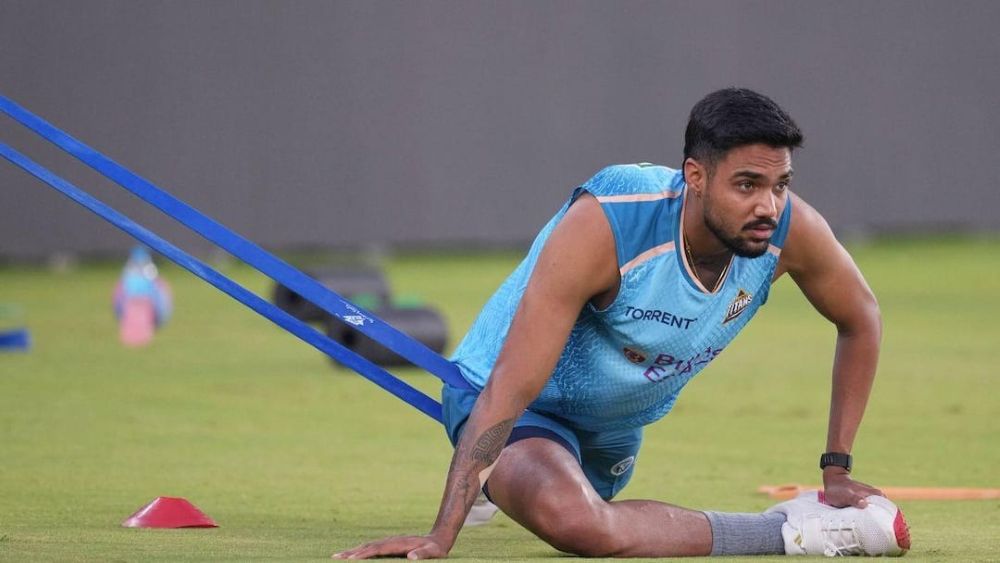
One of the most contentious talking points has been the selectors’ blatant prioritization of IPL flashiness over the grueling grind of traditional domestic cricket. Tall left-arm quick Gurnoor Brar is perhaps the most glaring example of this shift; despite a meager domestic red-ball record and a largely inconsistent, bench-warming role within the Gujarat Titans setup, he was fast-tracked into the national squad based entirely on the speculative allure of his height, pace, and bounce. Similarly, fast bowler Prince Yadav has been catapulted into the senior setup after only a handful of eye-catching spells in India A fixtures and the IPL, bypassing dozens of domestic workhorses who have spent years taking fifers on unhelpful pitches.
This corporate, attribute-first philosophy has heavily infected the spin department as well. Instead of rewarding the highest wicket-takers of the Ranji Trophy, the management has plucked young left-armers Manav Sutar and Harsh Dubey out of the T20 ecosystem, hoping against hope that raw, white-ball prospects can magically replicate the tactical mastery and lower-order stability that Ravindra Jadeja spent a decade perfecting in first-class cricket. By turning the national cap into an extension of an IPL contract, the selectors are sending a damaging message to the domestic circuit: sustained excellence in India’s premier tournaments no longer matters if you don’t possess the right franchise visibility.
The exclusion of Jammu & Kashmir pacer Aqib Nabi has particularly intensified those concerns. Nabi’s first-class record is impossible to ignore: over 100 wickets at an average of 14. Yet he failed to find a place in the Test squad. This omission raises uncomfortable questions about the relevance of Ranji Trophy performances, suggesting that attributes like pace potential, athletic upside, and IPL visibility may now hold greater value than sheer statistical dominance in red-ball cricket.
Another contentious area has been the management of wicket-keeping and all-round options. KL Rahul’s appointment as Test vice-captain has drawn criticism, with many believing Rishabh Pant deserved leadership backing. Meanwhile, Axar Patel has been overlooked in favor of Washington Sundar, and Mohammed Shami’s omission suggests an unofficial age-based transition policy may already be in effect.
Perhaps the most worrying aspect is the uncertain future of India’s younger batters like Yashasvi Jaiswal, Ruturaj Gaikwad, and Tilak Varma. With senior stars now playing even lower-profile bilateral series, opportunities for these younger players have virtually disappeared. They are deemed inexperienced for difficult overseas assignments, yet they are simultaneously denied opportunities in home conditions against comparatively weaker opposition. Without continuity, their international growth risks stagnating at a critical stage of their development.
If the selectors keep picking players based on corporate “potential” rather than domestic “performance,” India might soon find themselves with a squad full of highly visible assets who forgot how to close out a deal when the market gets tough.
Archan Mehta is a writer dedicated to telling compelling stories about athletes, teams, and the world of cricket