








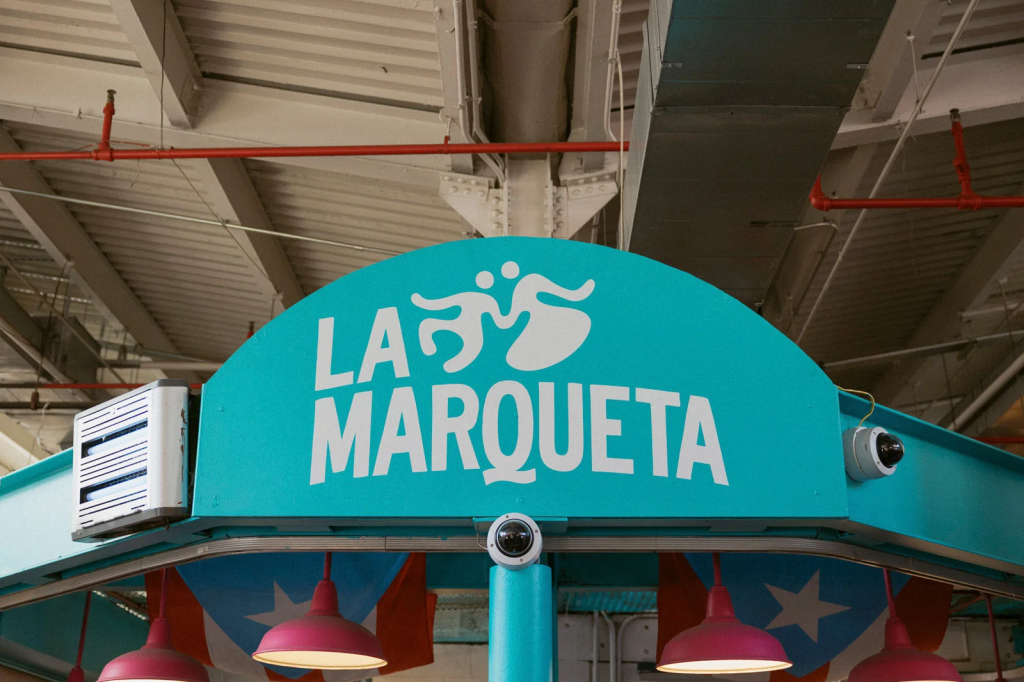
All five sites to open before end of mayoral term; first location to open in 2027 and La Marqueta to open in 2029
Our Bureau
New York, NY
Mayor Zohran Kwame Mamdani, alongside Deputy Mayor Julie Su and the New York City Economic Development Corporation (NYCEDC), has announced La Marqueta in East Harlem as the first site for the city’s municipal grocery store program—an ambitious effort to confront rising food prices and expand access to affordable groceries.
The planned 9,000-square-foot store will be built from the ground up and is expected to open by 2029, while the first city-owned grocery store overall is slated to launch in late 2027. The Mamdani administration aims to establish one such store in each borough by the end of the mayor’s first term, signaling a broader structural intervention in the city’s food economy.
The urgency behind the initiative is clear. Grocery prices in New York City have surged nearly 66 percent over the past decade, significantly outpacing the national average. The city-owned grocery model is designed to counter this trend by leveraging public ownership to eliminate layers of cost that are typically passed on to consumers.
The initiative seeks to deliver “affordable, high-quality groceries” while strengthening neighborhood-level food access. To support the rollout, Mayor Mamdani has allocated $70 million in capital funds for the development of five locations across the city.
Framing the move as a response to market imbalance, Mamdani said, “When corporations control every part of the food supply chain, prices go up, basic necessities become luxuries and workers and customers both lose.” He added, “A public option allows us to intervene where the market has failed… This is about ensuring that every New Yorker, regardless of income or ZIP code, has access to fresh, healthy food at a price they can afford.”
Under the proposed model, the city will retain ownership of the land and absorb major overhead costs such as rent and construction. A private operator, selected through a request for proposals process, will handle daily operations. Crucially, that operator will be contractually obligated to pass savings directly to consumers, particularly on a core basket of essential goods.
Deputy Mayor Julie Su emphasized the broader policy vision behind the initiative. “Economic justice means making sure the basic necessities of life—starting with food—are affordable and accessible in every borough,” she said, describing the grocery program as “a centerpiece” of the administration’s economic justice agenda.
Public health considerations are also central to the effort. Deputy Mayor for Health and Human Services Dr. Helen Arteaga highlighted the connection between food access and well-being, stating that “the health and well-being of New Yorkers are dependent on their ability to access affordable, nutritious foods.” She described the project as “a monumental step toward addressing the cost-of-living crisis, improving public health, and creating a more dignified and equitable city.”
To guide implementation, the administration has announced the creation of an NYC Groceries Task Force, led by Deputy Mayors Su and Arteaga. The group will bring together city agencies, industry experts, and small business owners to shape the program’s rollout and ensure it meets community needs.
Local leaders have welcomed the decision to place the first store in East Harlem, a neighborhood long associated with both cultural vibrancy and economic challenges. Council Member Elsie Encarnacion said the initiative would help ensure families can “buy fresh, affordable food right in their own neighborhood,” adding that it reflects the importance of investing in communities like hers.
Manhattan Borough President Brad Hoylman-Sigal pointed to the area’s health disparities, noting that limited food access contributes to “higher rates of diabetes [and] heart disease.” He said the selection of La Marqueta builds on its “historic role as a vital neighborhood food hub.”
Council Member Yusef Salaam framed the initiative in moral terms. “Food is a basic human right and no one should have to work more than one job to afford to put dinner on the table,” he said, adding that the project is “a significant step toward fighting food insecurity.”
From an economic and development perspective, NYCEDC Interim President and CEO Jeanny Pak described the program as a way to address “food insecurity and affordability while ensuring good paying, quality jobs and a dignified, enjoyable shopping experience.” Labor leaders have also expressed cautious support, with Stuart Appelbaum of RWDSU saying they look forward to ensuring the stores “deliver for families and workers alike.”
The choice of La Marqueta carries both symbolic and practical weight. Located in the heart of East Harlem, the site currently supports more than 20 small businesses and 120 workers. Originally opened in 1936 by Mayor Fiorello LaGuardia as the Park Avenue Retail Market, it was designed to bring pushcart vendors—primarily Jewish and Italian—under one roof and expand access to affordable food for working-class residents.