








Sunil Hali

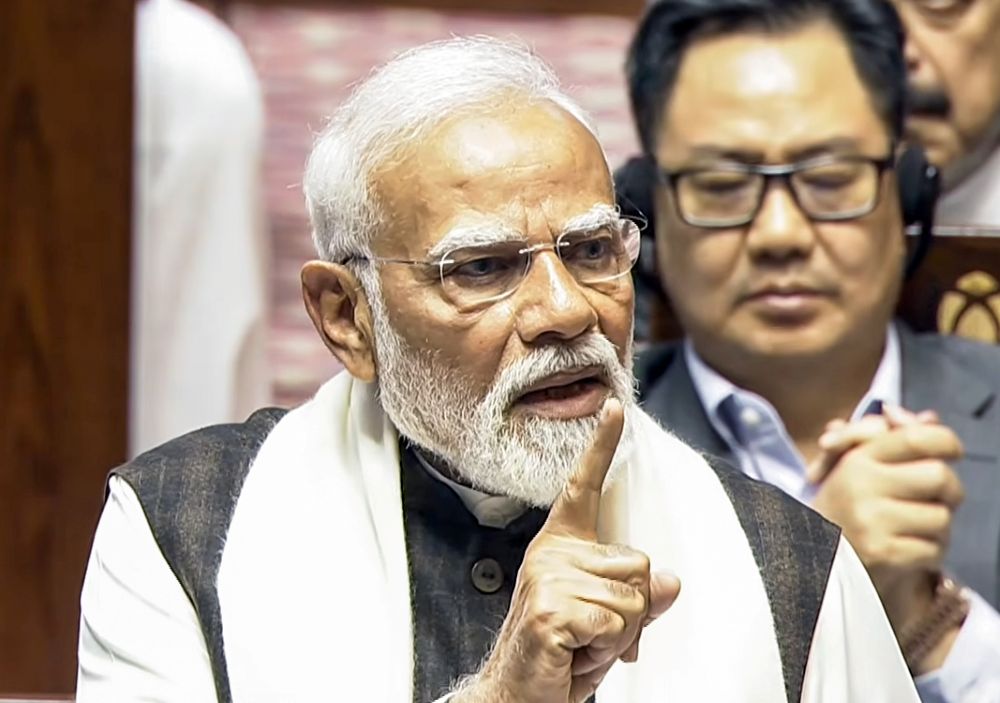
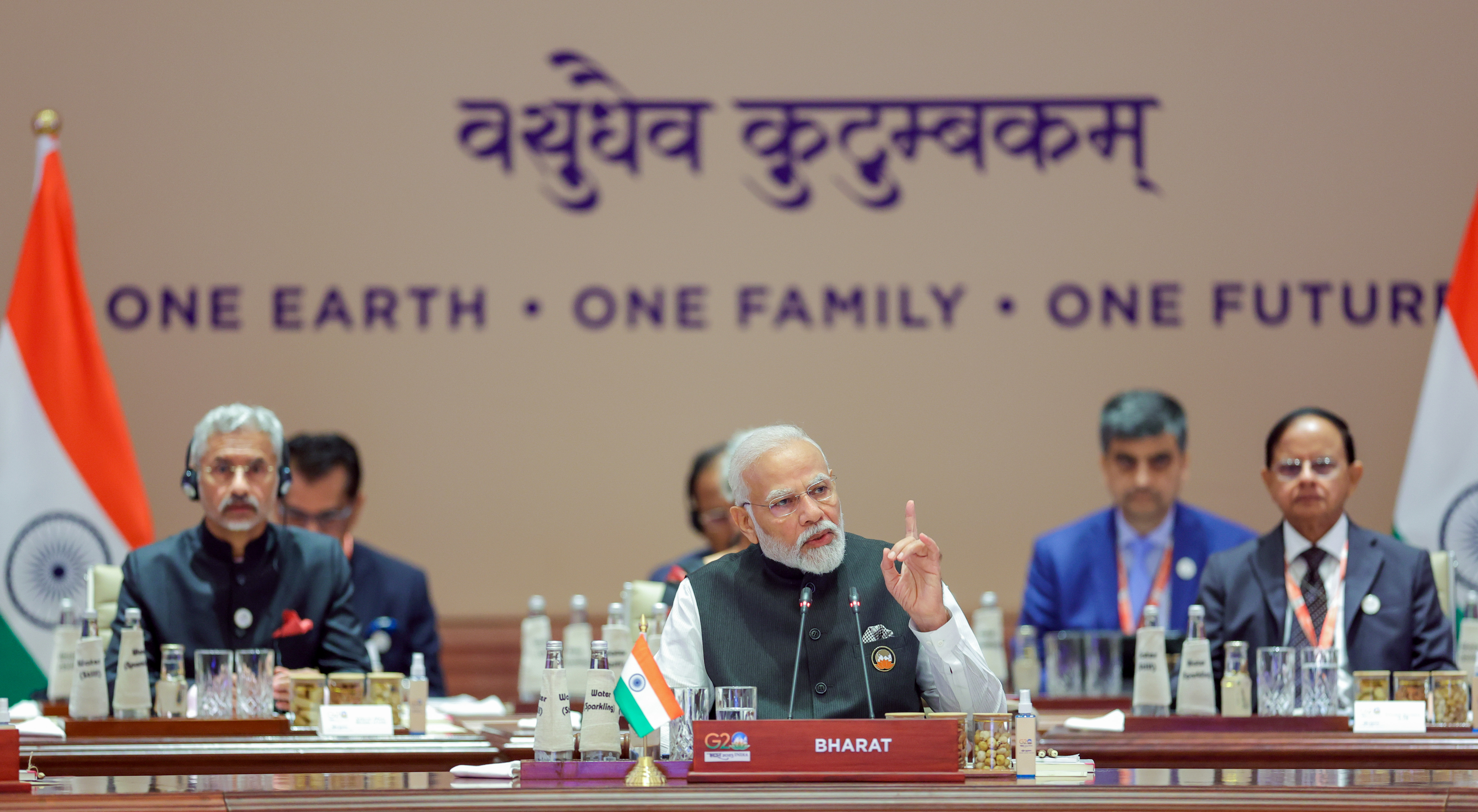
In 2014, standing in the historic Central Hall of Parliament, Prime Minister Narendra Modi famously reframed the age-old “half-full” metaphor. He suggested that a glass is never truly empty; it is always full—half with water and half with air. This “born optimist” philosophy, which turned a moment of political transition into a mandate for national hope, serves as the perfect lens for analyzing the recent bilateral trade agreement between India and the United States. While skeptics and critics might focus on the remaining 18% tariff as a lingering void, the strategic “air” in the glass represents a massive, necessary de-escalation of an economic relationship that, throughout 2025, was nearing a catastrophic breaking point.
The deal marks a pivotal shift from what many analysts dubbed the “tariff bloodbath” of 2025. It successfully slashes the effective duty on a vast majority of Indian goods from a staggering 50%—a rate that included punitive measures triggered by India’s continued procurement of Russian oil—down to a far more manageable 18%. To understand why this is a victory of pragmatism over protectionism, we must look at the specific pillars that support this new bridge across the Atlantic.
A Reset in Bilateral Sentiment
The agreement acts as a vital “confidence-building measure” after a year characterized by diplomatic friction and economic brinkmanship. By removing the 25% punitive surcharge, Washington has signaled a willingness to decouple geopolitical disagreements from core economic cooperation. This effectively lowers the temperature in a relationship that remains the undisputed cornerstone of Indo-Pacific stability. For India, it is a validation of its “multi-aligned” foreign policy; for the U.S., it is an acknowledgement that India is too significant a node in the global supply chain to be sidelined by temporary policy disputes.
Sector-Specific Vigilance and Ambiguity
While the broad reduction to 18% is a cause for celebration, the “water” in the glass requires careful measurement. Stakeholders are currently awaiting the “final papering” of the deal, which will reveal the granular details often hidden in legalistic footnotes. Critical exemptions remain a point of contention—most notably the Section 232 duties on steel and aluminum that have long been a thorn in the side of Indian heavy industry. Furthermore, a narrative gap has emerged: U.S. negotiators have hinted at a long-term “zero tariff” commitment, whereas New Delhi maintains a firm stance on protecting its sensitive agriculture and dairy sectors. This tension suggests that while the trade war has ended, the trade negotiation is far from over.
Immediate Boost to Global Competitiveness
The economic impact of the 18% floor cannot be overstated. Indian industry responded with an immediate relief rally on the bourses, reflecting a surge in investor confidence. Mathematically, the 18% rate places Indian exporters at a slight but significant advantage over regional rivals like Vietnam and Bangladesh (hovering around 20%) and gives them a massive head start over Chinese exports, which face tariffs in the 30-35% range.
Labor-intensive sectors such as textiles, leather, and gems and jewelry—which suffered production cuts of up to 70% during the peak tariff period of 2025—are already reporting a revival in order visibility. For the MSME (Micro, Small, and Medium Enterprises) sector, this 32% reduction in duty is the difference between insolvency and an aggressive return to the global stage.
The Return of Personal Diplomacy
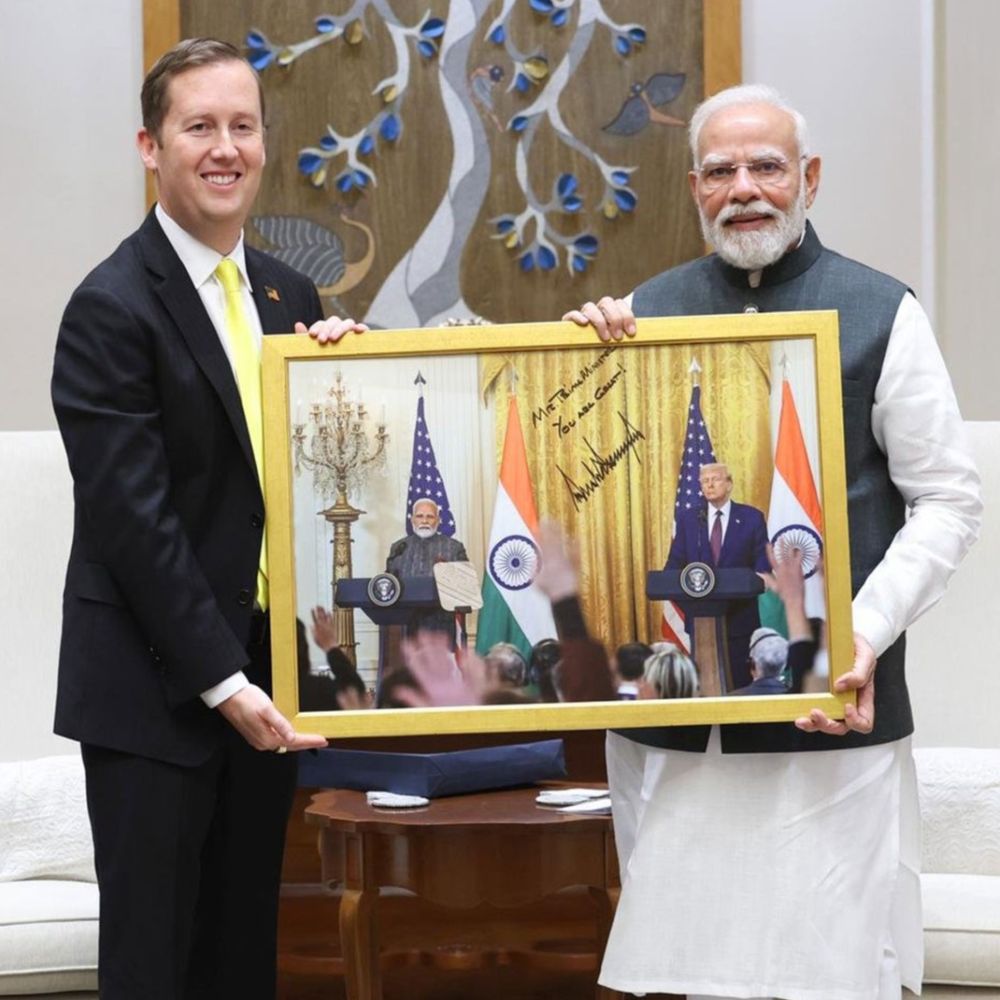
The sheer velocity of the announcement—coming on the heels of a direct, high-level call between PM Modi and the U.S. President—reaffirms that “personal chemistry” remains the most potent tool in the modern diplomatic arsenal. In an era of bureaucratic gridlock, the ability of two leaders to bypass traditional channels and strike a “strategic truce” highlights the premium placed on the bilateral bond. This top-down approach has effectively neutralized the protectionist lobbies in both capitals that were pushing for a further escalation of duties.
The Strategic “EU Factor”
Perhaps the most intriguing catalyst for this deal was India’s historic Free Trade Agreement (FTA) with the European Union, clinched just days prior to the U.S. announcement. By successfully diversifying toward the EU, India sent a clear signal to Washington: New Delhi has alternate mega-markets ready to absorb its goods. This “EU Factor” likely incentivized U.S. negotiators to secure their “slice of the pie” before European firms gained an unshakeable first-mover advantage in the Indian market.
A Balanced Optimism
The India-U.S. trade deal is not a finished masterpiece, but it is a masterstroke in de-escalation. We should view this development with the same “full glass” optimism that Modi championed in 2014. The “water” (the technical details and duty cuts) provides the immediate sustenance the economy needs, while the “air” (the strategic intent and future potential) provides the room for the relationship to breathe and expand. Moving forward, the challenge will be to ensure that these two elements are perfectly balanced, transforming a temporary truce into a sustainable, long-term economic partnership.



Awesome 👌