

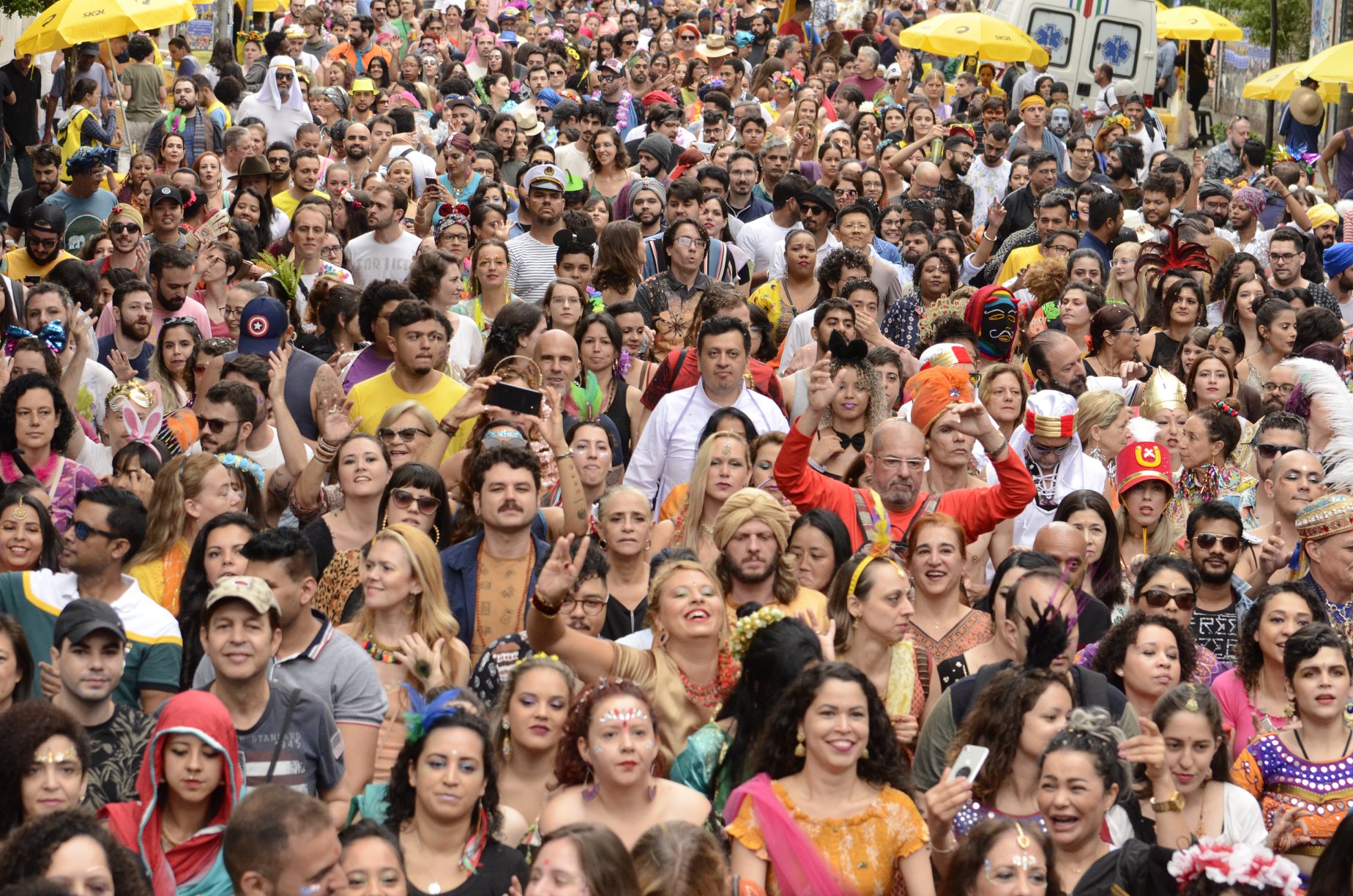
By bringing this celebration to São Paulo’s street carnival, Bloco Bollywood will transform the avenue into a space of cultural dialogue, where Brazilian drums meet Indian beats, Russian-inspired dance steps, and South African rhythms, reflecting the mutual influence between Bollywood and the musical traditions of BRICS nations
Our Bureau
Sao Paulo (Brazil)
São Paulo will be treated to a spectacle of colors, music, and dance on Saturday, February 7, 2025, when Rua Augusta is taken over by Bloco Bollywood, the street carnival of the Indian community in the city. In its 10th year, the bloco celebrates the spirit of BRICS, at a symbolic moment when Brazil held the group’s presidency in 2025 and India assumed the BRICS presidency in 2026.
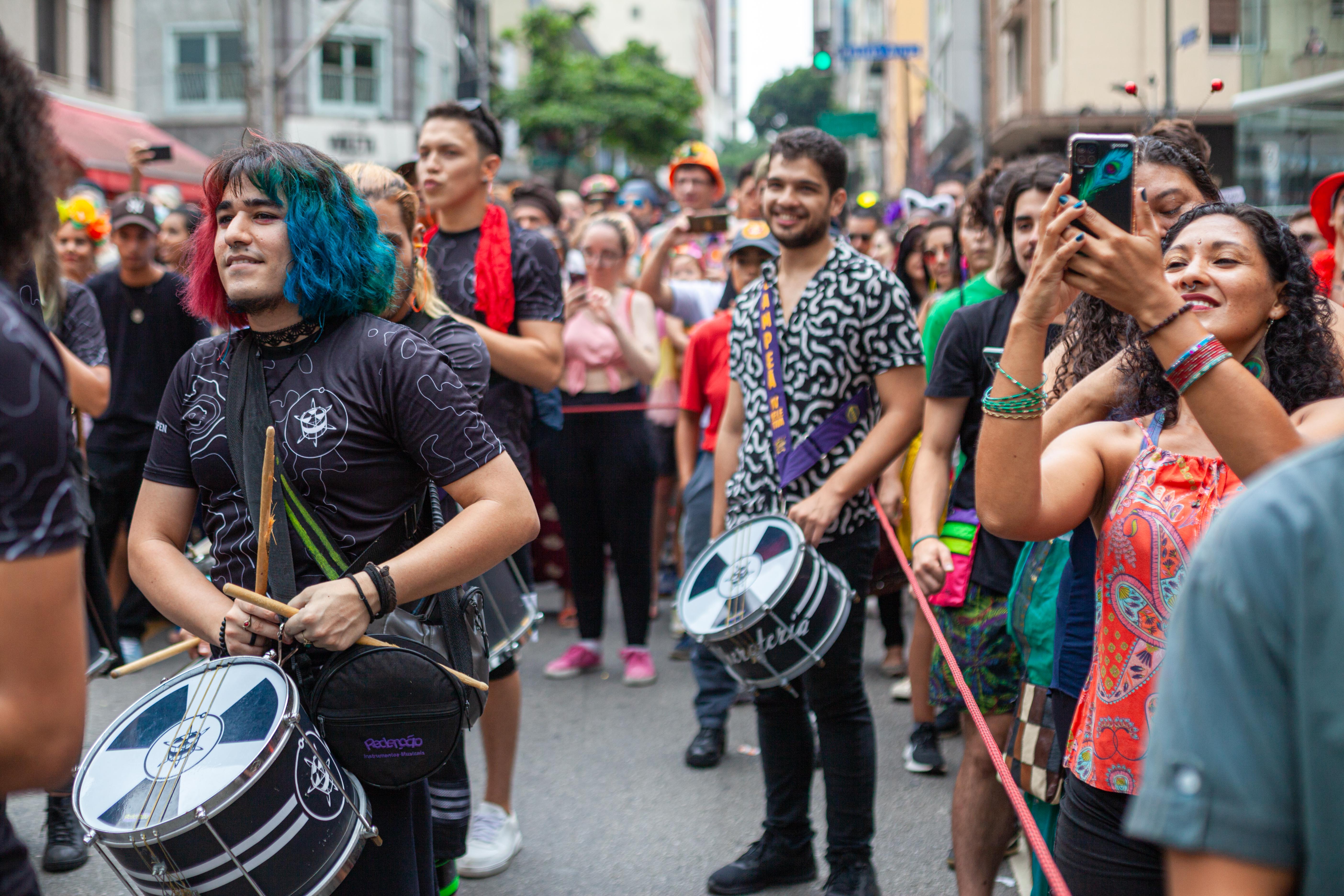
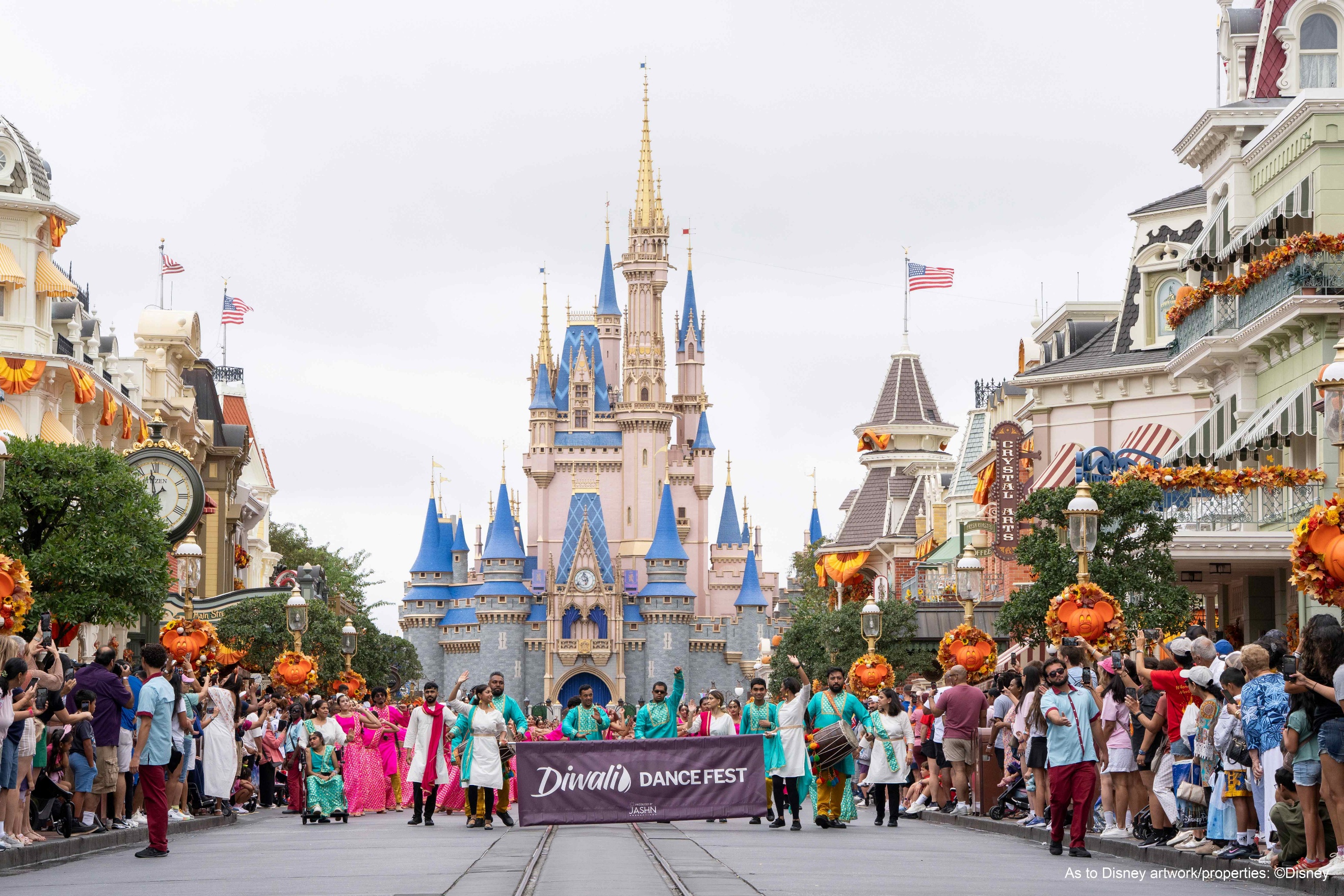
The parade highlights the cultural ties among BRICS countries, celebrating diversity, artistic exchange, and coexistence among peoples who share histories, challenges, and visions for the future. By bringing this celebration to São Paulo’s street carnival, Bloco Bollywood transforms the avenue into a space of cultural dialogue, where Brazilian drums meet Indian beats, Russian-inspired dance steps, and South African rhythms, reflecting the mutual influence between Bollywood and the musical traditions of BRICS nations. Over the decades, the world’s largest film industry has absorbed rhythms, instruments, and movements from across these cultures, while Bollywood’s music and aesthetics have, in turn, influenced artists, dancers, and audiences beyond India. This dynamic exchange is expressed in the parade’s repertoire, choreography, and energy, turning Rua Augusta into a vibrant, multicultural stage.
Created in 2016, Bloco Bollywood was born with the goal of bringing the Indian community closer to Brazil’s street carnival and introducing the richness of Indian culture to the local public. “We started this bloco to encourage the Indian community to take part in Brazil’s street carnival and to show the richness of our culture to Brazilian friends,” explains Shobhan Saxena, co-founder of the bloco alongside journalist Florência Costa. “With the enthusiastic participation of Brazilians, the bloco ended up becoming a natural blend of two cultures,” Costa adds.
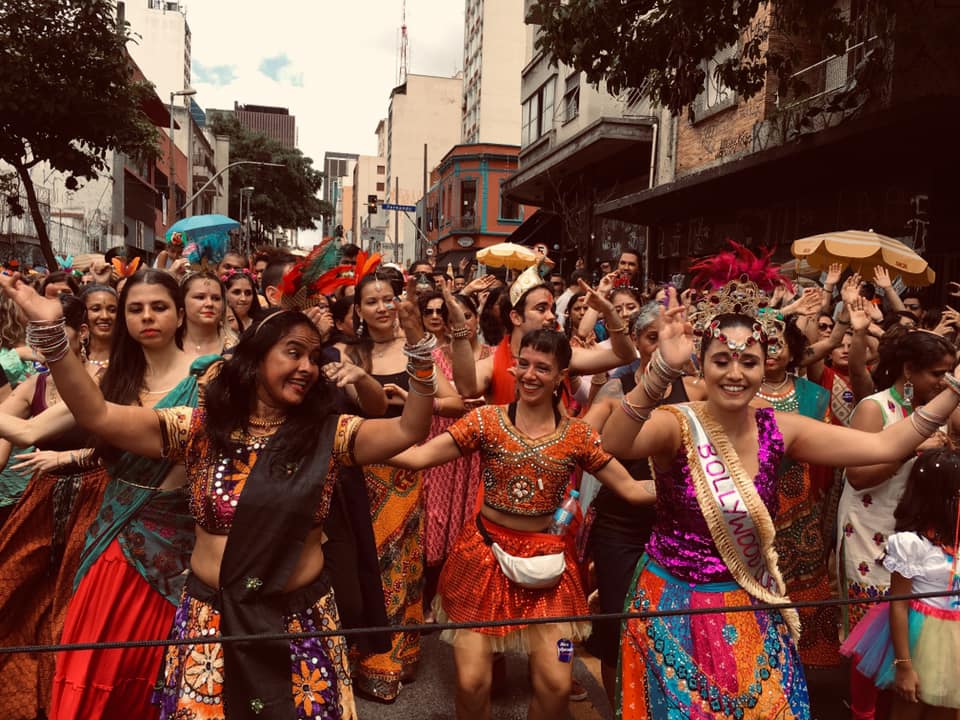
Dance is one of the great highlights of Bloco Bollywood and plays a central role in connecting with the audience. Brazilian Iara Ananda Romano has dedicated herself to Indian dance for more than 26 years, with training in classical styles such as Bharatanatyam, Kuchipudi, and Mohiniyattam, as well as Bollywood. Daughter of Patrícia Romano, a pioneer in introducing classical South Indian dances to Brazil, she is considered one of the leading exponents of Indian dance and Bollywood in Latin America. Iara was responsible for the opening of the TV Globo soap opera Caminho das Índias, taught workshops for Dança dos Famosos, and took part in major cultural events. Since the bloco’s first year, she has been affectionately called “Bollywood Queen” by the Indian community.
“Bloco Bollywood is a little piece of India that comes to life on the streets of São Paulo.
The beats of Indian music meet the Brazilian soul, creating a unique fusion.
On Rua Augusta, Indians and Brazilians dance together, like an open-air Bollywood movie.
Everyone is welcome: just follow the steps to understand that no one stands still.
Over these 10 years of the bloco, I feel honored to be part of this history since the very first parade, leading the dances from the top of the trio and as the Queen of the Bloco, a title given by the Indian community itself. May many more years of Bloco Bollywood come to the Carnival of São Paulo,” says Iara Ananda.
Another central figure in the parade is Disha Malani, a dance teacher and creator of the brand Feels Like India. “Bloco Bollywood was a milestone for the union of Brazilians and Indians in São Paulo. In a light and fun way, through carnival, this joining of the two cultures happened in just the right measure,” she says. According to her, one of the bloco’s key differentiators is the presence of dance teachers guiding the revelers: “We make the crowd dance to the rhythm of Indian music, with easy steps, so everyone feels like they’re in a Bollywood movie.” Daughter of an Indian father and a Brazilian mother, Disha promotes Indian culture through classes, performances, and the organization of themed events.
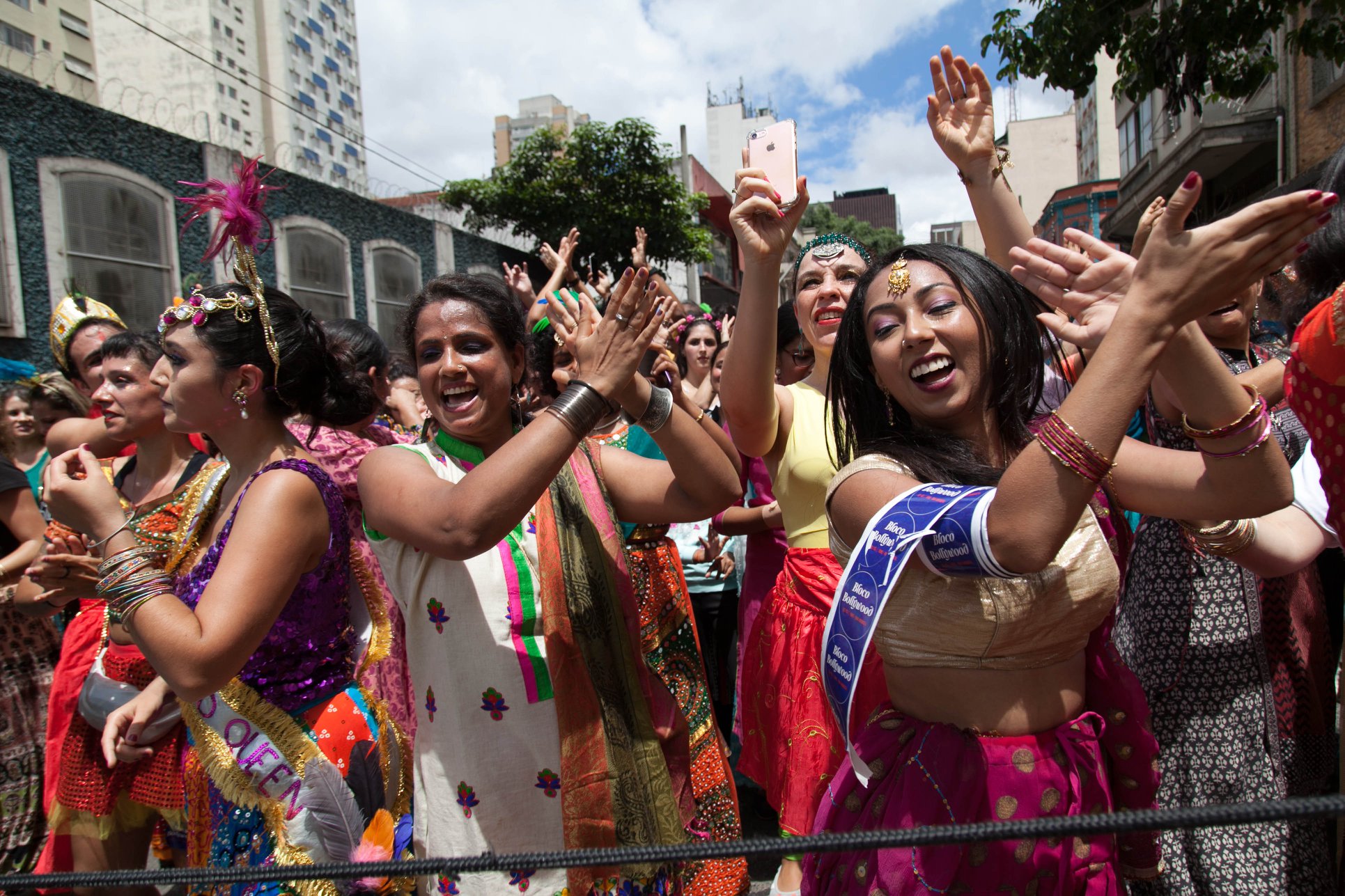
As a warm-up for the parade, Iara Ananda and Disha Malani led free Indian dance workshops on January 31 and February 2, preparing the public for the celebration and teaching the basic steps of Bollywood dances.
For Vijay Bavaskar, the bloco’s master of ceremonies and a hospitality entrepreneur in São Paulo, dance is the main link with the Brazilian audience. “Since the beginning of Bloco Bollywood, the biggest attraction for the Brazilian public has been Indian dance—so different, vibrant, and visually striking—along with the exuberant costumes. The bloco is a great example of a cultural encounter between two emerging countries with rich, vibrant, and colorful cultures,” he says.
Since 2017, Bloco Bollywood has also featured a Brazilian percussion group, Cherateria, formed by physics students from USP. This year, the group parades with 25 members, playing Indian rhythms with Brazilian instruments and also presenting a samba performance. The fusion of samba and bhangra was dubbed “sambra” by the organizers, a symbol of the cultural blend that defines the bloco.
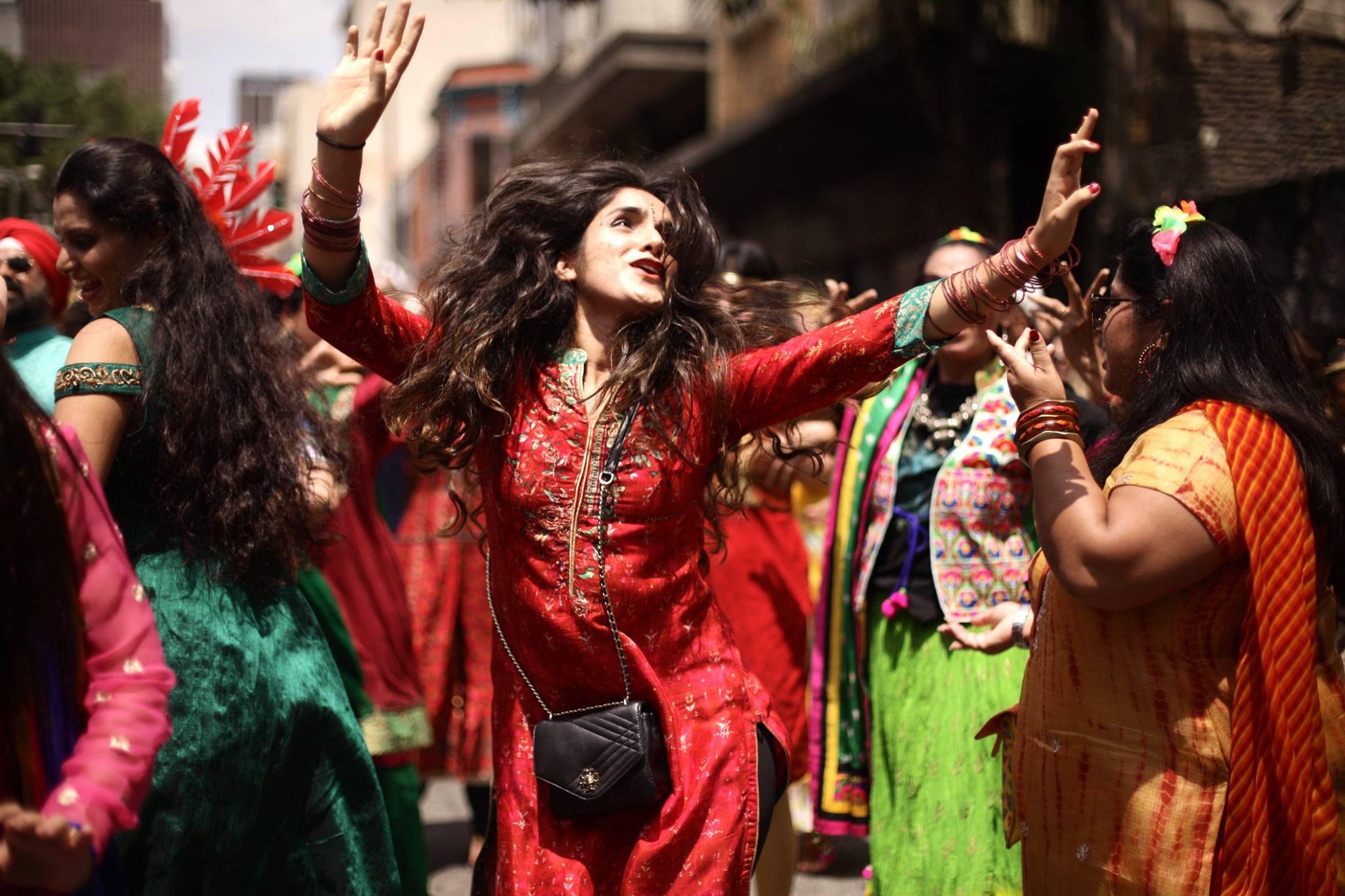
Responsible for producing the event, Juily Malani highlights Bloco Bollywood’s trajectory over a decade. “Created in 2016, Bloco Bollywood celebrates this year a decade of history as one of the most unique projects in São Paulo’s street carnival. Designed to bring Indian and Brazilian cultures closer together, the bloco blends music, dance, and percussion with the energy of Brazilian carnival, bringing together Brazilians, Indians, and revelers of all backgrounds in a unique spectacle of energy and joy through the streets of Rua Augusta,” she says.
Diversity is one of Bloco Bollywood’s hallmarks. In addition to Bollywood hits, the repertoire includes rhythms from different regions of India, such as Bhangra from Punjab and Garba from Gujarat, reinforcing the country’s cultural plurality and dialogue with other musical traditions of BRICS countries.
The bloco has already received international recognition. “An excellent example of the diverse and curious festivities of São Paulo’s carnival is Bloco Bollywood,” wrote the website Culture Trip when listing the city’s best carnival blocs. As it completes a decade of history, Bloco Bollywood consolidates itself as one of the most multicultural and symbolic events of São Paulo’s street carnival.
Date of the Bloco Bollywood parade: February 7, 2026, Saturday
Time and meeting point: 11:00 a.m., Rua Augusta, corner with Rua Matias Aires (São Paulo)
Instagram: Bloco Bollywood
https://www.instagram.com/blocobollywood/?hl=en
Facebook: Bloco Bollywood 2026 https://www.facebook.com/BlocoBollywood