

As President Donald Trump escalates tariff pressure on India and Brazil, the world’s largest emerging economies appear to be recalibrating ties — with Lula and Modi in direct talks, Putin planning a visit to India, and Modi heading to China for the first time in seven years
Our Bureau
New Delhi / Moscow / Beijing
The first week of August 2025 has brought a flurry of high-level diplomacy among the BRICS powers, triggered not by a shared economic boom, but by a shared grievance: the United States’ aggressive tariff policy under President Donald Trump. On July 30, Trump announced a 25% tariff on Indian goods. A week later, citing India’s continued import of Russian oil, he added another 25% — bringing the total to 50%, the same level already applied to Brazilian products. The move has placed India and Brazil at the top of the list of countries most affected by Washington’s new trade protectionism.
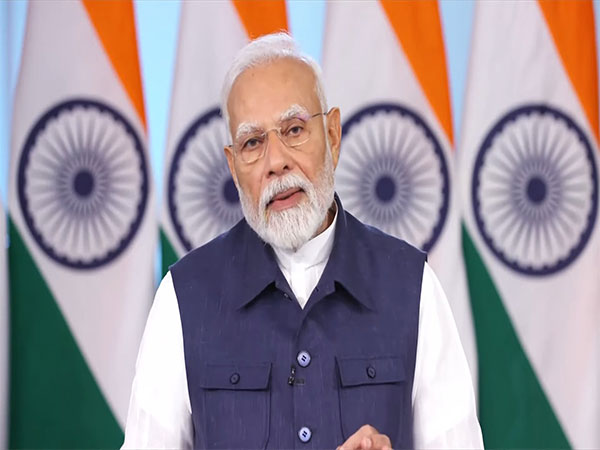
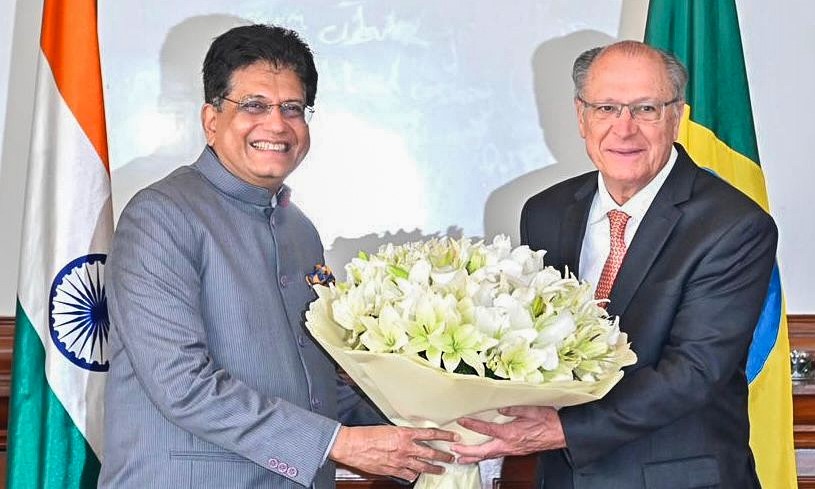
In this tense atmosphere, Brazilian President Luiz Inácio Lula da Silva and Indian Prime Minister Narendra Modi spoke for an hour by phone on August 7. According to the Brazilian presidential office, the tariffs — alongside other global economic issues — were a central topic. The two leaders reaffirmed their goal of pushing bilateral trade beyond USD 20 billion by 2030, agreed to expand the Mercosur–India agreement, and even exchanged insights on domestic real-time payment systems — Brazil’s PIX and India’s UPI — as symbols of shared innovation.
The symbolism was as important as the substance. Lula and Modi’s conversation signalled that the two largest democracies in the Global South are prepared to deepen coordination in the face of economic coercion from the United States. The timing is critical: Modi is preparing to visit China later this month for the first time in more than seven years, while New Delhi works to finalise a visit from Russian President Vladimir Putin.
The Tariff Shock and BRICS Unity
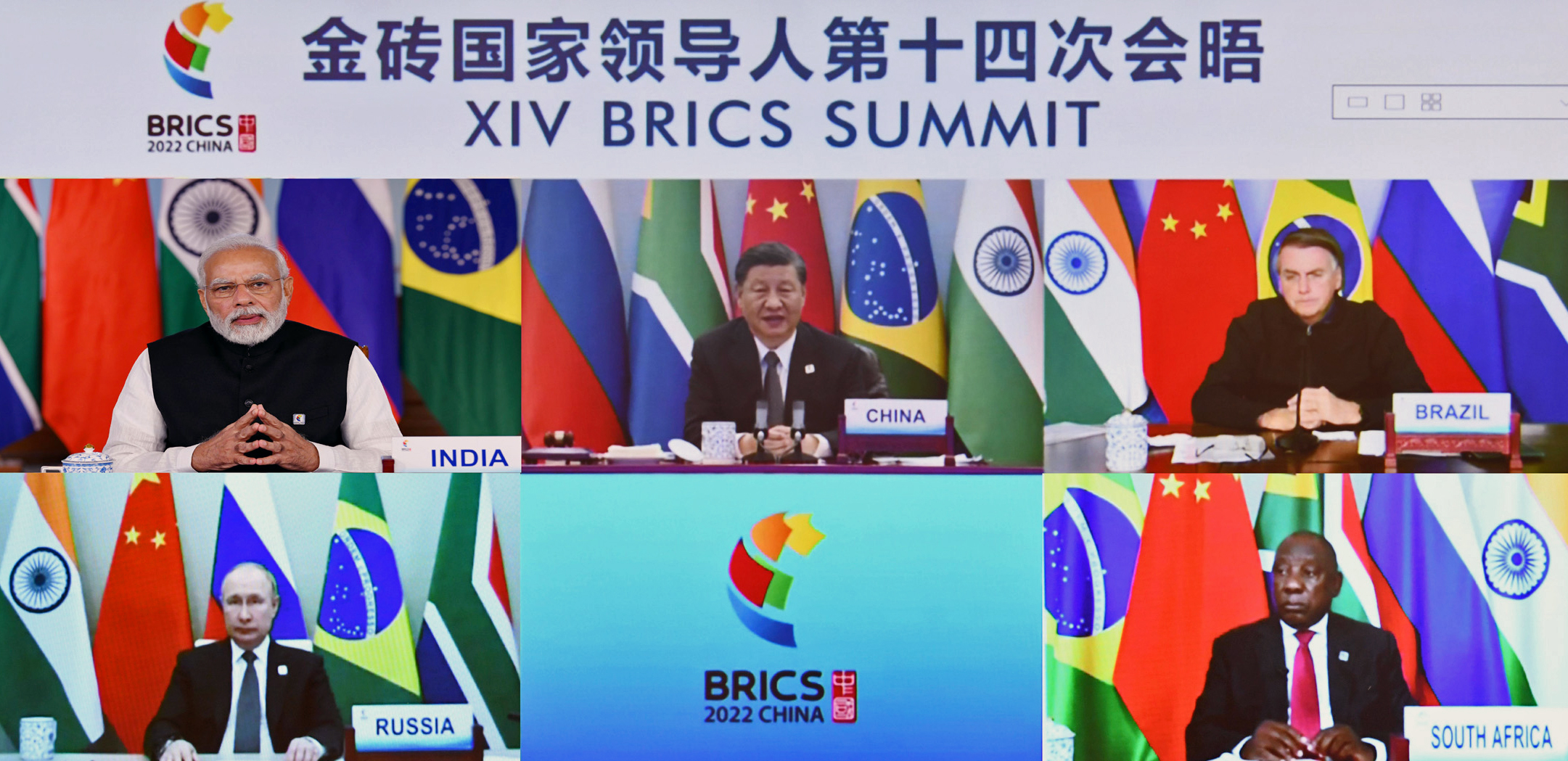
For both India and Brazil, Trump’s tariff hikes represent more than an economic setback — they are a political challenge that could reshape alignments within BRICS. The grouping, which also includes Russia, China, and South Africa, was already positioning itself as an alternative voice in global governance. Now, the U.S. measures risk pushing these countries into a tighter economic and strategic embrace.
China, itself no stranger to U.S. tariffs, quickly criticised Washington’s move against India as an “abuse of tariffs” and hinted that it, too, could be targeted. This rhetorical support from Beijing comes as Modi prepares to travel to Tianjin for the Shanghai Cooperation Organisation (SCO) summit beginning August 31. It will be his first visit to China since 2018, a period marked by the 2020 Himalayan border clash that froze high-level engagement for years. The meeting is expected to follow up on the tentative thaw achieved when Modi met Xi Jinping on the sidelines of a BRICS summit in Russia last October.
The Putin Factor
In parallel, India’s National Security Adviser Ajit Doval was in Moscow this week, meeting President Vladimir Putin and confirming that the dates for a Putin visit to India are “almost finalised.” The Kremlin trip will mark another high-profile BRICS leader-to-leader exchange, reinforcing the group’s intra-bloc diplomacy at a time of external pressure.
Doval’s Moscow agenda reportedly included discussions on India’s continued purchase of Russian oil — the very issue that triggered Washington’s second wave of tariffs — as well as accelerating pending defence deliveries, notably the S-400 air defence system. For Moscow, strengthening ties with India is vital as Western sanctions continue to squeeze its economy; for New Delhi, Russian energy and defence supplies are integral to its strategic autonomy.
Putin’s visit would follow Modi’s trip to Russia in July 2024, when both leaders praised their “time-tested” strategic partnership. The two sides maintain cooperation across a broad spectrum — political, defence, nuclear energy, space, culture — and are actively exploring new avenues despite Western pressure.
Modi’s China Gambit
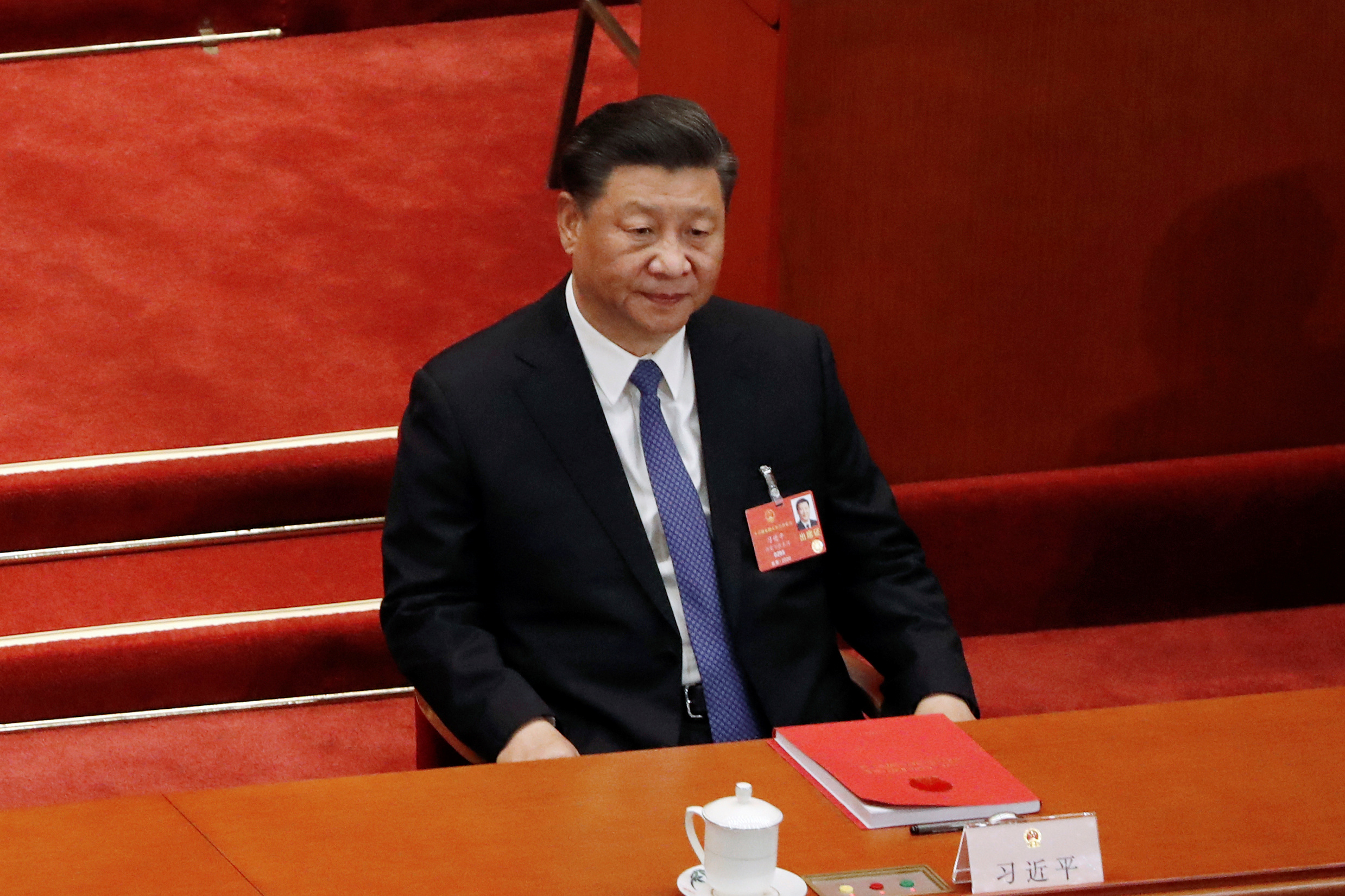
Modi’s upcoming trip to China is arguably the most striking diplomatic development in this sequence. The SCO summit offers him a multilateral platform, but the bilateral subtext is clear: India and China are seeking to thaw relations that have been frosty since the 2020 border clash. While major disputes remain unresolved, the prospect of greater economic coordination — particularly in the face of shared tariff threats from Washington — is driving a cautious rapprochement.
For Beijing, Modi’s visit is an opportunity to signal that China remains central to Asia’s diplomatic architecture, even for countries that have strategic differences. For India, engaging China while strengthening ties with Russia and Brazil broadens its manoeuvring space at a moment when its U.S. relationship is under strain.
The Lula–Modi Signal
Against this backdrop, the Lula–Modi conversation gains strategic weight. The two leaders are not only the political heads of their respective nations but also the voices of two continents within BRICS. Their call underscored a shared vision for South–South cooperation that blends trade expansion with technological exchange, defence coordination, and multilateral reform — including their long-standing campaign for permanent seats on the UN Security Council.
The agreement to expand the Mercosur–India trade pact and the plan for Vice President Geraldo Alckmin to visit India in October, accompanied by ministers and business leaders, point to a practical follow-through. The agenda will cover trade, defence, energy, critical minerals, health, and digital inclusion — all sectors where both countries can gain by pooling resources and reducing dependence on Western markets.
The Trump Doctrine and Its Risks
Trump’s tariff policy is framed in Washington as a matter of national security, particularly regarding energy purchases from Russia. White House trade adviser Peter Navarro bluntly accused India of “abject refusal” to stop buying Russian oil. But by singling out India and Brazil while leaving other major buyers, like China and Türkiye, untouched, the U.S. risks fostering a perception of selective punishment — and thereby encouraging solidarity among the targeted states.
For BRICS, this creates a political opportunity. The bloc can present itself as a collective shield against what it sees as arbitrary economic measures, and as an advocate for reforming global trade rules to protect the sovereignty of emerging economies.
Toward a Coordinated Response?
While it is premature to predict a formal BRICS response to Trump’s tariffs, the diplomatic choreography of the past week hints at a converging strategy. Modi’s talks with Lula, his upcoming visit to China, Doval’s discussions with Putin, and the expected Putin visit to India are all part of a dense web of leader-level engagements that could culminate in a more united BRICS economic front.
If such coordination materialises, it might take the form of expanded intra-BRICS trade agreements, local currency settlements to bypass the dollar, joint infrastructure projects, and coordinated positions in the WTO and G20. Brazil and India’s interest in digital payment systems, as shown in the PIX–UPI exchange, also opens the door for fintech collaboration that reduces transaction costs and dependency on Western financial systems.
Conclusion: A Pivotal Month for BRICS
The coming weeks will test whether the current wave of U.S. tariffs becomes a catalyst for deeper BRICS integration or merely another irritant in already complex international relations. Modi’s dual engagement with Russia and China, Lula’s outreach to India, and Beijing’s criticism of U.S. trade policy suggest a moment of rare alignment in the group’s political calendars.
Trump has warned that more penalties could follow if BRICS members “align themselves with anti-American policies.” But the risk for Washington is that such pressure could accelerate precisely that alignment — knitting together a bloc of major economies that collectively represent a substantial share of global GDP, population, and natural resources.
As the SCO summit in Tianjin approaches, and with Putin’s India visit on the horizon, BRICS may be on the verge of its most significant strategic convergence since its inception. The Lula–Modi call, seemingly routine in diplomatic terms, could, in hindsight, be remembered as one of the early markers of this shift — a sign that the Global South’s largest democracies are prepared to stand together, and with their partners, against the tides of unilateral economic coercion.