

With Sitaare Zameen Par breaking records in theatres, Aamir Khan is rewriting Bollywood’s distribution playbook — skipping OTT giants and betting on YouTube’s pay-per-view model to take cinema into every home and village
Our Bureau
Mumbai
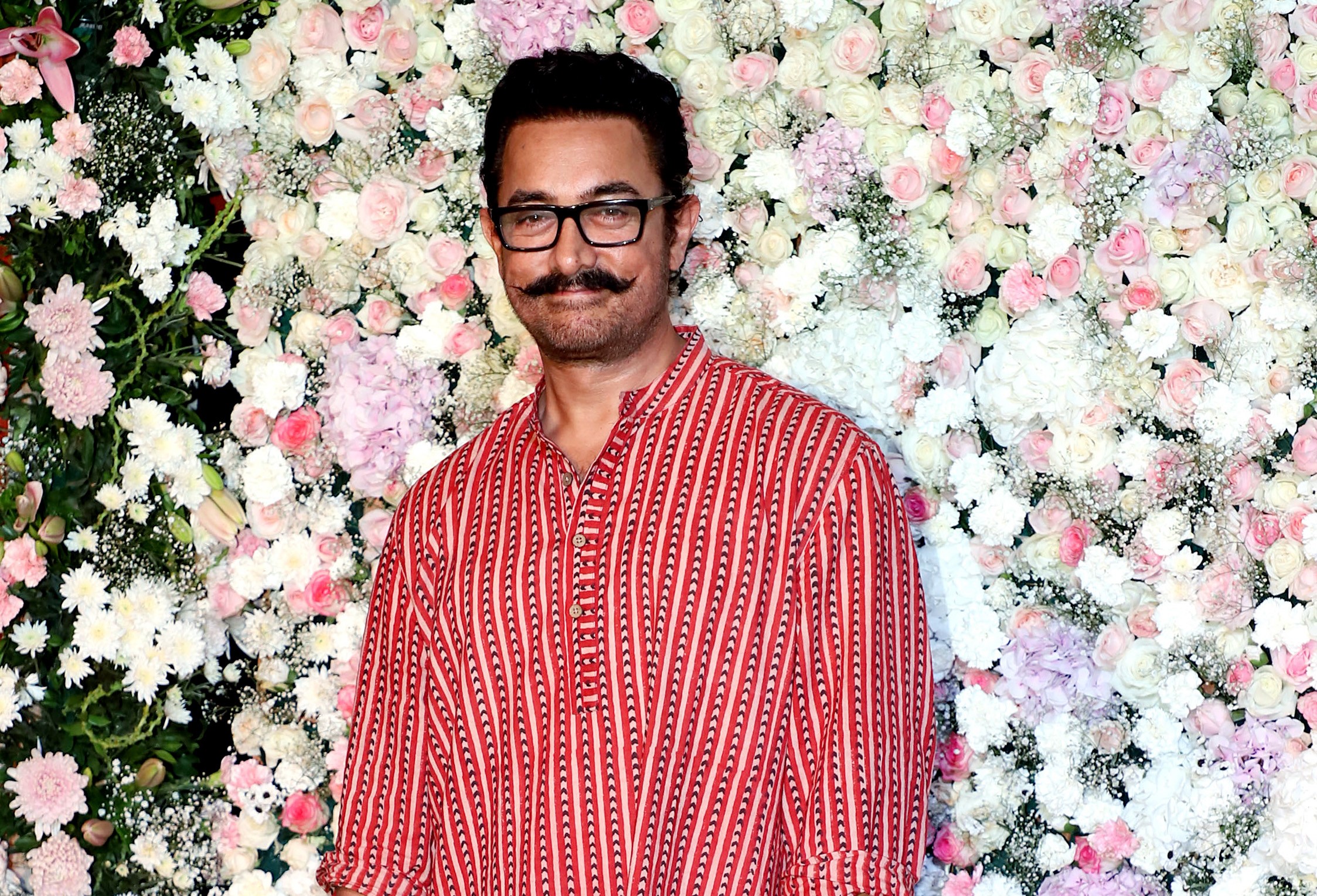
For decades, Bollywood has followed a familiar script: theatrical release, a few months of waiting, and then an OTT premiere on one of the major streaming platforms. But Aamir Khan, never one to stick to industry norms, has decided to tear up that script. His latest film, Sitaare Zameen Par, a sports drama and sequel to his beloved Taare Zameen Par, is now set to make its digital debut — not on Netflix, Amazon Prime, or Disney+ Hotstar — but on YouTube Movies, under a pay-per-view model.
The film is available from August 1 at ₹100 in India and in 38 other countries at locally tailored prices. The model is simple: anyone with a YouTube account and internet access can watch it, whether on a smartphone in Mumbai or a smart TV in a small-town home in Bihar. For Aamir, it’s about dismantling barriers to access. “Think about it,” he told reporters. “If a family of four watches the film for ₹100, that’s ₹25 per person. You can even invite your neighbours. You can show it to the whole village — ₹1 per person.”
A Break from OTT
Khan has been candid about why he avoided the OTT route. “I never liked that model. I never understood it,” he admitted. Streaming platforms have their global reach, but they also come with exclusivity clauses, high subscription costs, and algorithms that decide what people see. Aamir wanted something different — a platform already in everyone’s pocket. “We have YouTube. It’s preloaded on devices, people already use it. The internet penetration in India is deepening every day, UPI payments have made transactions easy, and now is the right time to expand our cinema to the entire country.”
By making Sitaare Zameen Par available on-demand on YouTube, he believes he can reach audiences that multiplexes and OTT platforms cannot — the 97% of India’s population who never set foot in a cinema hall, often because there isn’t one nearby. “India has about 8,500 to 9,000 screens, half in the southern states. For Hindi films, there are roughly 4,500. Compare that to America’s 35,000 screens or China’s 90,000. We have too few theatres. This is a way to reach villages and homes directly.”
The Film and Its Appeal
Directed by Prasanna, Sitaare Zameen Par follows Aamir as a basketball coach training neurodivergent children — a heartwarming continuation of the themes of empathy and inclusion that made Taare Zameen Par an enduring classic. Co-starring Genelia Deshmukh, the film released in theatres on June 20 and quickly became a box-office hit, resonating with audiences in India and overseas.
The film’s universal themes have helped it travel far beyond the Hindi-speaking belt. Subtitled and dubbed versions are being rolled out in multiple languages for its YouTube release, targeting not just domestic audiences but also viewers in the US, UK, Australia, and 35 other countries. The theatrical run has already sparked positive reviews from diaspora communities, who now have an easier, more affordable way to share the film with friends and family abroad.
Aamir’s strategy also aims to tackle one of Bollywood’s biggest headaches: piracy. The pay-per-view model, he argues, offers a legitimate, affordable alternative that undercuts pirate sites. “We have appointed anti-piracy teams to remove pirated links, but making films available legally at low prices may help reduce piracy. It gives hope to creative people,” he said.
A Model for the Future?
Aamir isn’t just releasing Sitaare Zameen Par this way; he’s thinking long-term. His vision is to use the YouTube pay-per-view model for future projects and even open it up to other creators, with some content offered for free and other work priced affordably. “Cinema at home, on your time, with your friends or your village — that’s the convenience I’m offering,” he explained.
It’s a move that could ripple through the industry. For years, Bollywood has struggled with the limited reach of theatres and the exclusivity of OTT. If Aamir’s gamble works — combining theatrical prestige with direct, affordable online access — it might become a viable middle path for films that deserve a broad audience without being locked behind subscription paywalls.
The success of Sitaare Zameen Par abroad is already encouraging. Diaspora audiences often face delays or inflated ticket prices for Indian films; YouTube’s model removes those hurdles. In the US, UK, and Australia, where Indian communities are both large and internet-savvy, the film’s August 1 release is expected to generate strong viewership.
With Sitaare Zameen Par, Aamir Khan isn’t just telling a story about underdogs overcoming the odds; he’s also acting out that narrative in real life — challenging entrenched industry models, betting on accessibility over exclusivity, and inviting the whole country, from city skyscrapers to the smallest villages, to join him in the front row.