








Our Bureau
Mumbai
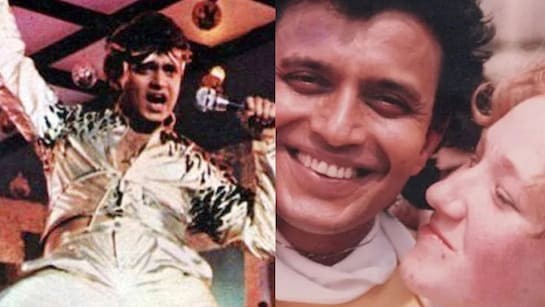
Mithun Chakraborty’s 1982 Bollywood hit Disco Dancer exploded in the Soviet Union upon its 1984 release, becoming the year’s top box-office success, the decade’s fourth biggest earner, and one of the top 25 highest-grossing films in Soviet history. The rags-to-riches tale of street singer Jimmy, played by Mithun, sold an estimated 120 million tickets there, grossing $75 million (about $198 million adjusted for inflation), outpacing Hollywood amid Cold War restrictions on Western culture.
The film’s infectious disco soundtrack by Bappi Lahiri, especially “Jimmy Jimmy Aaja Aaja,” ignited a nationwide frenzy, blasting from radios, weddings, and streets as Soviet fans embraced it like their own anthem. Mithun’s flamboyant dances and charisma offered escapist vibrancy against socialist realism’s drabness, turning him into an icon—fans flooded magazines with letters, and even leader Mikhail Gorbachev told India’s Rajiv Gandhi his daughter preferred Mithun over Amitabh Bachchan. Cinemas overflowed, with viewers using ladders for standing room, cementing Bollywood’s unique foothold where American pop was suspect.
This triumph bridged cultures during tense geopolitics, with Disco Dancer‘s simple narrative and rhythm providing relief from shortages and ideology. Mithun met adoring crowds in Russia during the 1980s, solidifying his legend.
Decades on, the craze endures—Russians from youth to elders hum “Jimmy Jimmy,” linking to ongoing India-Russia ties seen in President Vladimir Putin’s recent Delhi summit with PM Modi. Modern hits like Pathaan tracks echo this legacy via social media, proving Bollywood’s lasting Russian appeal.