








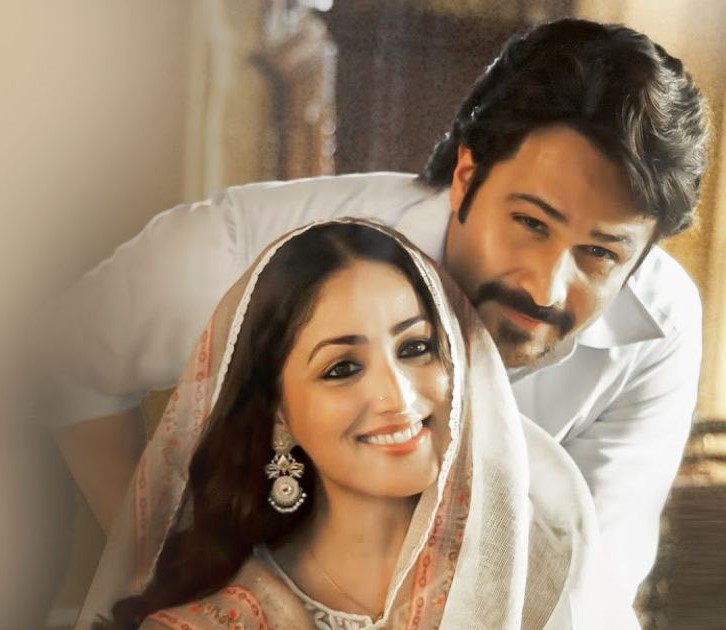
Suparn S Varma’s Haq isn’t just another courtroom drama—it is a searing, emotionally charged cinematic experience built on long monologues, bold performances, and a story rooted in one of India’s most defining legal battles
Our Bureau
Mumbai
When Haq released in theatres on November 7, it arrived with little noise but fast turned into a nationwide conversation. Starring Yami Gautam and Emraan Hashmi, the film has gripped audiences with the kind of intensity that Hindi cinema rarely attempts anymore—a 30-minute climax constructed entirely around two actors speaking uninterrupted truth to power. The film, produced by Junglee Pictures under the leadership of Times Group MD Vineet Jain, is now being hailed as one of the year’s most compelling dramas, fuelled by its fearless performances and a script anchored in the historic Shah Bano case.
The Shah Bano judgment of 1985 shook India’s legal and political landscape. In 1978, a 62-year-old Muslim woman, Shah Bano, petitioned the courts for maintenance after being divorced by her husband, leading to a Supreme Court ruling that upheld her right under Section 125 of the CrPC. The verdict became a flashpoint for debates on women’s rights, personal laws and secular governance. Haq brings this history back to life, crafting its protagonist Shazia Bano (Yami Gautam) as a fictionalised echo of Shah Bano—determined, relentless and unwilling to be silenced.
Director Suparn Varma knew the film’s beating heart lay in its final half hour. Speaking to ANI, he revealed that the climactic monologues—11 minutes for Hashmi and 7 minutes for Yami—were shot in single takes. “Every word mattered. Every beat mattered. The entire film builds up to that moment,” he said, describing the set on that day as electric, with multiple cameras rolling and a crew bracing for a high-wire act. The actors delivered flawlessly, earning applause from the team and, eventually, roaring approval from audiences nationwide.
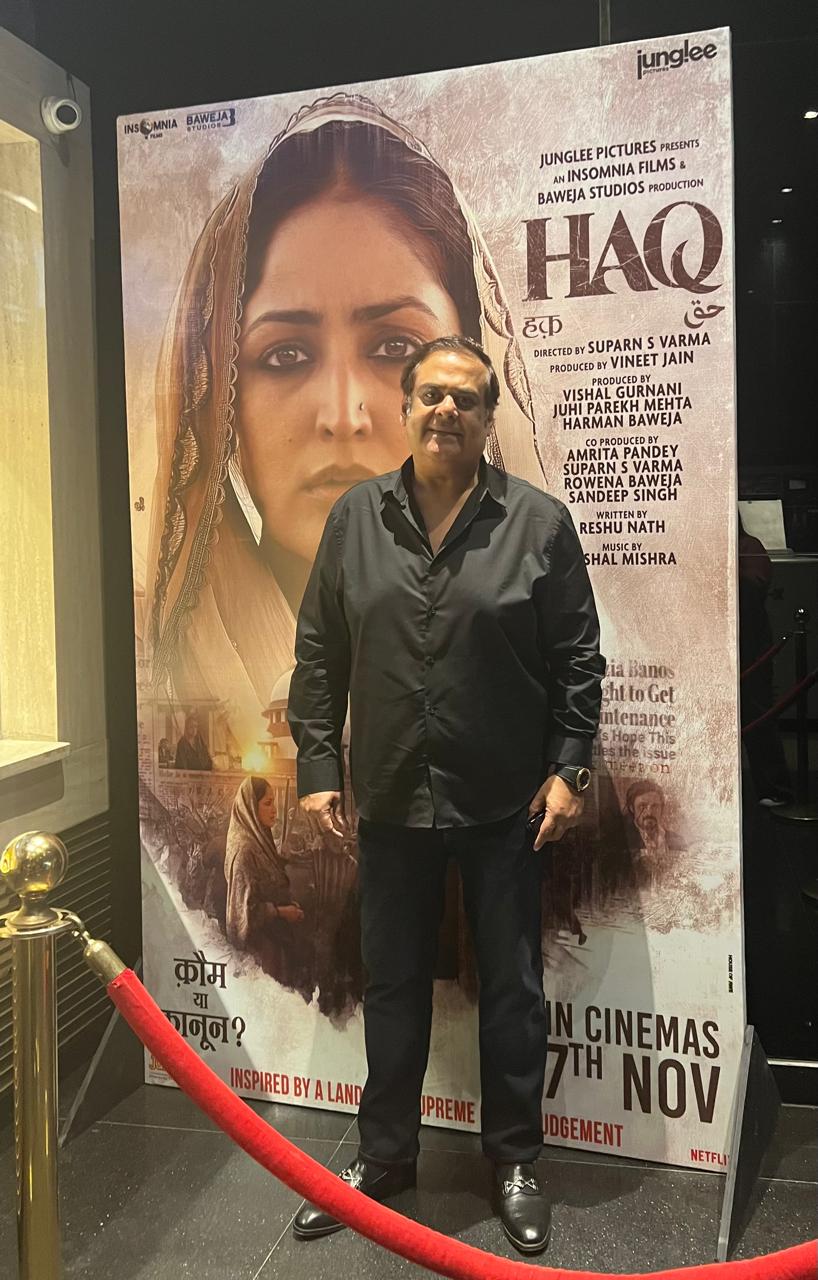
While the film’s emotional engine is powered by Yami and Emraan, Haq boasts a strong ensemble, each adding texture and weight. Among the standout performances is Rahul Mittra’s portrayal of Sessions Judge R.N. Tripathi—a calm, commanding presence who grounds the courtroom drama. Mittra, known for producing acclaimed films like Saheb Biwi Aur Gangster, Revolver Rani and Sarkar 3, has been receiving widespread praise for his nuanced performance. Critics, including Taran Adarsh, have called his act “exceptional,” while ABP News highlighted the rare authenticity he brings to the judge’s chair. Femina has even named him one of the top five characters to watch out for in Haq.
The film also marks the impressive debut of Femina Miss India winner Vartika Singh, whose performance has struck a chord with viewers. Emotional and overwhelmed, Vartika told ANI that the response feels “unreal” and serves as motivation for her future work. She counts Manoj Bajpayee, Nawazuddin Siddiqui, and Shah Rukh Khan among her inspirations, and hopes to share screen space with Ranbir Kapoor and Vicky Kaushal someday.
Much of the film’s success stems from Varma’s casting instincts. Yami joined the project even before the screenplay was locked, while Emraan Hashmi came aboard after an intense reading that convinced him the script held all the answers. Varma recalls telling Hashmi simply, “Trust me.” The actor did—and delivered one of the most powerful performances of his career, balancing his dual roles as Shazia’s estranged husband Abbas and her courtroom rival.
Box office numbers reflect the buzz. The film saw significant growth over its opening weekend, with word of mouth driving audiences to theatres. Varma says he has been moved by standing ovations, emotional reactions and the overwhelming warmth coming his way. “It’s like a once-in-a-lifetime experience,” he says.
At its core, Haq is more than a legal drama—it is a mirror held up to a society still grappling with gender, justice and identity. By blending history with cinematic craft, and by trusting actors to carry long, uninterrupted stretches of truth-telling, the film brings gravity back to mainstream Hindi cinema.
Bollywood often struggles to balance entertainment with substance. With Haq, Suparn Varma proves that when filmmaking is driven by conviction, audiences respond with equal passion.