








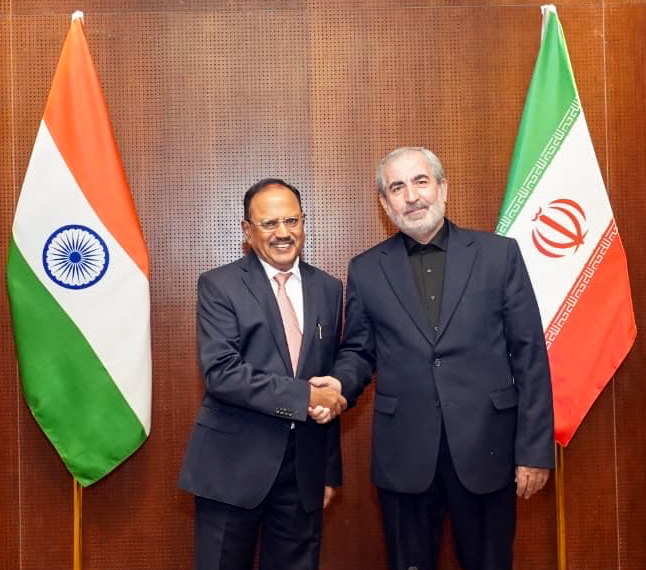
An emerging US-Iran understanding could reopen energy, trade and strategic opportunities for New Delhi
Our Bureau
New Delhi / Tehran / Washington, DC
As signs of a diplomatic thaw emerge between the United States and Iran, India is quietly positioning itself to revive one of its most important strategic partnerships in West Asia. The visit of Iranian Petroleum Minister Mohsen Paknejad to New Delhi this week, his meetings with senior Indian ministers and Iran’s renewed call for expanded economic cooperation have fuelled expectations that New Delhi could soon regain access to a major source of affordable energy while broadening trade and connectivity across the region.
While the proposed US-Iran peace framework remains under negotiation, Indian policymakers and industry are already assessing the opportunities that could emerge if sanctions are eased. For India—the world’s third-largest oil importer—the stakes are significant. Before US sanctions sharply curtailed purchases in 2019, Iran ranked among India’s largest crude suppliers, offering not only competitive prices but also favourable payment terms and lower freight costs.
The prospect of Iran returning fully to international energy markets comes at a time when India is pursuing greater energy security, diversified supply chains and stronger economic partnerships through platforms such as BRICS.
Energy security gets a boost
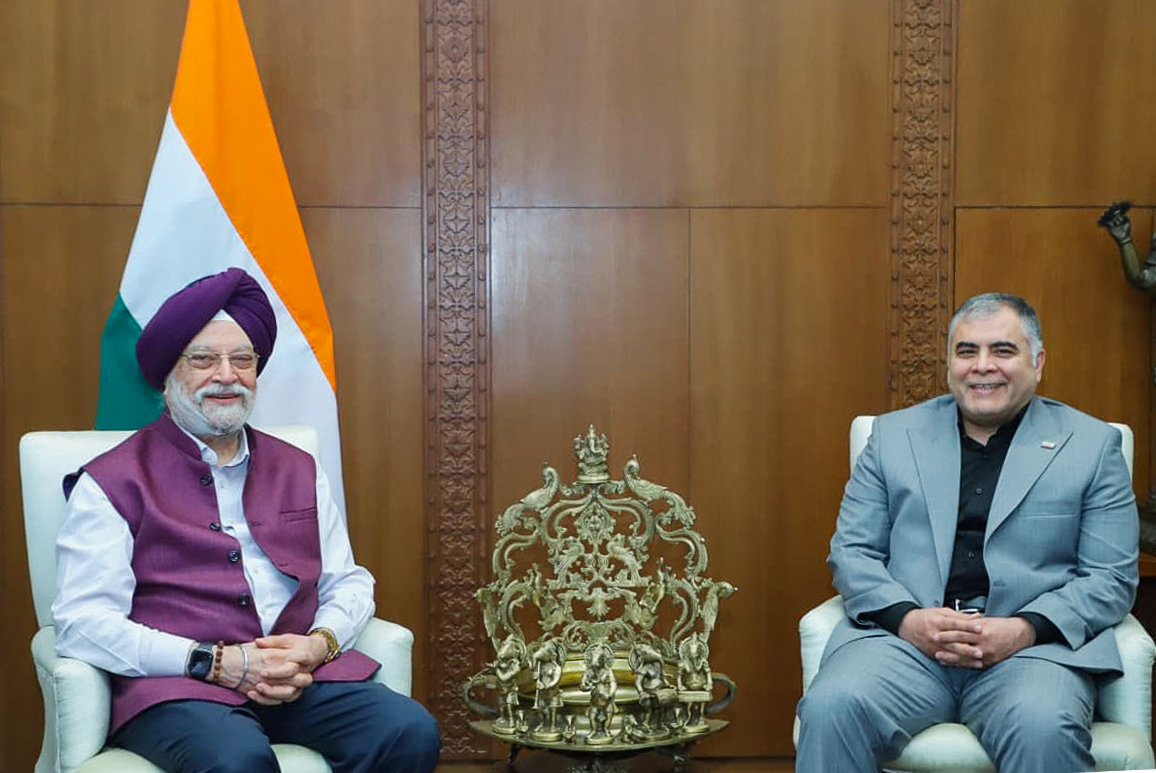
Iranian Petroleum Minister Mohsen Paknejad met Union Petroleum and Natural Gas Minister Hardeep Singh Puri on Thursday, with both leaders discussing ways to enhance cooperation in the hydrocarbon sector. Paknejad’s visit comes as India hosts the 11th BRICS Energy Ministers’ Meeting under its 2026 chairmanship. Speaking after arriving in New Delhi, Paknejad underscored the historical relationship between the two countries. “As you know, we have had historical relations between Iran and India for a long time, for centuries,” he said. “We are now ready for all the relations we can have in economic fields with India, especially in India.”
The Iranian minister also indicated that Tehran is operating under a temporary sanctions waiver. “About the sanctions, as you know, we have a kind of waiver for 60 days and we are going on based on some issues that we have had agreed with Americans in this regard,” Paknejad said.
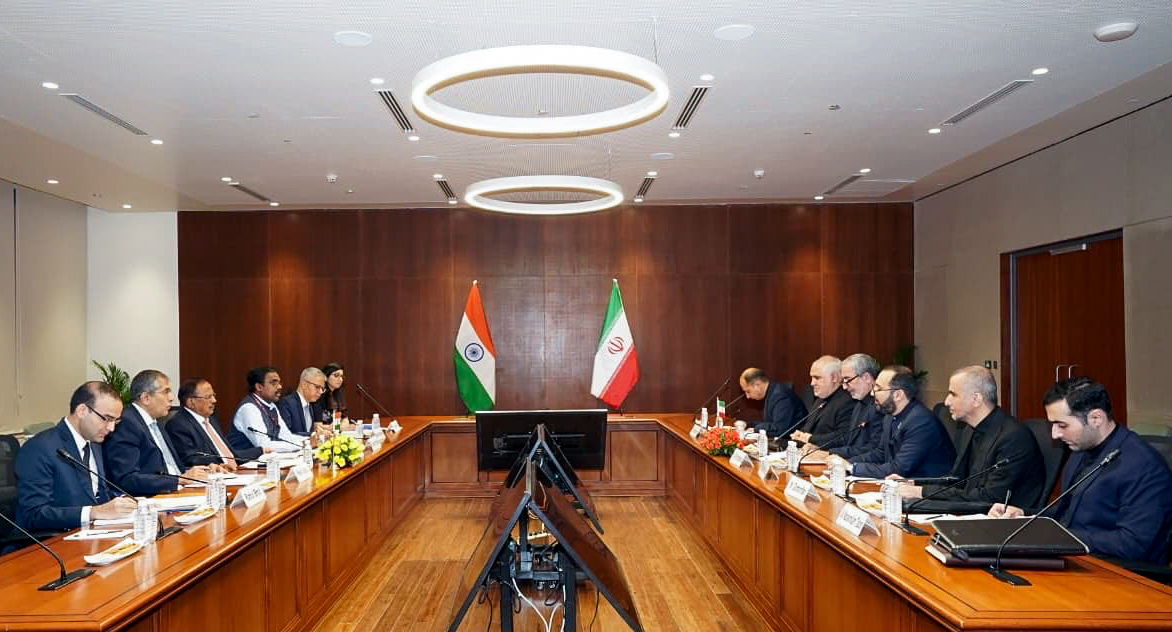
Although no formal announcement has been made regarding the resumption of Indian crude imports, the timing of the visit is notable. It follows reports of progress in negotiations between Washington and Tehran aimed at reducing tensions and establishing a roadmap toward a broader agreement.
For India, even the possibility of Iranian oil returning to global markets offers strategic flexibility.
Affordable oil could help the economy
India imports nearly 85 per cent of its crude oil requirements, making international energy prices one of the biggest determinants of inflation, fiscal stability and economic growth. Iranian crude has traditionally been attractive because of several advantages. First, the geographical proximity reduces shipping costs compared with suppliers in Latin America or North America.
Second, Iran historically extended generous credit terms to Indian refiners, allowing purchases on deferred payment schedules. Third, Iranian crude is technically well suited for several Indian refineries, reducing adjustment costs. If sanctions are eventually relaxed, Indian refiners such as Indian Oil Corporation, Mangalore Refinery and Petrochemicals Ltd (MRPL), Bharat Petroleum and Hindustan Petroleum could once again diversify their sourcing.
Greater competition among suppliers would also strengthen India’s bargaining position with other oil exporters including Saudi Arabia, Iraq and the United Arab Emirates. Lower import costs would ease pressure on India’s current account deficit while helping moderate domestic fuel prices.
Cheaper energy would also benefit manufacturing, transportation, aviation, fertiliser production and power generation, supporting the government’s broader economic growth agenda.
Strategic diversification
Since sanctions halted Iranian imports in 2019, India has relied more heavily on suppliers such as Iraq, Saudi Arabia, Russia and the UAE. Russia emerged as India’s largest supplier following the Ukraine conflict, offering discounted crude that significantly reduced India’s import bill. However, policymakers have consistently argued that diversification—not dependence on any single supplier—is the cornerstone of India’s energy security.
A reopened Iranian market would further strengthen that strategy. India would gain another major supplier capable of providing substantial volumes while increasing flexibility during global supply disruptions.
Energy analysts note that diversified sourcing also improves resilience against geopolitical shocks, shipping disruptions or price spikes affecting individual producers.
Beyond oil: broader economic cooperation
Paknejad’s visit was not limited to hydrocarbons.During meetings in New Delhi, both countries discussed expanding bilateral investment and exploring wider economic opportunities. Iran has repeatedly signalled its willingness to deepen commercial engagement with India. Paknejad said discussions would cover bilateral issues as well as broader cooperation in economic sectors.
The Iranian Embassy also said the minister met Union Minister Manohar Lal on the sidelines of the BRICS Energy Ministers’ Meeting, with both sides emphasising expanding bilateral cooperation in the energy sector.
The renewed diplomatic engagement extends beyond energy. Iranian representative Mojtaba Khazaei recently participated in the First BRICS MSME Forum in Agra, where member countries discussed strengthening small business ecosystems, expanding trade cooperation and sharing policy experiences. Such exchanges suggest both countries are preparing for broader commercial engagement should international conditions permit.
Potential sectors include petrochemicals, fertilisers, pharmaceuticals, engineering goods, information technology, agriculture and infrastructure. India has long viewed Iran as a gateway to Central Asia, while Tehran sees India as one of Asia’s fastest-growing major economies and an important long-term investment partner.
Reduced strategic leverage for Pakistan
Perhaps the most significant strategic dividend would involve connectivity. India has invested heavily in Iran’s Chabahar Port, which provides access to Afghanistan and Central Asia while bypassing Pakistan. The project has faced repeated uncertainty because of sanctions and regional tensions.
A stable diplomatic environment could accelerate development of Chabahar and improve integration with the International North-South Transport Corridor (INSTC), linking India with Iran, the Caucasus, Russia and Europe. For Indian exporters, improved connectivity would reduce logistics costs while opening new markets across Eurasia.
The corridor also offers an alternative to routes dominated by Pakistan or affected by instability elsewhere in the region.
A more stable US-Iran relationship could also reshape regional geopolitics in ways favourable to India. For decades, Pakistan has benefited strategically from its geography as an important transit route linking South Asia, Afghanistan and parts of West Asia. Greater utilisation of Iranian transport corridors—especially Chabahar—reduces India’s dependence on Pakistani territory for regional connectivity.
Additionally, closer India-Iran ties could create new economic partnerships independent of Pakistan’s regional influence. While Islamabad is also seeking stronger relations with Tehran, India’s larger economy and energy requirements provide a broader foundation for long-term cooperation.
BRICS provides another platform
The diplomatic engagement also reflects the growing importance of BRICS. India’s 2026 BRICS presidency has adopted the theme “Building for Resilience, Innovation, Cooperation and Sustainability,” while the Energy Track focuses on “Energy for All.”
The grouping now comprises 11 members—Brazil, Russia, India, China, South Africa, Saudi Arabia, the UAE, Egypt, Ethiopia, Indonesia and Iran—representing nearly half the world’s population and around 40 per cent of global GDP. For India, BRICS provides an important multilateral forum where cooperation with Iran can continue even amid evolving geopolitical dynamics.
Energy security remains one of the organisation’s highest priorities, and Iran’s vast oil and gas reserves make it a significant participant. Paknejad also addressed the BRICS Energy Ministers’ Meeting, outlining Iran’s positions on key challenges facing the global energy sector.
Balancing diplomacy
New Delhi, however, is likely to proceed cautiously. India has carefully balanced its relations with Iran, the United States, Israel and the Gulf Arab states over the past decade. Washington remains India’s most important strategic partner in areas ranging from defence and technology to trade and the Indo-Pacific.
At the same time, Iran occupies an important place in India’s regional strategy because of geography, energy resources and connectivity. Indian diplomacy has consistently sought to maintain constructive relations with all sides while avoiding zero-sum choices. If sanctions are eased through a negotiated settlement, New Delhi would gain greater room to expand cooperation with Tehran without jeopardising its broader strategic partnerships.
The emerging diplomatic opening does not guarantee immediate changes. Any long-term agreement between Washington and Tehran would still require implementation, verification and political support in both countries.
For India, the potential benefits extend well beyond oil. Affordable energy, diversified imports, improved connectivity, stronger trade, enhanced regional access and reduced dependence on routes influenced by Pakistan together represent a strategic opportunity that New Delhi has not enjoyed for several years.
If the current diplomatic momentum translates into a lasting US-Iran agreement, India could emerge as one of its biggest economic beneficiaries—strengthening both its energy security and its long-term geopolitical position across West Asia and Eurasia.