








Our Bureau
New Delhi
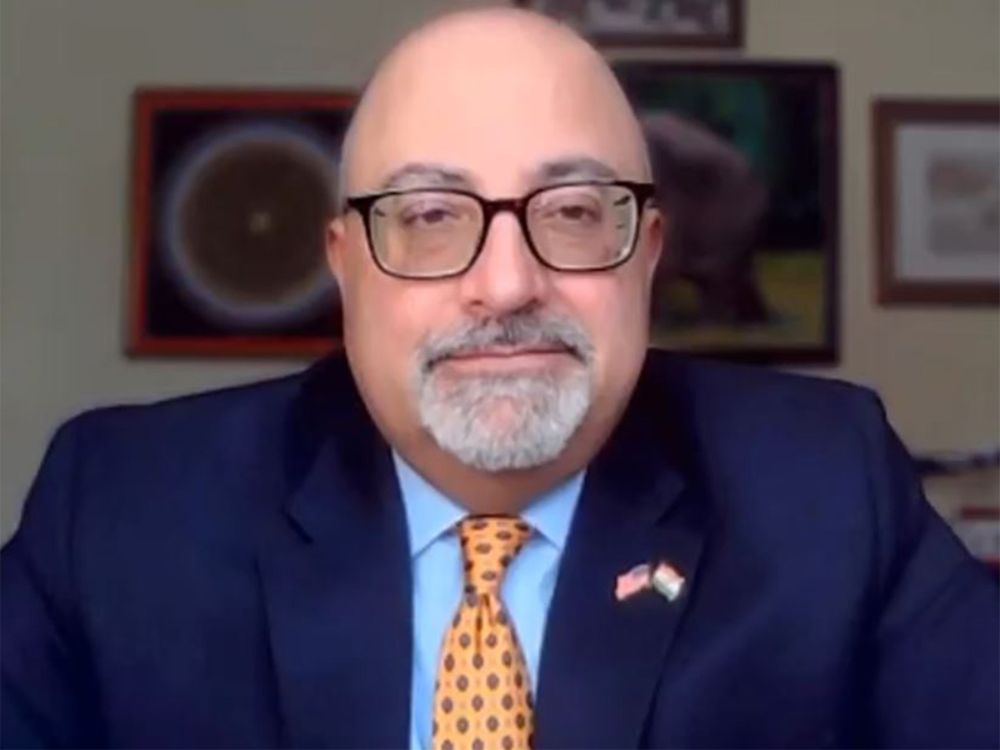
US-India Business Council President Atul Keshap said he shares Donald Trump’s optimism that India and the US will reach a bilateral trade agreement (BTA) soon.
Apprising that Washington’s proposal of a 12.5% tariff on Indian goods over forced labor concerns is part of the ongoing negotiation, he said that the latest Indo-US trade deal was “75 years overdue”.
Speaking in an interview, Keshap noted that talks between US Trade Representative officials led by Brendan Lynch and Indian negotiators in Delhi lasted “two, three days”, and both governments have sent “very positive signals about the desire to conclude an agreement”.
He said there is “inherent logic” in a BTA: US and Indian investors need it, and without it, the relationship is on a “more rocky path”. With time pressure on both sides, he urged negotiators to close it so trade can hit the “$500 billion mark,” which he called “woefully underpowered” today.
On the 12.5% tariff surcharge for labour-intensive goods flagged by Washington days ago, Keshap said it is not a separate track but “certainly an element of the negotiation”.
Based on 30 years in government, he argued that in bilateral talks, “all of these various elements are part of the main negotiation”. He linked it to perennial US concerns about market access, fairness for foreign investors, and “regulatory cholesterol” in India.
“I would hope that it would help drive both sides toward a bilateral agreement that would obviate the need for such penalties,” he said.
When asked who is the tougher negotiator, Keshap said both sides are “equally tough”. He praised Indian negotiators as “extremely shrewd and powerful and well-organised”, but said the current US administration is also willing to play “hardball tactics in ways that other American governments have not”. Unlike 20 years ago, when US positions leaked, he gave “full credit” to this administration for keeping posture under wraps.
“This is where real compromises are needed. There are legitimate, well-founded concerns on the American side… There are legitimate concerns on the Indian side as well. And that is at the core of every successful deal is compromise,” he said.
Keshap said he is “a little worried about mutual relevance” after the Ukraine war and trade tensions caused “a bit of drifting”. He applauded Secretary Rubio’s four-day India visit, the Quad momentum in Delhi, and the critical minerals partnership. But he argued US-India must do more, including linking critical minerals to data centres and AI leadership — “AI may not necessarily only stand for artificial intelligence. It also stands for America India”.
He urged India to use this moment for further structural reforms, R&D spending and faster business processes to become a more dynamic investment destination.