








Our Bureau
New Delhi
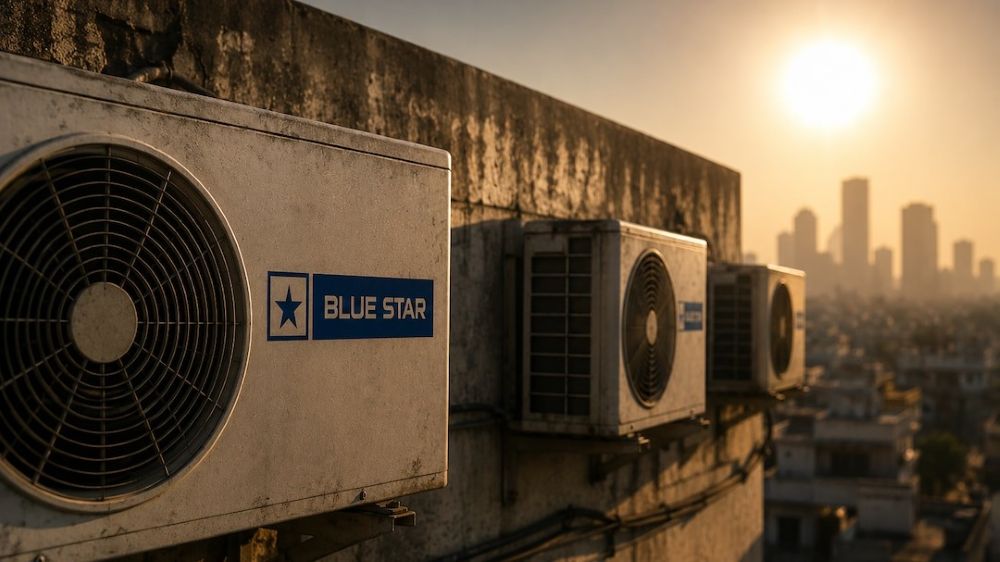
Blue Star Ltd.’s managing director, B. Thiagarajan, said the company will raise air‑conditioner prices again by about 8% as part of the total price rise of about 13% to cover higher input costs and new energy‑labelling rules. Thiagarajan warned that rising fuel costs, a weak rupee and the conflict in West Asia may chill demand this summer. He said 5% of the price rise is linked to new energy labelling requirements being implemented this month.
Industry observers and companies say the wider conflict has pushed up crude and petrochemical prices, lifting costs across packaging and logistics and causing everyday essentials to get costlier in India. Data cited by market reports show polymer and polyethylene costs have jumped as much as 40–50% since the conflict began, increasing packaging costs and squeezing margins for food and personal‑care makers. The rise in global oil prices has also been linked to higher edible‑oil prices and a chain reaction that affects soaps, shampoos and packaged foods.
Manufacturers are responding with a mix of price increases and smaller pack sizes to manage the pressure, a trend analysts call shrinkflation. Blue Star’s move is a clear example of sector firms passing higher raw‑material and compliance costs to customers while warning that consumer demand may weaken if inflationary pressures persist.
With summer demand uncertain and input costs still volatile, companies across categories say further adjustments to prices and product sizes are likely in the coming months.