








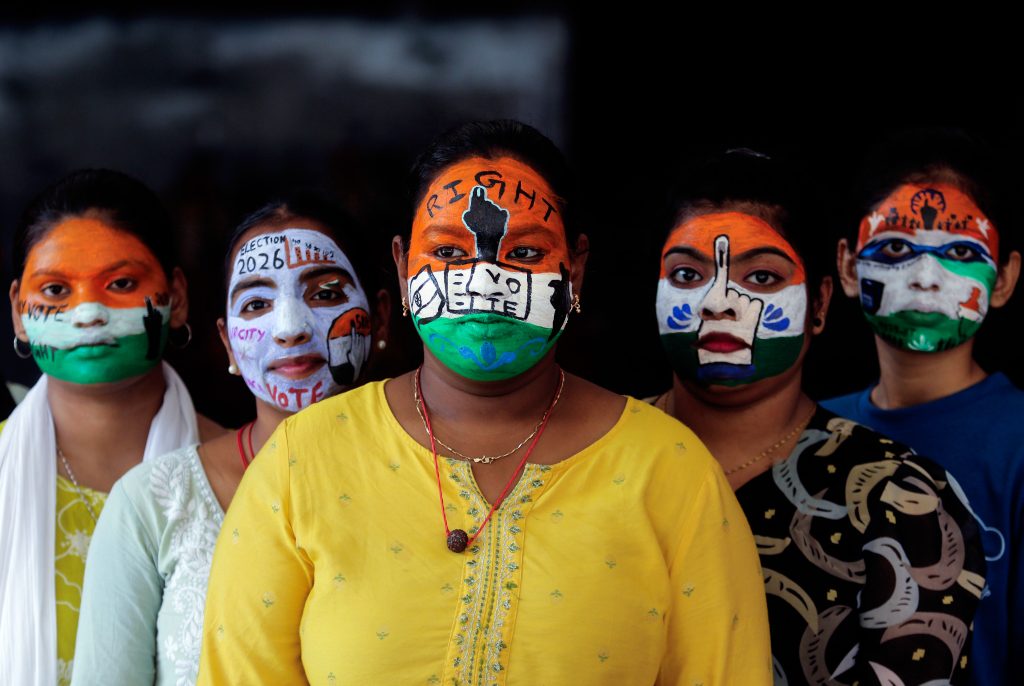
High-stakes political battle unfolds as Parliament prepares to debate expanded women’s representation
Our Bureau
Hyderabad/New Delhi/Mumbai
A fresh political showdown is brewing in India as the government pushes ahead with the Women’s Reservation Bill, positioning it as a landmark reform, while opposition voices question intent, timing, and implementation, turning what could have been a consensus-driven reform into a high-stakes contest over narrative and political ownership.
At the center of the debate is the proposed expansion of women’s representation in Parliament and state assemblies through amendments to the Nari Shakti Vandan Adhiniyam, which the government is preparing to introduce during a special three-day Parliament session from April 16. The move is being framed by the ruling establishment as a transformational step in India’s democratic journey, even as critics argue that the politics surrounding it reveals deeper fault lines.
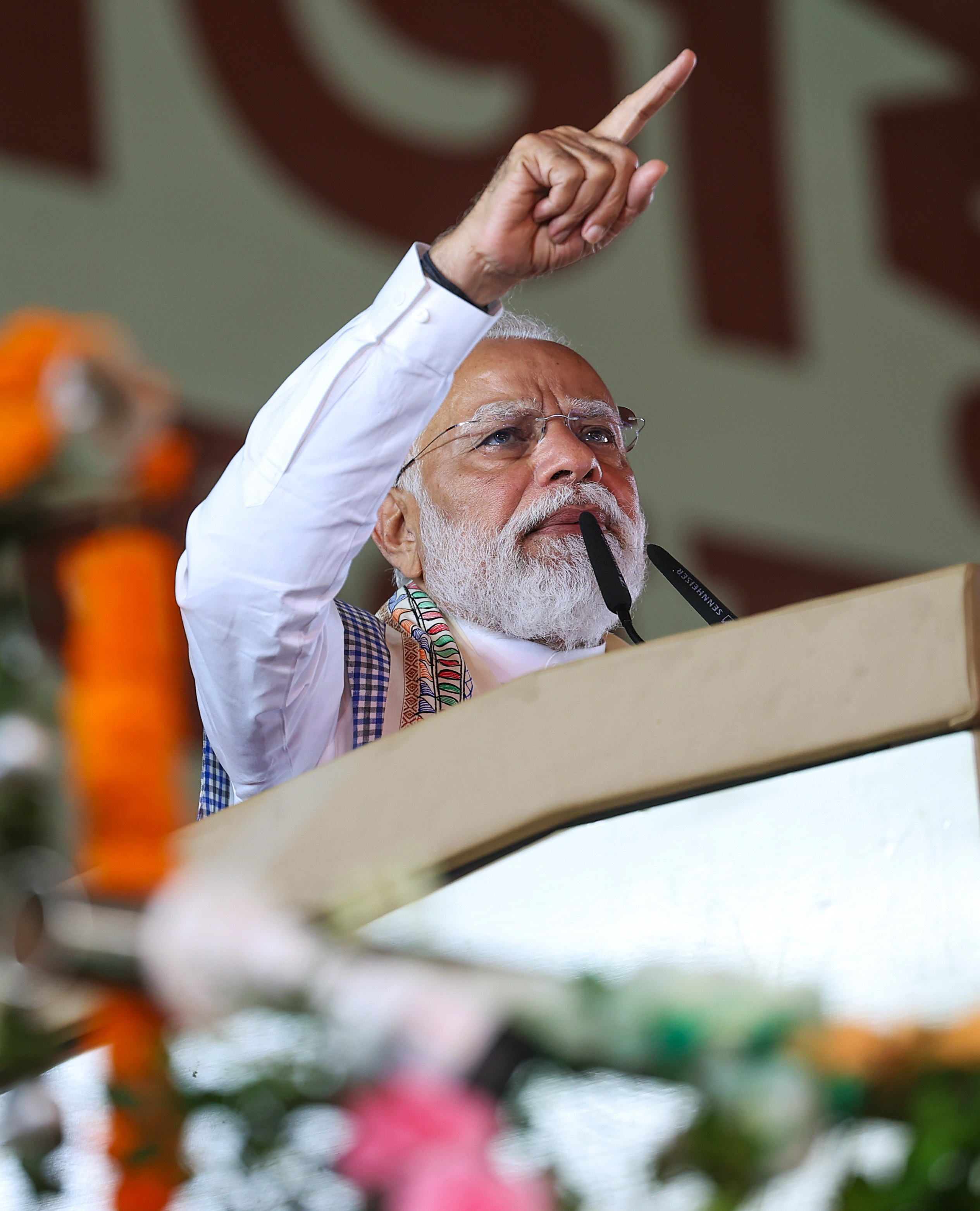
Prime Minister Narendra Modi is set to address a major Mahila Sammelan at Vigyan Bhawan on April 13, an outreach effort widely seen as part of a broader strategy to build public momentum ahead of the legislative push. According to sources, the Prime Minister is expected to underline the government’s commitment to “Nari Shakti” and emphasize that greater representation of women will lead to “more inclusive and balanced governance.”
The numbers being proposed are significant. Union Minister Ramdas Athawale said that once implemented, Parliament’s total strength would rise from 543 to 816 seats, with 33.4 per cent reserved for women, including those from Scheduled Castes and Scheduled Tribes. “After this bill is passed, the total number of seats in Parliament will increase to 816…33.4% reservation will be for women,” he said, adding that the government is appealing for unanimous political support.
Yet, the apparent push for consensus masks an undercurrent of political contestation. The BJP has launched a nationwide outreach campaign titled “Mahila Samvad,” aimed at engaging women voters across urban and rural India, spreading awareness and gathering feedback. This mobilization effort signals that the ruling party sees the bill not just as policy reform but also as a political opportunity to consolidate support among women voters ahead of future elections.
BJP leaders have amplified this narrative, portraying the bill as part of a broader trajectory of women-centric governance. Party leader Bhawna Bohra asserted that women in India are now poised to “write history,” crediting the current administration with improving women’s social status. “This three-day special session will be very important for all women,” she said, while also accusing previous governments of delaying the bill through “all sorts of tricks.”
Support for the bill extends beyond the ruling party, at least in principle. Voices from civil society, legal circles, and opposition ranks have acknowledged the transformative potential of increased women’s representation. Senior advocate Meera Devi noted that women have long contributed to nation-building but lacked institutional support, adding that the proposed 33 per cent reservation would encourage greater participation in governance. “From managing households to leading institutions, women have proven their capability in every field,” she said.
Similarly, former Himachal Pradesh Congress Committee chief Pratibha Singh expressed optimism that the bill would “open doors for more women to enter politics,” reflecting a broader consensus that the principle of reservation enjoys wide acceptance across the political spectrum.
However, beneath this agreement lies a sharper political contest over credit, timing, and execution. Opposition parties have historically supported women’s reservation but have also accused successive governments of failing to implement it effectively. Now, as the BJP moves aggressively to operationalize the bill, critics argue that the timing—amid electoral cycles and outreach campaigns—suggests political calculation.
The government, for its part, rejects such claims, emphasizing that the bill reflects a long-standing commitment to gender equality. BJP MP Jagdambika Pal Singh described it as a “historic shift” that would ensure that “50% of the country’s population… secures a 33% share in participation across all spheres.” He linked the initiative to the broader vision of a “Viksit Bharat,” arguing that inclusive governance is essential for national development.
Yet, the opposition’s critique is not limited to intent alone. Questions remain over the timeline of implementation, particularly Athawale’s indication that the expanded seat structure and reservation framework would take effect after the 2029 Lok Sabha elections. This delayed rollout has raised concerns about whether the reform will deliver immediate political empowerment or remain a deferred promise.
At the same time, the scale of the proposed changes—expanding Parliament to 816 seats—introduces logistical and constitutional complexities. Redrawing constituencies, ensuring equitable distribution, and managing the transition across states will require significant coordination, making the bill not just a political challenge but also an administrative one.
The stakes are therefore multi-layered. For the government, the bill offers a chance to cement its image as a champion of women’s empowerment while expanding its electoral base. For the opposition, it is an opportunity to challenge the narrative, question implementation, and reclaim political space on an issue where it has historically had a strong footing. The Women’s Reservation Bill in India has a long and contentious history. First introduced in 1996 during the United Front government, it sought to reserve 33% of seats in the Lok Sabha and state assemblies for women. The bill lapsed multiple times due to lack of consensus, particularly over demands for sub-quotas for OBC women. It was passed in the Rajya Sabha in 2010 under the UPA government but never cleared the Lok Sabha. After years of political deadlock, the bill was revived and passed as the Nari Shakti Vandan Adhiniyam in 2023, marking a major breakthrough in women’s political representation.
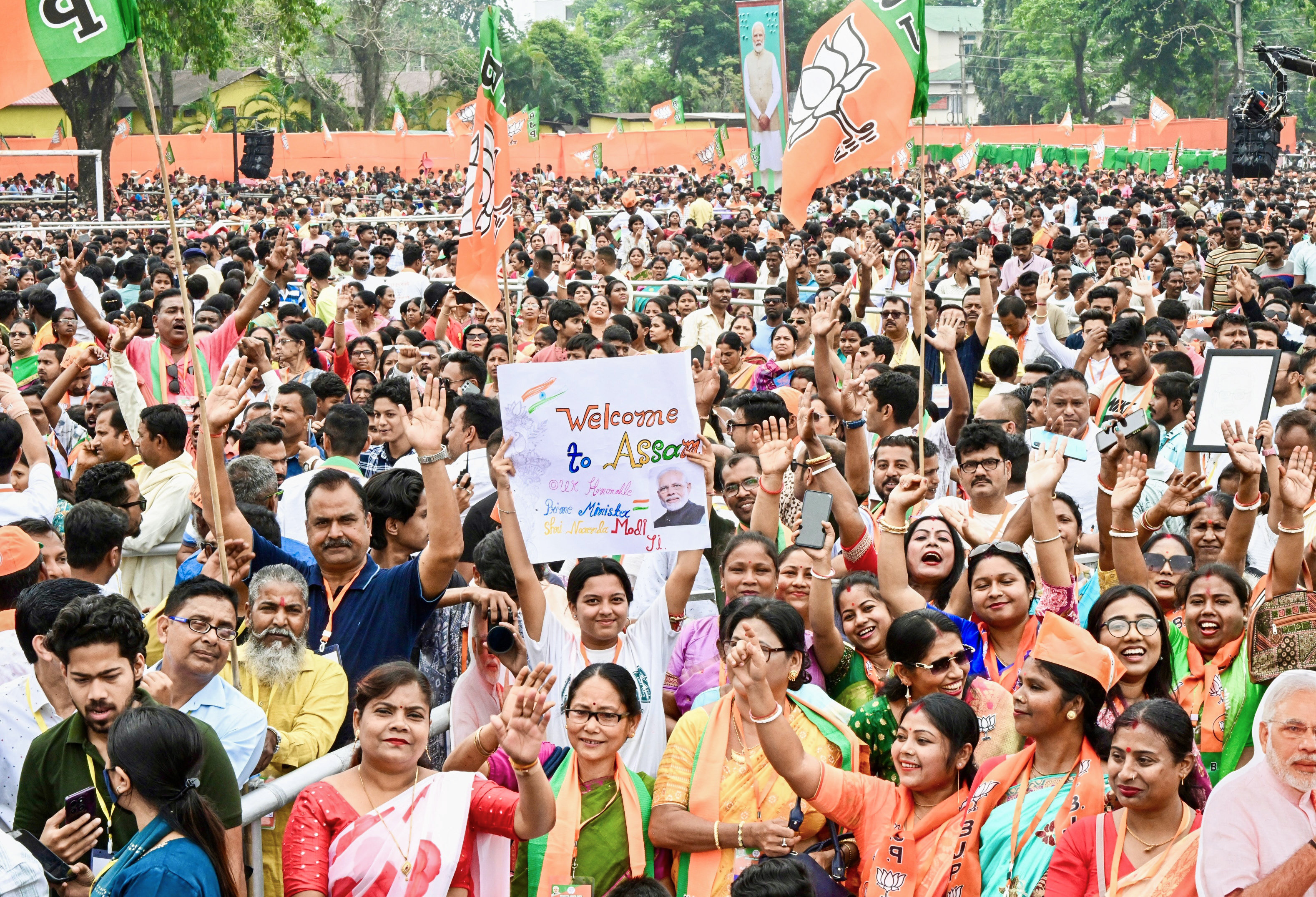
The Women’s Reservation Bill can significantly benefit the government led by Narendra Modi by strengthening its image as a champion of women’s empowerment. It allows the BJP to expand its outreach among women voters, a crucial and growing electoral segment. By pushing a long-pending reform, the government can claim decisive leadership where previous regimes struggled. The bill also aligns with its broader “Nari Shakti” narrative, reinforcing political messaging ahead of elections. Additionally, it can help consolidate support across regions and social groups, while putting the opposition on the defensive over past delays in implementing women’s reservation.
Several countries have implemented reservation or quota systems to increase women’s representation in parliament. Nations like Rwanda lead globally, with over 60% women in its lower house due to constitutional quotas. Countries such as Nepal and Bangladesh also mandate reserved seats for women. Others like France and Mexico use gender parity laws requiring parties to field equal numbers of women candidates. These mechanisms have helped improve representation, though their effectiveness varies depending on enforcement, political will, and broader social conditions.
Beyond party politics, however, the bill represents a structural shift in India’s democratic framework. Advocates argue that increasing women’s representation will lead to more balanced policymaking, particularly in areas such as education, health, and social welfare. Mamta Mokta, a member of the Himachal Pradesh Public Service Commission, said that when “half the population participates actively, it strengthens the roots of democracy.”
This broader consensus on the importance of representation contrasts sharply with the intensity of the political contest, underscoring a familiar pattern in Indian politics where agreement on principle coexists with conflict over ownership and execution.
As Parliament prepares for the special session, the battle lines are clearly drawn. The government is framing the Women’s Reservation Bill as a historic milestone, while the opposition is scrutinizing its rollout and intent. What is at stake is not just a piece of legislation, but the political narrative around who truly champions women’s empowerment in India.
In that sense, the outcome of this debate will resonate far beyond the walls of Parliament, shaping both the future of gender representation and the contours of political competition in the years ahead.