








Beyond the unusual optics, the episode raises fundamental questions for regional sports administration
Archan Mehta

Cricket is designed to resolve its disputes cleanly on the field. Bat and ball settle the argument; the scoreboard provides the final verdict. Yet the 2025 Men’s Asia Cup and the 2026 Women’s Asia Cup delivered an unprecedented paradox: India swept both tournaments with flawless records, but walked away without lifting either official trophy. Instead of serving as symbols of sporting excellence, the silverware became collateral damage in an intense diplomatic standoff.
At the center of the impasse was Syed Mohsin Raza Naqvi. Alongside his roles as Asian Cricket Council (ACC) president and Pakistan Cricket Board (PCB) chairman, Naqvi served as Pakistan’s Federal Minister of Interior and Narcotics Control. Following the April 2025 Pahalgam terror attack and subsequent military friction, bilateral relations between the two neighbors plunged to historic lows. In response, the Board of Control for Cricket in India (BCCI) adopted a pragmatic yet unyielding two-track policy: India would honor its multilateral sporting commitments, ensuring matches were played, but would entirely shun diplomatic and ceremonial contact with Pakistani state officials. Cricket could proceed, but the customary handshake was off the table.
The approach faced its first live test at the 2025 Men’s Asia Cup in the United Arab Emirates. On the pitch, India produced a clinical, unbeaten run, winning all seven matches across the group stage, the Super Four, and the final. Along the way, they defeated Pakistan three times, culminating in a five-wicket victory in the title decider after chasing down 147 with two balls to spare. Abhishek Sharma led the tournament charts with 314 runs, Tilak Varma anchored the chase with an unbeaten 69, and Kuldeep Yadav led all bowlers with 17 wickets, including 4 for 30 in the final. The triumph marked India’s record-extending ninth men’s Asia Cup title. Yet the presentation ceremony laid bare the off-field reality: while players accepted individual awards from neutral officials, the team refused to collect the championship trophy or winner’s medals from Naqvi.
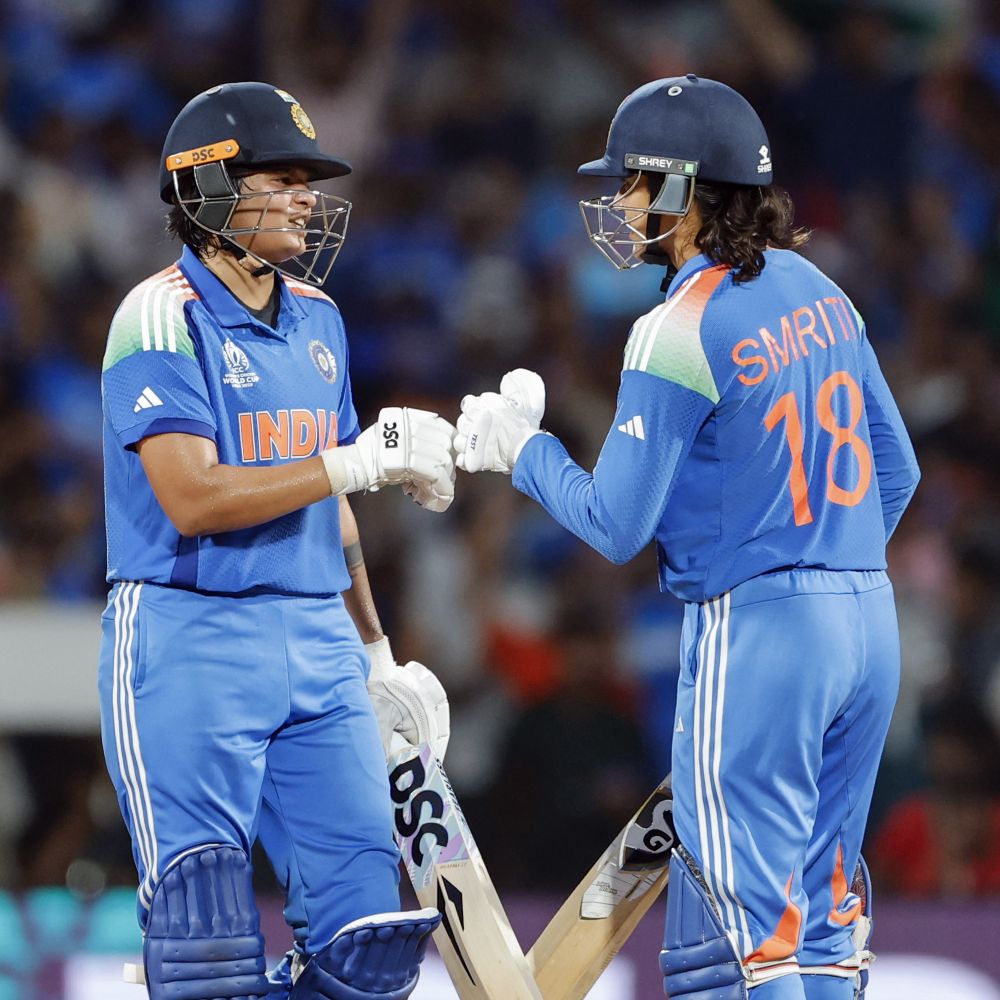
Twelve months later, the exact script played out at the 2026 Women’s Asia Cup in Dubai. India’s women matched their male counterparts with a ruthless five-match sweep, dispatching Thailand, Hong Kong, Pakistan, Bangladesh, and Sri Lanka. In the final, a blistering 129-run opening stand between Shafali Verma; who notched a tournament-record 24-ball fifty and Smriti Mandhana set up an emphatic 72-run victory. Deepti Sharma finished as the leading bowler with 14 wickets, while Sree Charani dismantled Sri Lanka with 4 for 20. The win delivered India their eighth Women’s Asia Cup crown, reaffirming their regional supremacy. Yet the post-match statement was even more decisive: after captain Harmanpreet Kaur finished her mandatory broadcast interview, the entire squad returned to the dressing room, bypassing the presentation altogether.
For the players, however, the answer remains much simpler. They did their job. India’s men won all seven matches in the 2025 tournament and secured the country’s ninth men’s Asia Cup title. India’s women followed by winning all five matches in 2026 and claiming their eighth women’s Asia Cup title. The records will show them as champions. The performances will remain in the scorebooks ; Abhishek’s 314 runs and Kuldeep’s 17 wickets for the men; Shafali’s 236 runs and Deepti’s 14 wickets for the women. The trophies, however, became trapped in an administrative dispute.
The numbers tell a remarkable story of complete dominance: 12 matches played, 12 victories, and two continental titles. Across men’s and women’s cricket, India now boasts 17 Asia Cup championships. However, neither of the latest two physical cups was lifted on the podium.
Beyond the unusual optics, the episode raises fundamental questions for regional sports administration. When the head of an international governing body holds a senior political cabinet post in a nation embroiled in conflict with a member board, institutional neutrality is severely strained. India’s stance has established a novel precedent in sports diplomacy, proving that a team can fulfill sporting obligations without lending legitimacy to political adversaries. For the athletes, the task was completed without error. The runs, wickets, and titles are permanently etched into the record books. The cricket was settled within the boundary ropes; the silverware remains trapped by geopolitics.
Archan Mehta is a writer dedicated to telling compelling stories about athletes, teams, and the world of cricket.