








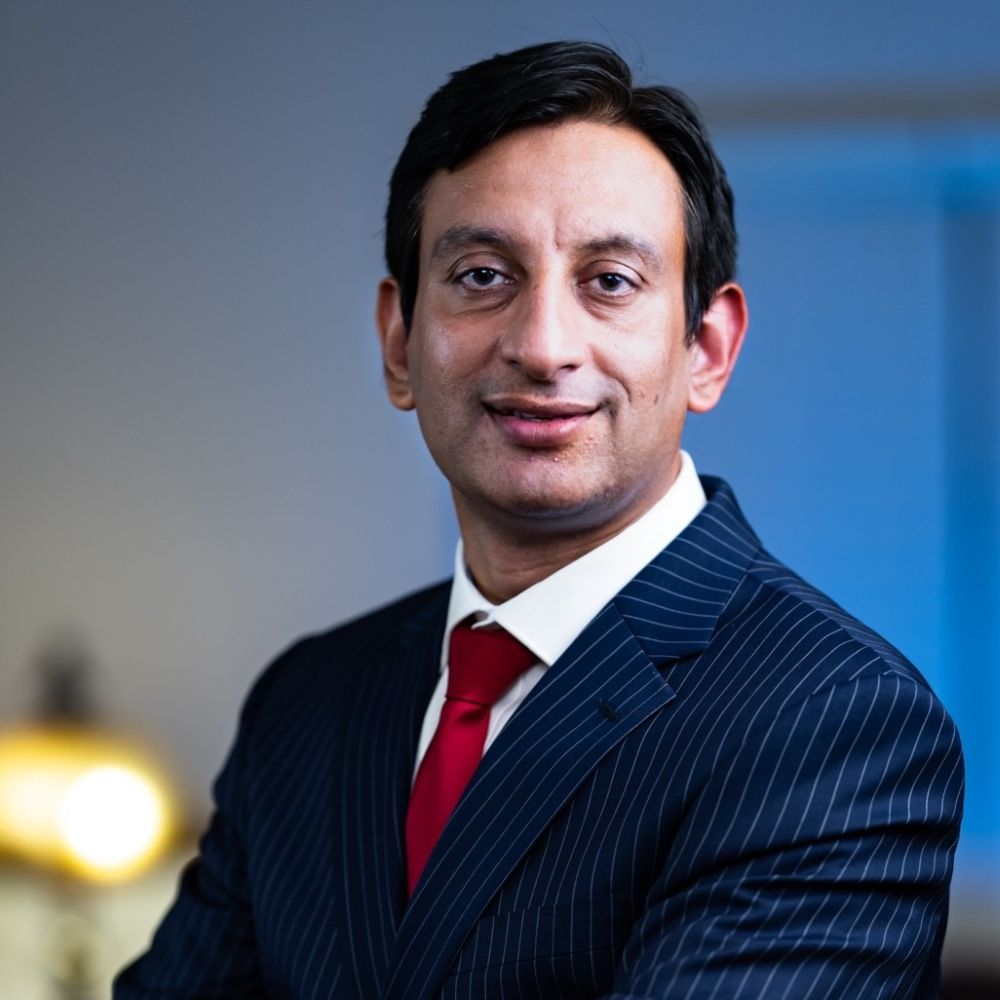
Deutsche Bank partners with Google to simulate technology disruptions and assess recovery preparedness, Pankaj Ojha serving as the platform’s lead architect.
Our Bureau
New York, NY
Deutsche Bank is using agentic artificial intelligence to strengthen technology resilience and help meet increasingly demanding regulatory requirements through a platform developed in collaboration with Google Cloud.
The initiative, known as the Agentic Resilience Platform (ARP), is designed to help financial institutions prepare for technology disruptions, assess their response capabilities and generate evidence that can support operational resilience reviews. Google Cloud recently highlighted the platform and identified Pankaj Ojha, Director at Deutsche Bank, as its lead architect.
The platform comes as financial institutions face greater scrutiny over their ability to withstand and recover from technology-related disruptions. In the European Union, the Digital Operational Resilience Act (DORA) places particular emphasis on testing resilience, documenting recovery capabilities and maintaining evidence of operational preparedness.
ARP is designed to bring greater automation and intelligence to these activities. By drawing on information about an organization’s technology environment and historical incidents, the system can develop disruption scenarios tailored to specific environments. It can then assist with tabletop exercises, assess possible failure points and generate documentation that can be used during resilience and regulatory assessments.
The platform can also be used after a real technology incident to assist teams with investigating potential causes and understanding how failures developed across interconnected systems.
According to Google Cloud, Deutsche Bank is applying the approach across several portfolios, with the platform positioned as a model that could potentially be adapted by other organizations in the financial sector.
The project also reflects Ojha’s longstanding work in large-scale computing and technology resilience. Nearly two decades ago, while working with India’s Centre for Development of Advanced Computing (C-DAC), he contributed to DMSAR, a disaster-management system that used the GARUDA national computing grid to accelerate satellite-radar data processing for flood assessment.
Alongside his Deutsche Bank role, Ojha serves as an external expert on NIT Delhi’s Startup Advisory Board, evaluating startup technologies and providing technical guidance within the institute’s startup ecosystem.
The development of ARP illustrates how financial institutions are increasingly looking beyond conventional monitoring and incident-response systems, using agentic AI to simulate disruptions, evaluate preparedness and create a more continuous, evidence-based approach to operational resilience.