








Our Bureau
New Delhi
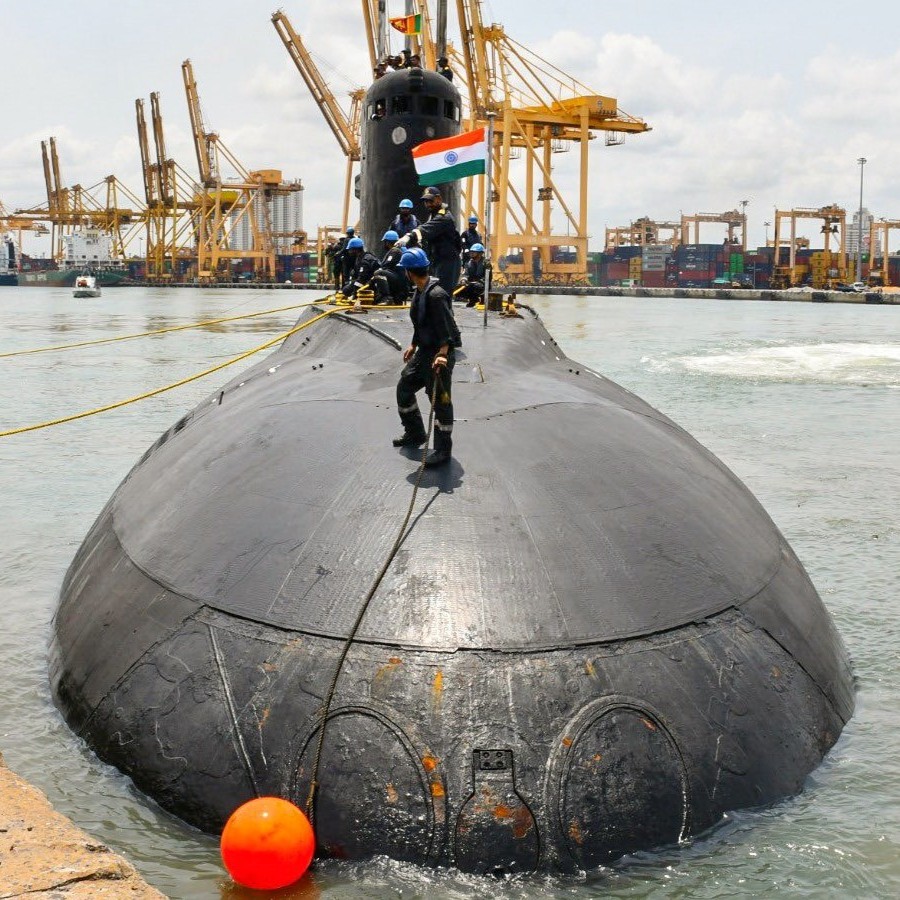
India’s long-delayed Project 75(I) programme to build six advanced conventional submarines for the Indian Navy has moved closer to final government approval, with the proposal expected to go before the Cabinet Committee on Security (CCS). The project, estimated at around ₹70,000 crore, is aimed at strengthening India’s underwater capabilities and expanding domestic defence manufacturing.
Under the programme, the six submarines will be equipped with Air-Independent Propulsion (AIP) technology, which enables conventional submarines to remain submerged for longer periods without relying as heavily on atmospheric oxygen. This enhances their endurance and stealth during underwater operations.
The submarines are planned to be built in India by Mazagon Dock Shipbuilders Limited (MDL) in partnership with Germany’s Thyssenkrupp Marine Systems (TKMS). The programme is being pursued under the government’s “Make in India” push and is expected to involve significant technology transfer and domestic manufacturing.
The project has faced years of delays, with negotiations over cost and technology contributing to the prolonged process. Earlier estimates had placed the programme substantially lower, but the projected cost rose during negotiations before being brought down to the present range of roughly ₹66,000-70,000 crore.
The move comes as India seeks to address gaps in its conventional submarine fleet amid increasing maritime competition in the Indian Ocean Region. The Navy currently operates a mix of conventional and nuclear-powered submarines, while several older conventional boats are approaching the later stages of their service lives.
The Project 75(I) submarines are expected to provide a significant boost to India’s underwater surveillance and deterrence capabilities. However, their induction will take several years after the contract is signed, making timely approval and execution crucial to meeting the Navy’s long-term fleet requirements.