








Our Bureau
New Delhi
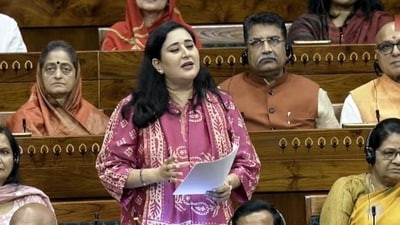
A debate in the Lok Sabha on the Public Examinations (Prevention of Unfair Means) Amendment Bill, 2026 took an unexpected turn on Tuesday as Members of Parliament from both the Treasury and Opposition benches peppered their speeches with popular Gen Z expressions such as “delulu,” “clock it,” “FOMO,” and “MIA,” reflecting the growing influence of internet culture on India’s political discourse.
The legislation, aimed at strengthening measures against examination malpractices and paper leaks, became as notable for its language as for the policy issues under discussion. MPs employed youth-centric slang to sharpen political attacks and rebuttals, drawing both amusement and criticism inside the House.
Members of the ruling National Democratic Alliance (NDA) used terms such as “delulu”—a slang abbreviation for “delusional”—to target the Opposition, while “clock it,” meaning to notice or call out something, featured prominently in exchanges. Other expressions including “FOMO” (fear of missing out) and “MIA” (missing in action) were also invoked to question political positions and attendance. Opposition MPs, meanwhile, responded by using internet phrases of their own and questioned whether such informal vocabulary was appropriate for parliamentary proceedings.
The episode quickly gained traction on social media, where users debated whether the adoption of Gen Z language made parliamentary debates more relatable or diminished the dignity of legislative discussions. Linguists note that expressions like “clock it” originated in ballroom and drag culture before gaining mainstream popularity through social media platforms, while “delulu” has become widely used online to describe unrealistic thinking in a humorous context.
The debate underscored how digital culture is increasingly shaping public communication in India, with Parliament joining a growing list of institutions where internet-born vocabulary is finding acceptance. While opinions remain divided on its appropriateness, the incident highlighted the evolving nature of political rhetoric in the age of social media.