








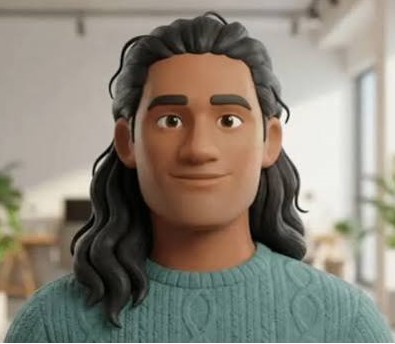
Google has rolled out two major artificial intelligence-powered upgrades to Google Vids, enabling users to create, edit and even appear in AI-generated videos using simple text prompts. The new features, Gemini Omni integration and personal AI avatars, are designed to simplify professional video production for businesses, educators and content creators without requiring advanced editing skills.
At the heart of the update is Gemini Omni, Google’s latest multimodal AI model, which allows users to generate high-quality videos from text descriptions and image references. The tool also supports conversational editing, enabling creators to refine videos through natural language commands such as changing backgrounds, improving lighting, adding effects or removing unwanted elements without restarting the editing process.
Google has also introduced personal AI avatars that let users create a digital version of themselves by uploading a selfie and a short voice recording. Once verified, the avatar can deliver scripted messages, allowing users to produce presentations, announcements and updates without recording fresh videos each time. The company said the feature is currently available for eligible users aged 18 and above in select regions.
To address concerns around AI-generated content, Google said every video created using these tools will carry an invisible SynthID digital watermark, enabling verification that the content was AI-generated.
Man Regains Hand Movement with Brain Implant
A paralysed man has regained the ability to move his hands, feel touch and perform everyday tasks such as feeding himself and drinking from a cup after receiving a pioneering brain implant, marking a major breakthrough in the treatment of severe spinal cord injuries. The findings, published in Nature Medicine, demonstrate the potential of a first-of-its-kind “double neural bypass” system that restores both movement and sensation in people living with paralysis.
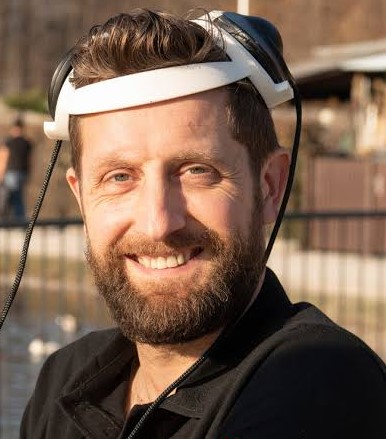
The recipient, Keith Thomas, was left paralysed from the chest down following a diving accident in 2020. Researchers at the Feinstein Institutes for Medical Research implanted five microelectrode arrays in his brain that decode movement-related signals. These signals are translated using artificial intelligence and transmitted to stimulation devices on his forearm and spinal cord, enabling voluntary hand and arm movements. Simultaneously, pressure sensors relay touch information back to the brain, restoring sensation.
After 35 weeks of intensive rehabilitation, Thomas was able to grasp objects, manipulate delicate items such as eggshells, feed himself independently and drink from a cup. Researchers also reported significant improvements in muscle strength and tactile sensation, with some gains persisting even when the device was switched off, suggesting that the technology promotes long-term rewiring of damaged neural pathways.
—