Rising crude prices, supply disruptions and capital outflows are converging to strain India’s economic stability.
Our Bureau
New Delhi / Mumbai
India’s economy is confronting a “perfect storm” of external shocks triggered by the ongoing West Asia conflict, with surging crude oil prices, supply chain disruptions and foreign capital outflows combining to heighten inflationary pressures and dampen growth prospects.
At the centre of the crisis is the sharp escalation in global oil prices, with analysts warning of extreme scenarios if geopolitical tensions persist. Vandana Bharti, Research Head – Commodity at SMC Global Securities, said crude oil could rise to USD 150 per barrel under severe conditions, describing it as “a very alarming situation.”
“After USD 130, USD 150, I think many political alliance, they will come forward and they will stop it… otherwise, it will be a mayhem,” Bharti told ANI, pointing to the likelihood of global intervention if prices spiral further.
Benchmark crude prices are already elevated, with WTI trading at USD 107-108 per barrel, Brent near USD 106 and Murban crude above USD 113. For India, the impact is more acute, with its crude basket “already near USD 150” compared to USD 70-75 at the start of the year, reflecting rising freight, insurance and supply costs.
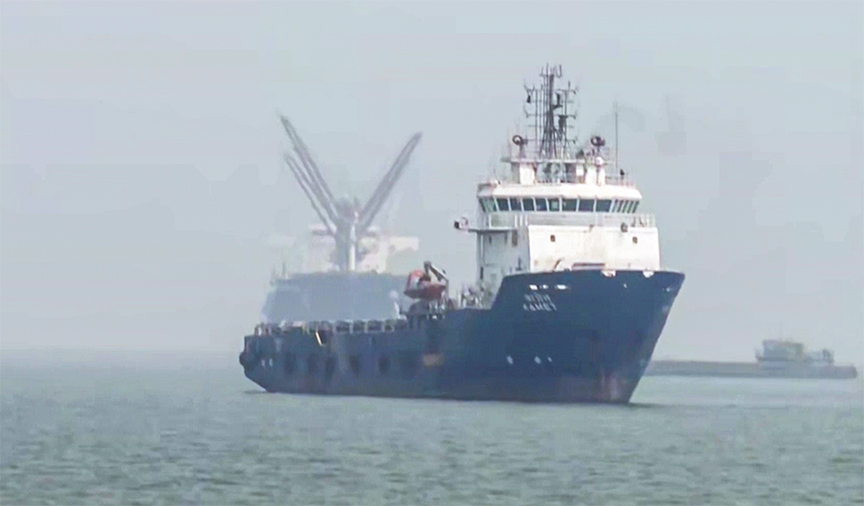
The surge comes amid significant supply disruptions of around 10 million barrels per day globally, with shipments through the Strait of Hormuz under strain. Asia, home to 58.8 per cent of the world’s population, is among the worst affected due to its reliance on imported crude.
Bharti warned that even incremental increases in oil prices could have a disproportionate economic impact. “Every USD 10 increase in oil prices could reduce GDP growth by 0.5 percentage points,” she said, adding that prices above USD 120 could trigger stagflation, with growth slowing to around 0.9-1 per cent alongside rising inflation.
The pressure is also visible in domestic markets. MCX crude prices have surged from about Rs 6,000 before the conflict to above Rs 10,000, after touching Rs 10,500, and could rise further to Rs 11,000-12,000. Meanwhile, the rupee, currently around 93.11 per dollar, could weaken to 97-98 if global crude prices climb to USD 120-130, widening the current account deficit and fuelling imported inflation.
Compounding the energy shock are broader supply chain disruptions affecting key consumption sectors. A report by Crisil Ratings highlighted that demand for refined sunflower oil in India is expected to decline by around 10 per cent in the current fiscal due to higher prices and logistical challenges.
“Indian refined sunflower oil volume is poised to decline ~10% in the current fiscal, due to twin headwinds that will dampen demand,” the report said, citing disruptions linked to the West Asia conflict and increased logistics costs.
India’s sunflower oil industry, heavily dependent on imports from Ukraine and Russia, is facing longer shipping routes and higher war-risk insurance premiums. Retail prices have risen to Rs 170-175 per litre from around Rs 150 in January, prompting consumers to shift towards cheaper alternatives such as rice bran and soybean oils.
While refiners are expected to maintain stable revenues due to higher realisations, declining volumes and tightening inventories signal stress in consumption patterns, a key pillar of India’s economic growth.
At the same time, financial markets are witnessing significant foreign investor outflows amid a global “risk-off” sentiment. According to data from the National Securities Depository Limited, foreign portfolio investors (FPIs) sold equities worth Rs 1,17,775 crore in March and an additional Rs 19,837 crore in the first two trading days of April.
Ross Maxwell, Global Strategy Operation Lead at V T Markets, attributed the outflows to global uncertainty rather than domestic weakness. “It comes back down to just this risk-off environment… it’s more capital preservation. It’s moving away from riskier assets and into safe havens,” he said.
He added that emerging markets like India are particularly vulnerable during such periods. “Investors are moving out of equities, especially some emerging markets which are more susceptible to potential damages and escalation,” Maxwell noted.
Looking ahead, the duration of the conflict remains a critical variable. Bharti warned that if the crisis extends beyond April or May, the economic consequences could deepen significantly, particularly with rising summer energy demand.
“If it prolongs… then it will create a real havoc for Indian economy as well,” she said.
As global markets remain volatile and geopolitical risks persist, India’s economy appears increasingly exposed to a convergence of external shocks, with policymakers facing mounting pressure to navigate what analysts describe as an unfolding perfect storm.