

Archan Mehta
The IPL doesn’t just begin… it erupts and in 2026, it has exploded into a masterclass of modern T20 dominance
The opening week of the Indian Premier League 2026 has already redefined the parameters of high-scoring chases, tactical clarity, and execution under pressure. Across just two marquee encounters, franchises have demonstrated a clear shift toward aggressive intent from ball one, with batting units dictating terms and bowlers forced into reactive roles. What stands out immediately is not just the volume of runs, but the efficiency and precision with which they have been chased down, highlighting a new era where 200-plus totals are no longer intimidating but increasingly manageable targets.
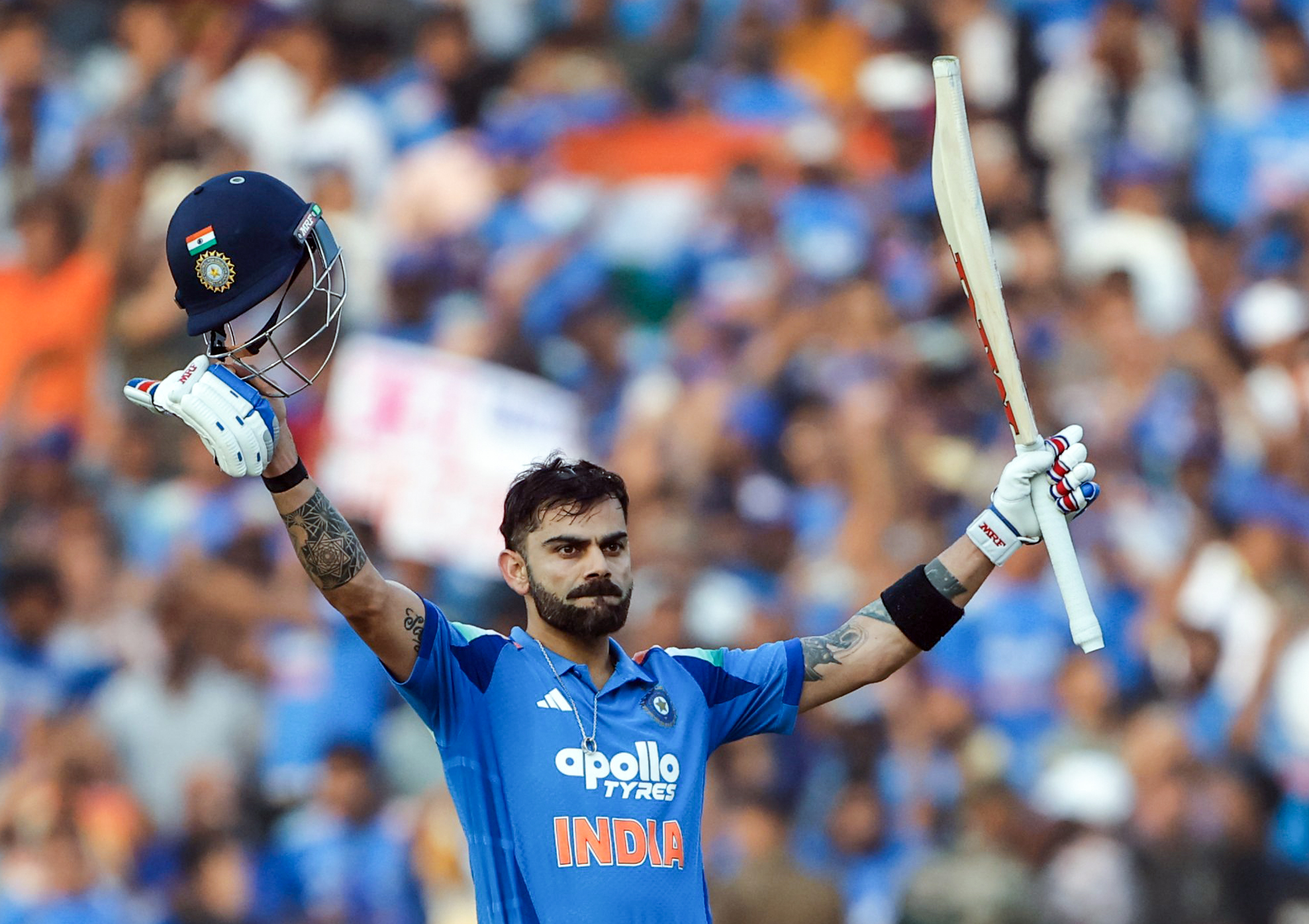
At the M. Chinnaswamy Stadium, Royal Challengers Bengaluru delivered a near-perfect chase against Sunrisers Hyderabad, overhauling 202 in just 15.4 overs with 26 balls to spare. The chase was built on a combination of explosive intent and calculated anchoring. Devdutt Padikkal’s 61 off 26 balls signaled a significant evolution in his T20 approach, particularly his willingness to attack from the very first delivery. Complementing him, Virat Kohli demonstrated elite game awareness, pacing his innings to perfection before finishing with a late surge. Equally critical was the debut performance of Jacob Duffy, whose 3/22 showcased the value of discipline and adaptability. His ability to replicate Josh Hazlewood’s hard-length strategy on a surface offering spongy bounce proved decisive in restricting SRH’s top order.
Despite the defeat, SRH’s batting unit showed resilience. Ishan Kishan marked his captaincy debut with a high-quality 80 off 38 balls, blending aggression with control. The late acceleration from Aniket Verma further pushed the total past 200, a benchmark that would typically ensure competitiveness. However, the absence of a threatening bowling unit exposed a critical weakness. Economy rates spiraling beyond 10 runs per over highlighted the lack of control and penetration, two attributes essential in defending totals in modern T20 cricket.
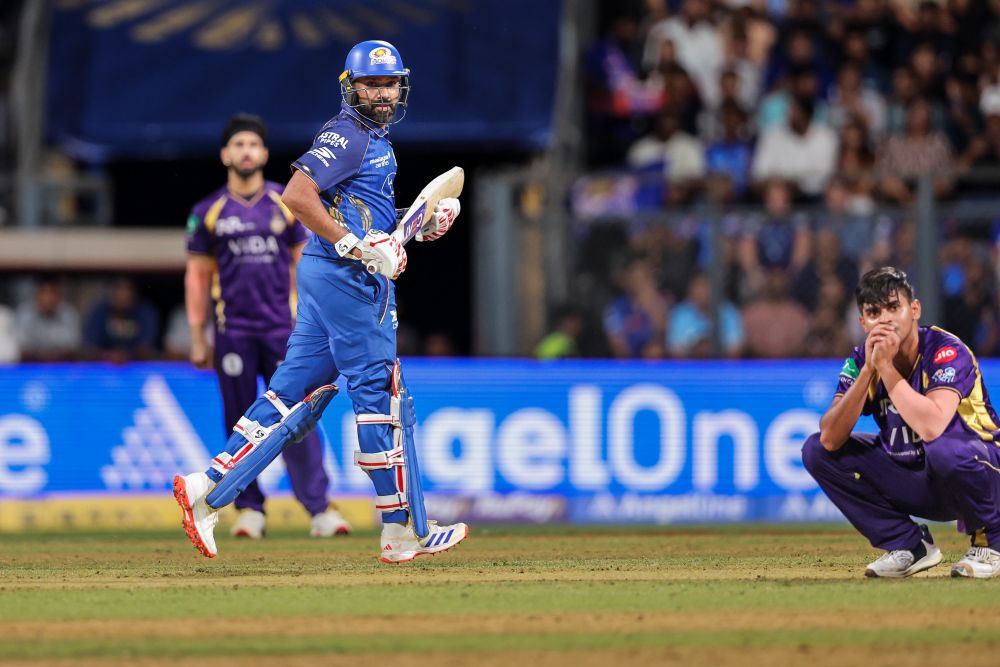
The second fixture at the Wankhede Stadium between Mumbai Indians and Kolkata Knight Riders offered a contrasting yet equally compelling narrative. Mumbai’s successful chase of 221 not only ended a 14-season opening-match drought but also reinforced their dominance at the venue. The 148-run opening partnership between Rohit Sharma and Ryan Rickelton was the defining phase of the match. Rohit’s 78 off 38 balls was a display of calculated aggression, particularly his proactive targeting of Varun Chakravarthy. Rickelton, under pressure to replace Quinton de Kock, responded with an assured 81, ensuring the required rate was consistently under control.
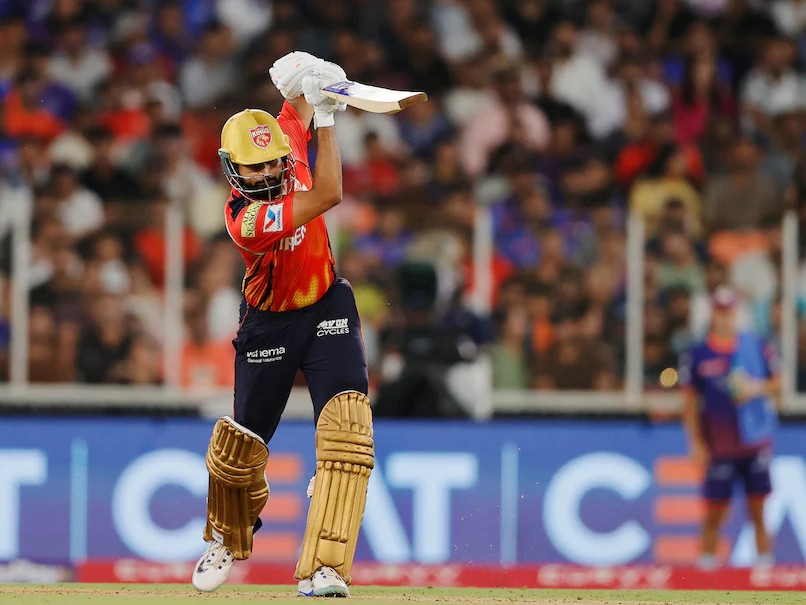
Earlier, KKR had laid a formidable platform, driven by Ajinkya Rahane’s commanding 67 and explosive contributions from Finn Allen and Angkrish Raghuvanshi. However, the innings was effectively derailed by Shardul Thakur, whose 3/39 halted KKR’s momentum at critical junctures. His ability to deploy slower balls and hard lengths against set batters underscores the importance of variation in high-scoring contests. Notably, Mumbai’s chase featured a boundary in every over, a rare statistical anomaly that underlines the relentless pressure exerted on KKR’s bowlers.
From a broader analytical perspective, the opening week has highlighted several tactical trends and structural challenges. The underutilization of Sunil Narine in KKR’s defense and the restricted bowling role of Cameron Green due to workload management policies reflect the growing impact of external constraints on team balance. Similarly, the absence or limited availability of key players such as Pat Cummins and Josh Hazlewood has forced franchises to rethink strategies, often elevating lesser-known players like Duffy into pivotal roles. This dynamic has sparked a larger debate around auction transparency and the true value of high-priced all-rounders who may not be fully available.
In conclusion, the IPL 2026 opening week has reinforced one undeniable truth: the game is evolving faster than ever. Batting units are redefining limits, bowlers are being pushed to innovate, and tactical decisions are under greater scrutiny than ever before.
If this is just the beginning, the IPL 2026 season promises not just competition, but a complete reimagination of T20 cricket at its highest level.
Archan Mehta is a writer dedicated to telling compelling stories about athletes, teams, and the world of cricket