

Beyond fuel, the ripple effects are being felt in the fertilizer sector, which is closely linked to global energy markets
Our Bureau
New Delhi / Mumbai
India’s economy is navigating a complex mix of global disruptions triggered by the ongoing conflict involving Iran, but policymakers and industry leaders say the country remains on a stable footing, supported by strong macroeconomic fundamentals and proactive government intervention.
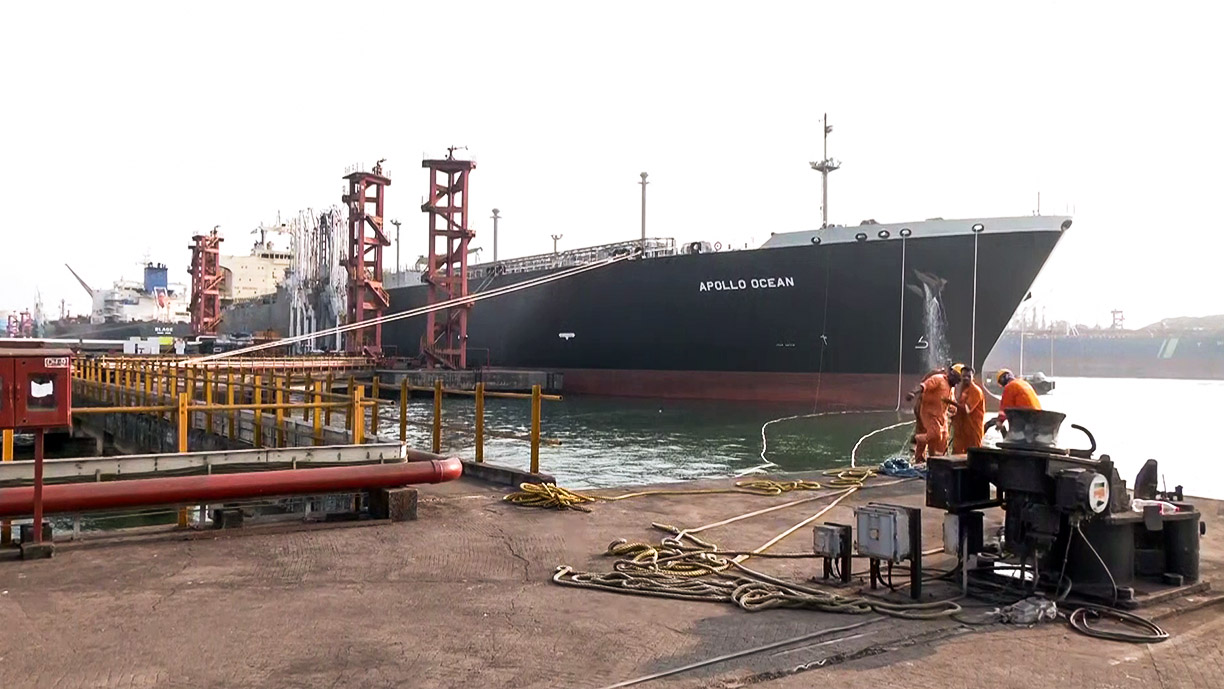
The immediate concern stems from disruptions in energy supply chains, particularly through the Strait of Hormuz, a critical artery for global oil and gas shipments. With shipping constraints and rising crude prices, India—one of the world’s largest energy importers—faces increased pressure on its import bill and inflation trajectory.
However, the government has moved swiftly to reassure markets and consumers. The Ministry of Petroleum and Natural Gas said fuel supply across the country remains stable, with all retail outlets functioning normally and adequate stocks of petrol and diesel available. “All refineries are operating at high capacity, with adequate crude inventories in place,” the ministry said, urging citizens to avoid panic buying.
These assurances come amid reports of sporadic panic purchases in some regions, reflecting the sensitivity of domestic markets to global geopolitical shocks. To maintain stability, authorities have ramped up enforcement, conducting more than 2,600 raids, seizing over 450 LPG cylinders, registering over 680 FIRs, and arresting 195 individuals in cases related to hoarding and black marketing.
The government has also taken targeted steps to manage supply pressures. Additional allocations of 48,000 kilolitres of kerosene have been made to states, while commercial LPG allocation has been increased by 20 percent, taking the total to 50 percent for priority sectors such as hospitality, food processing, and community kitchens. On the ground, more than 37,000 small LPG cylinders were sold in a single day, indicating steady demand and supply continuity.
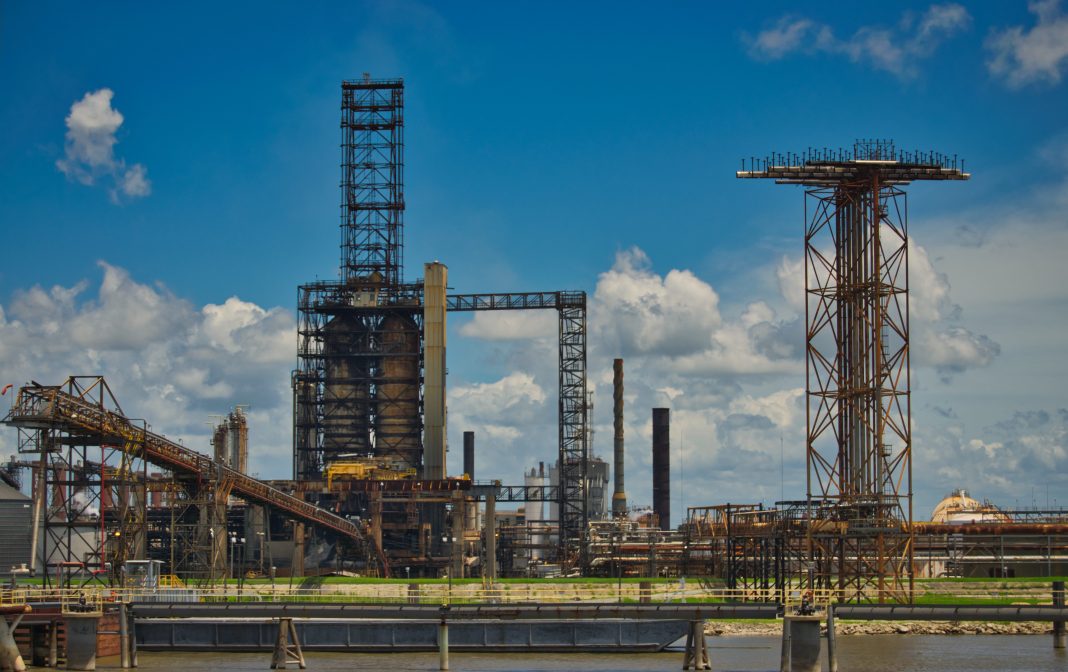
Beyond fuel, the ripple effects are being felt in the fertiliser sector, which is closely linked to global energy markets. India, the world’s second-largest fertiliser consumer and third-largest producer, is particularly exposed to fluctuations in natural gas prices and imported inputs such as phosphates and potash.
“Disruptions in shipping routes, particularly through the Strait of Hormuz, and tightening global LNG availability are exerting pressure on input costs and supply chains worldwide,” said Dr. Suresh Kumar Chaudhari, Director General of the Fertiliser Association of India. He added that while challenges are real, the situation is being “carefully managed through close coordination between the industry and the Government.”
According to a report by Crisil Ratings, supply chain disruptions could impact domestic production of complex fertilisers and urea by 10–15 percent. The report also warned that higher input costs could increase the government’s subsidy burden by Rs 20,000–25,000 crore, while raising working capital requirements for manufacturers.
Despite these pressures, industry leaders say supply remains comfortable for now. Diversified sourcing strategies, optimised gas allocation, and long-term contracts are helping cushion the impact. “Availability remains comfortable, and the focus continues to be on ensuring seamless supply to farmers and safeguarding agricultural productivity,” Chaudhari said.
On the macroeconomic front, the outlook remains resilient. Shamika Ravi, Member of the Economic Advisory Council to the Prime Minister, emphasised that India’s growth is not only strong but also stable. “Our growth is not just high but more importantly stable, with inflation which has remained within the threshold of what the RBI sets,” she said, adding that “there is no reason for any kind of panic.”
India’s ability to withstand repeated external shocks—from the pandemic to geopolitical conflicts—has been a defining feature of its recent economic trajectory. “We have unfortunately in the last 10 years been subjected to all kinds of global shocks but despite that I think we are managing fairly well,” Ravi noted.
Structural factors, however, continue to shape vulnerability. With nearly 90 percent of urban households and about 60 percent of rural households dependent on LPG, fluctuations in global energy markets have direct implications for domestic consumption patterns and inflation.
At the same time, rising participation in financial markets—now exceeding 100 million retail investors—adds another layer of complexity, making financial literacy and risk awareness increasingly important in a volatile global environment.
While headwinds from West Asia persist, India’s calibrated policy response, diversified supply strategies, and stable macroeconomic indicators are helping it navigate uncertainty. The coming months will test the durability of this resilience, but for now, the economy appears steady—even as global turbulence continues to build.