

Indian Interest by Shobhan Saxena
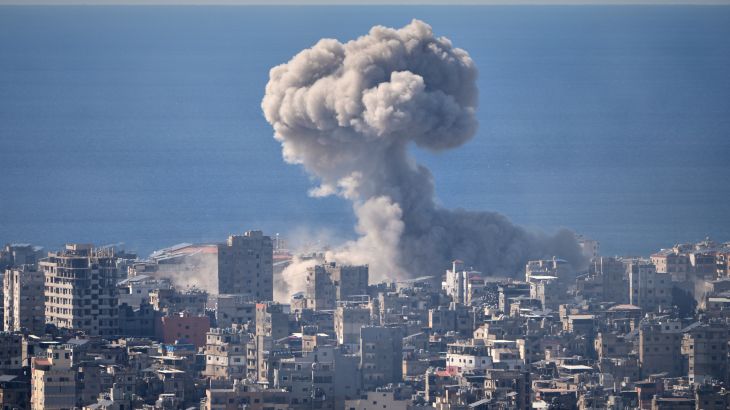
There was a time when the phrase “not an era of war” — invoked memorably by Prime Minister Narendra Modi — carried within it a moral aspiration: that global conflicts, however deep, would ultimately yield to dialogue. But the ongoing confrontation involving Iran, Israel, and the United States suggests that we are not merely witnessing a breakdown of peace, but something perhaps more troubling — the absence of diplomatic imagination.
This is not quite a full-scale world war, yet it is no longer a contained regional conflict either. What distinguishes this moment is not just the escalation of violence, but the striking absence of credible diplomatic effort. The machinery of dialogue appears stalled, if not abandoned altogether.
From the outset, diplomacy was sidelined. Even as tensions escalated in West Asia, there were few sustained attempts at backchannel negotiations or multilateral mediation. The familiar institutions — the United Nations, European interlocutors, or regional forums — have struggled to assert relevance. Instead, military signaling and retaliatory strikes have dominated the discourse.
What is perhaps most concerning is that few major powers are actively advocating for dialogue in a sustained, visible manner. Silence, in this context, becomes complicity in escalation. Even traditional advocates of diplomacy appear constrained — either by strategic alignments or by the sheer pace of unfolding events.
The war, consequently, is spreading not only geographically but also politically. Proxy theaters risk activation, maritime routes face disruptions, and energy markets remain volatile. Each failed opportunity for dialogue widens the arc of instability.
At the same time, the United States finds itself relatively isolated in its approach. While it remains the central military and strategic actor, many countries have shown reluctance to fully align with its posture. This hesitation is not necessarily rooted in support for Iran, but rather in a broader discomfort with the consequences of escalation. The memory of prolonged conflicts — from Iraq to Afghanistan — lingers heavily in global strategic thinking.
For India, the situation is particularly complex. New Delhi’s position reflects a delicate balancing act shaped by competing interests. On one hand, India has deepening strategic ties with Israel, including in defense and technology. On the other, it maintains longstanding relations with Iran, not least due to geographic and economic considerations.
More immediately, India faces two pressing concerns: energy security and the welfare of its diaspora. The Gulf region, already tense, hosts millions of Indian nationals whose safety becomes increasingly precarious as conflict spreads. Any disruption in oil supplies or shipping lanes could also have direct economic repercussions for India, which remains heavily dependent on energy imports.
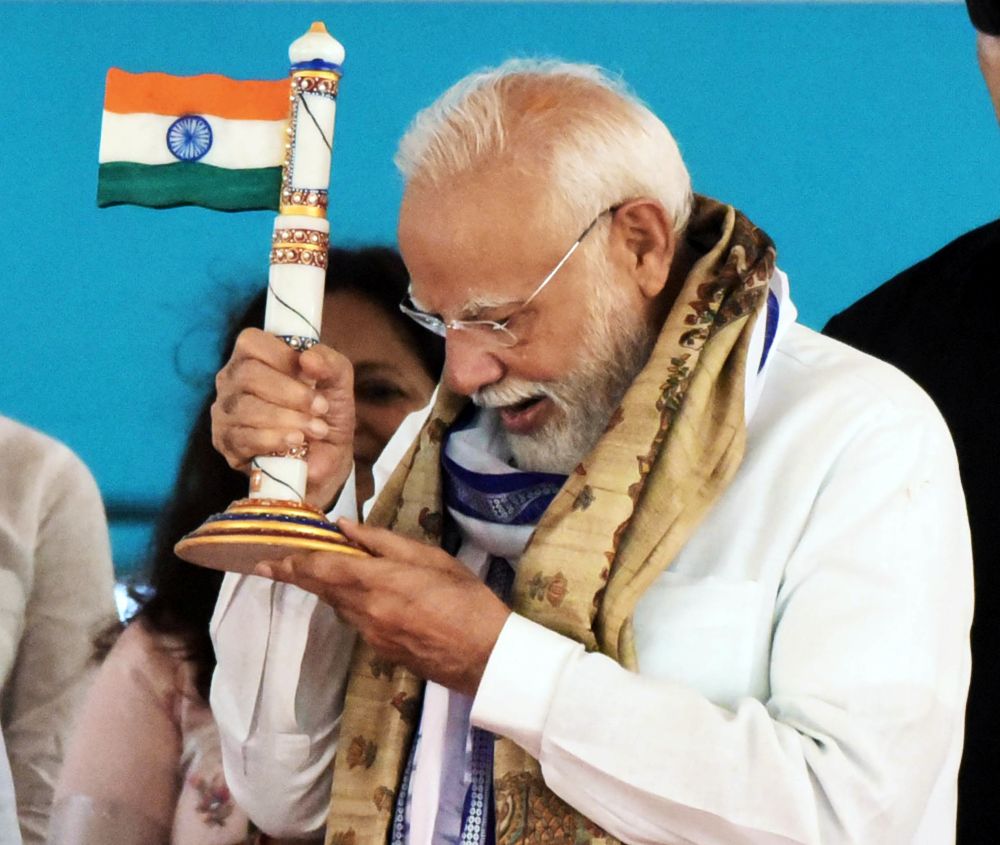
India’s official statements have been cautious, emphasizing restraint and dialogue. In a recent communication, Narendra Modi expressed “deep concern over the deteriorating security situation” and reiterated the need for stability. Yet, beyond such statements lies a deeper question: can India act as a mediator?
The answer is uncertain. India’s strategic autonomy and its relatively balanced relations with multiple actors could, in theory, position it as a credible interlocutor. However, mediation requires not just neutrality but also acceptance by the warring parties — something that is far from guaranteed in the current climate of mistrust. Moreover, without a broader international push for dialogue, any unilateral effort may have limited impact.
The larger issue, then, is not simply the absence of a mediator but the absence of a diplomatic framework itself. There is no clear process, no convening platform, no sustained initiative aimed at de-escalation. This vacuum is perhaps the defining feature of the current crisis.
If the conflict continues to spread, the consequences could be profound. Beyond immediate humanitarian costs, there is the risk of a long-term fragmentation of the global order. Trade routes could be disrupted, alliances reshaped, and multilateral institutions further weakened. The normalization of conflict — without even the pretense of negotiation — may set a dangerous precedent.
In such a scenario, the world risks drifting into a paradoxical state: one where war is frequent but not formally declared, and diplomacy is invoked but rarely practiced. It is neither an era of peace nor one of structured conflict resolution.
To reverse this trajectory, a renewed commitment to diplomacy is essential — not as rhetoric, but as practice. This would require major powers to invest political capital in dialogue, regional actors to prioritize de-escalation over assertion, and institutions to reclaim their role as facilitators of negotiation.
The alternative is a world where crises are managed only through force and deterrence — a world that is perpetually on edge, yet incapable of meaningful resolution.
In that sense, the current moment is not just a test of strategic choices, but of political imagination. Whether the international community can rediscover the value of diplomacy may well determine whether this becomes an era defined by conflict — or one that, despite its turbulence, finds a way back to dialogue.