

As Washington reassures, Beijing courts, and Delhi recalibrates, the world stumbles into a messy multipolar transition
Indian Interest by SHOBHAN SAXENA
The old world order is not collapsing in one dramatic moment. It is fraying in full public view.
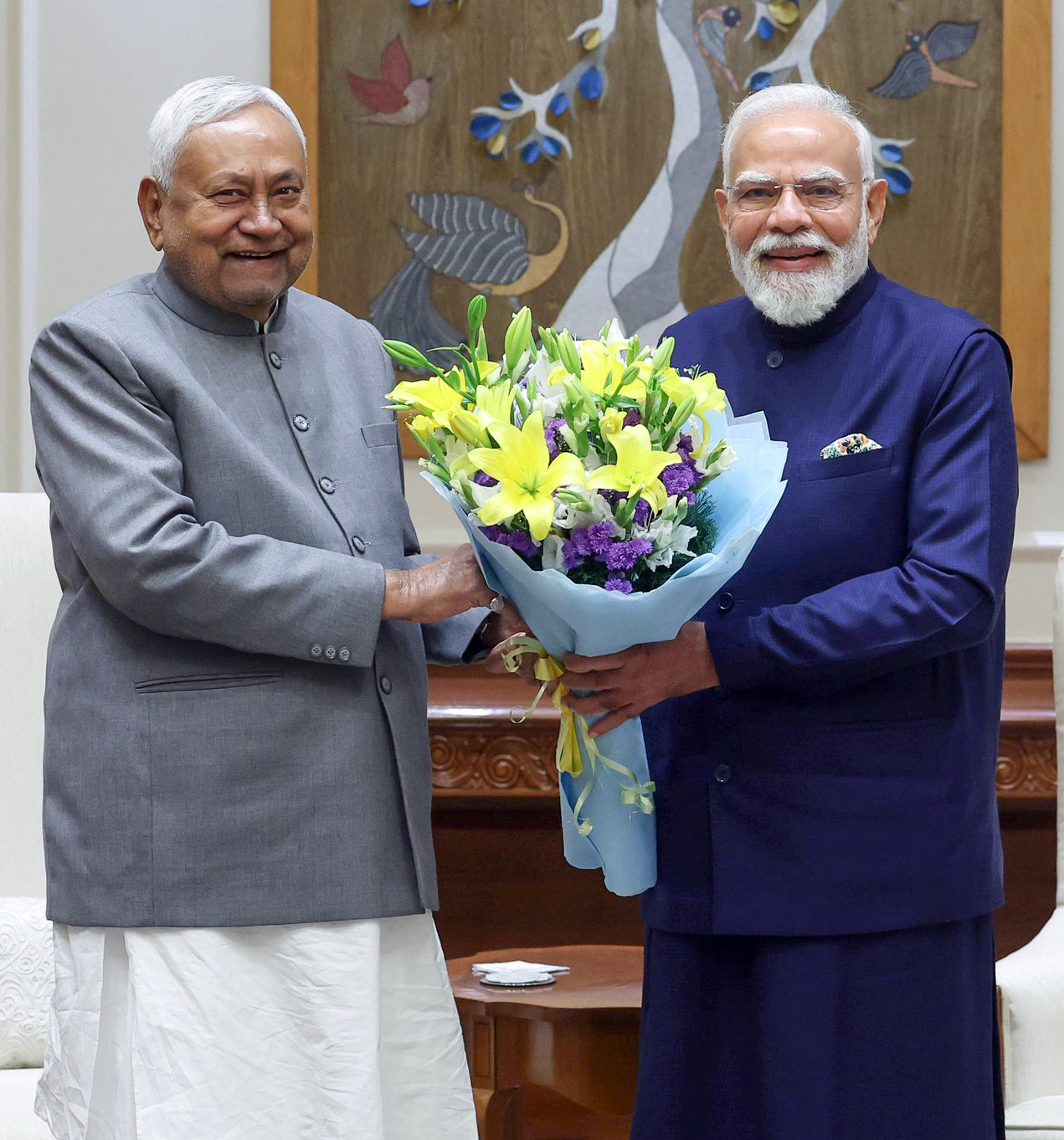
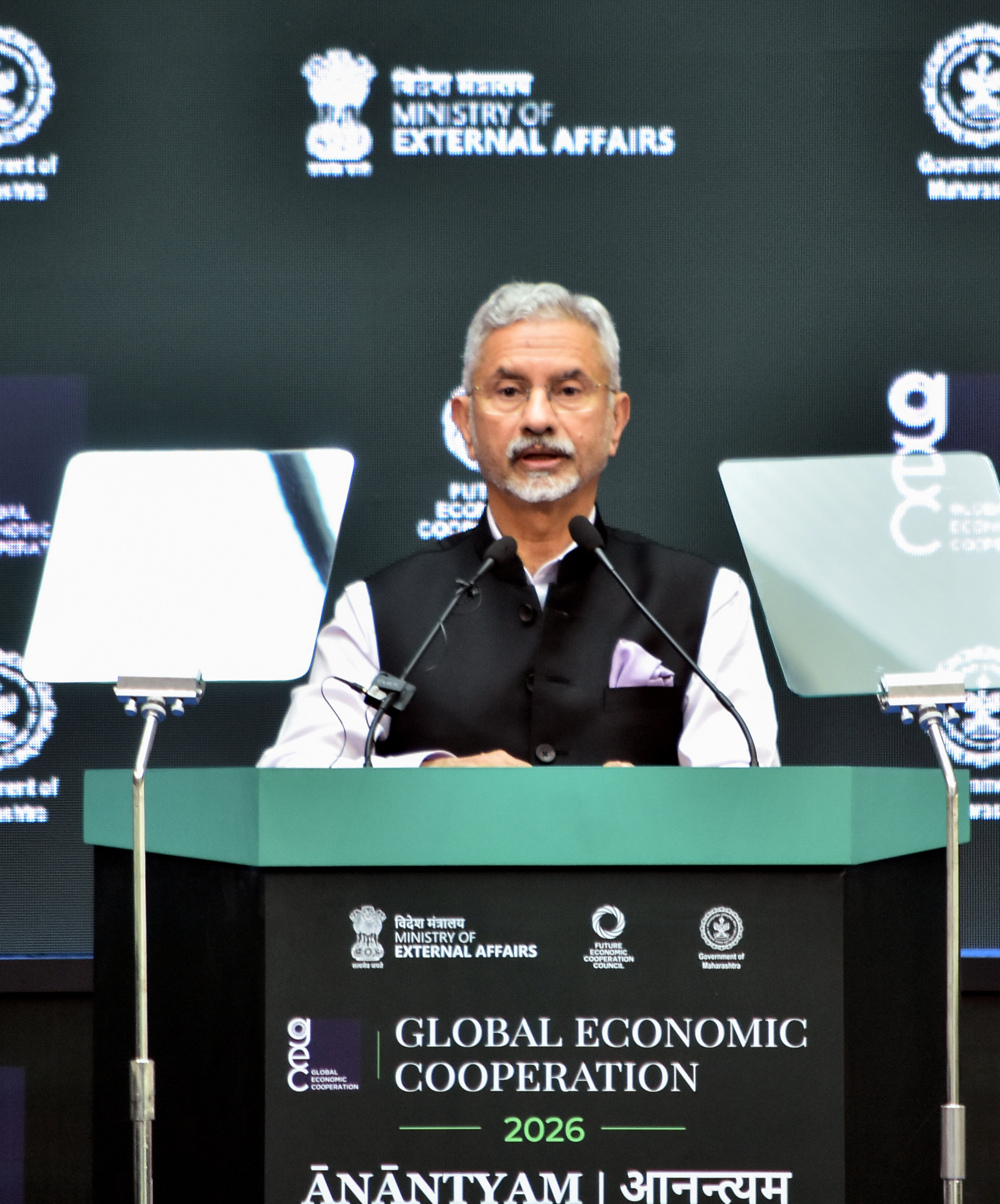
In Mumbai this week, India’s External Affairs Minister S. Jaishankar offered a characteristically unsentimental diagnosis. The global system, he said, is entering a “messy” and “unpredictable” transitional phase. “The established global order is clearly changing before our very eyes. Replacements are hard to create, and we appear to be headed for a long twilight zone. This will be messy, risky, unpredictable, perhaps even dangerous.”
Jaishankar’s choice of words — twilight zone — is telling. The post-1945 order, anchored in American primacy, Western institutions and the rhetoric of a “rules-based” system, is no longer uncontested. But nor has a coherent alternative emerged. What we see instead is overlap: fragments of the old coexisting uneasily with experiments of the new.
Even as Jaishankar spoke in Mumbai, the stage in Munich told its own story of flux. Minutes after U.S. Secretary of State Marco Rubio proclaimed at the Munich Security Conference that the United States and Europe “belong together,” Chinese Foreign Minister Wang Yi stood at the same podium with a different appeal: “China and the EU are partners, not rivals.”
The choreography was striking. Washington reassuring Europe that the transatlantic bond remains intact. Beijing positioning itself as a pragmatic partner rather than a systemic challenger. Both courting the same audience. Both aware that Europe is unsettled.
Rubio’s speech was conciliatory but edged with recalibration. The Trump administration, he suggested, remains committed to the alliance but believes Europe “needs to do more” and that the international system itself should be “rebuilt.” It was an admission, couched in reassurance, that even America sees the existing architecture as no longer fit for purpose.
Wang Yi’s pitch was smoother. If China and the EU “firmly grasp” that they are partners, he said, they can “prevent the international community from moving toward division and promote the continuous progress of human civilization.” Beijing’s message is clear: in a world of American unpredictability, China offers steadiness — or at least an alternative.
Behind these competing overtures lies a more profound shift. As Jaishankar observed, aspects of the current global order will coexist with elements of the new one. But the balance is tilting. “Economics would increasingly give way to politics and security in decision-making,” he warned, while technology — especially in the age of artificial intelligence — would become ever more transformative.
The era when trade liberalization was treated as an almost sacred good is over. Geopolitics now trumps globalization. Supply chains are scrutinized for strategic vulnerabilities. Semiconductors, rare earths, AI models — these are not just commercial assets but instruments of national power.
This is what a multipolar world looks like in its formative stage: contested, transactional, and anxious.
India’s own positioning reflects this reality. Delhi engages the Quad but remains in BRICS. It deepens ties with Washington even as it buys discounted Russian oil. It speaks the language of the Global South while negotiating technology partnerships with advanced economies. Multipolarity, for India, is not a slogan but a survival strategy.
Yet the old order is not yielding quietly. The United States still commands unmatched military reach. The dollar remains dominant. NATO, for all the strain, endures. Europe, shaken but not severed from Washington, continues to anchor itself in the Atlantic alliance even as it explores “strategic autonomy.”
This is the paradox of our time: a system widely acknowledged as exhausted is still powerful enough to resist displacement.
At the same time, the “rules-based order” — long invoked as a moral framework — is visibly eroding. Western allies now openly declare that the era of US-backed global security and rules is over. Sanctions regimes proliferate but are selectively applied. International law is cited fervently in some conflicts and muted in others. The credibility gap has widened.
For many in the Global South, this is less a sudden crisis than a delayed reckoning. The rules, they argue, were never entirely neutral. Institutions reflected power hierarchies frozen in 1945. Calls for reform of the UN Security Council, the IMF, and the World Bank have echoed for decades. Now, as Western dominance wanes, those demands grow sharper.
But the alternative is not yet clear. A genuinely multipolar order requires not just multiple poles of power, but shared understandings of restraint and responsibility. Without that, multipolarity risks degenerating into fragmentation.
The contest unfolding between Washington and Beijing over Europe is only one theatre in a broader race — as observers in Munich noted — “to shape what comes next.” Will the new order be rebuilt around reformed Western institutions? Or will parallel structures — BRICS banks, regional trade blocs, technology spheres — gradually hollow them out?
Jaishankar’s warning of a “long twilight zone” suggests that clarity will not come soon. The transition will be uneven. Crises will accelerate some shifts; inertia will slow others. Alliances will be tested; new alignments will form. In this in-between era, diplomacy becomes a high-wire act. Nations must hedge without alienating, diversify without destabilizing, and assert without overreaching.