


Our Bureau
Minneapolis, MN
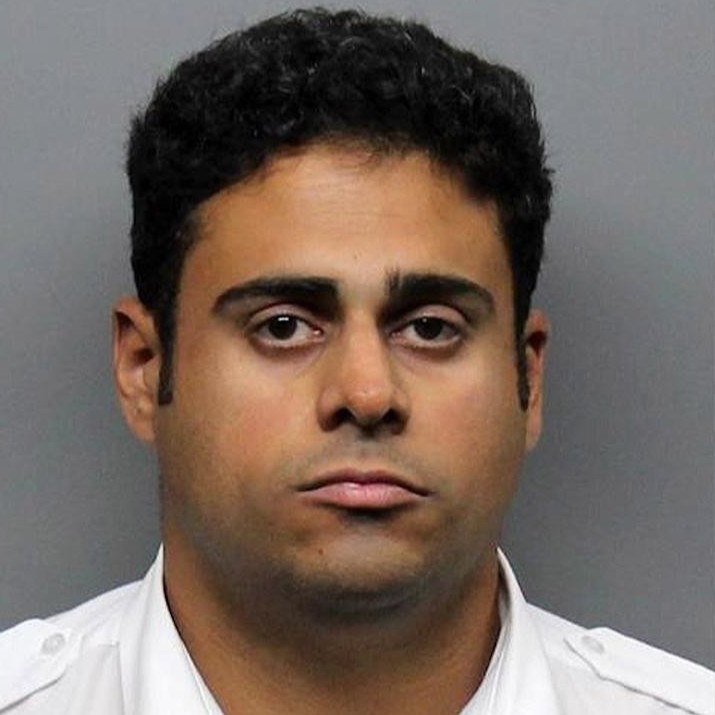
A 47-year-old man named Karan Gupta has been found guilty after a six-day trial on multiple counts, including fraud and money laundering conspiracy, for hiring an unqualified friend for a position where the friend did no work and paid half his unearned salary in kickbacks to Gupta, whose fraud totalled more than $1.2 million.
“Those who manufacture fraudulent schemes to appropriate money from legitimate businesses must be held accountable for their criminal conduct,” said US Attorney Rosen.
“Kickback schemes and no-show jobs undermine legitimate businesses, and the perpetrators must suffer the consequences of their actions,” Rosen added further.
“Mr Gupta abused his position of trust as the Senior Director of a subsidiary of the largest healthcare provider in the United States to defraud his company by hiring a ghost employee for a fictitious position, so that he could collect hundreds of thousands of dollars in kickbacks over many years,” said Rick Evanchec, the Acting Special Agent in Charge of the FBI’s Minneapolis Field Office.
“The FBI is committed to holding those in positions of power accountable, particularly when the cost of their actions is ultimately passed along to hard working Americans,” Evanchec said further.
In 2015, Gupta recruited and approved the hiring of a lifelong friend to work at Optum in a managerial data engineering position for which the friend was unqualified. Gupta gave the friend a false resume, which the friend used to secure the position. Gupta became his friend’s supervisor. Then, for almost four years, the friend did no work at all for Optum, all while collecting a salary that began above $100,000 and increased with raises and bonuses each year. The friend met no one else at Optum, sent almost no emails, and regularly did not log into his Optum computer for weeks on end.
At Gupta’s demand, his friend paid Gupta more than half of his unearned Optum salary in kickbacks. Gupta and the friend also agreed on a plan to conceal the kickback payments. Initially, the friend, who lived in New Jersey, would withdraw the kickback payments from his bank account in cash, using the fraud proceeds, then deposit the cash in a New Jersey branch for Gupta’s bank, so that Gupta could access the funds in California. Later, the friend opened a new checking account, designated that checking account to receive the Optum direct deposits, and sent Gupta the debit card, which Gupta then used to withdraw the fraud proceeds in cash from ATMs in California.