


Dr. Tushar B. Patel, President – Health Camp of New Jersey
According to the Centers for Disease Control and Prevention (CDC), heart disease remains the leading cause of death in the United States. February is dedicated to raising awareness about heart disease, educating on dangers, recognizing warning signs, and taking steps toward better heart health.
Heart Disease by the Numbers
The impact of heart disease is staggering:
• Heart disease remains the leading cause of death in the U.S. in 2023. Cardiovascular diseases (including heart disease and stroke) accounted for 919,032 deaths — a rate of about 1 death every 34 seconds. Heart disease by itself is the largest contributor within this category.
• Heart disease is still the #1 cause of death for both men and women. While detailed sex breakdowns for 2023 aren’t always published in summary tables, historically more than half of heart disease deaths occur in men.
• The most common form of heart disease, coronary heart disease (CHD), caused about 349,470 deaths in 2023 (down from prior years).
• Approximately 805,000 Americans have a heart attack each year — with about 605,000 first-time heart attacks and 200,000 recurrent heart attacks.
• Someone in the U.S. has a heart attack about every 40 seconds before you finish reading this article, and 1 in 5 heart attacks is silent (meaning the person doesn’t recognize it at the time).
• Heart disease remains extremely costly: total cardiovascular disease (including heart disease and stroke) cost the U.S. about $168 billion in 2022, including healthcare services and medications (and broader cost estimates including lost productivity and indirect costs are higher).
Warning Signs of Heart Disease
Early recognition and quick action can save lives. Many sudden cardiac deaths occur outside hospitals, often because warning signs are ignored or misunderstood.
Common symptoms include:
- Chest pain or discomfort
- Pain or discomfort in the arms, back, neck, jaw, or upper stomach
- Shortness of breath
- Nausea, lightheadedness, or cold sweats
Most people associate heart attacks only with chest pain, but knowing all the symptoms—and calling 911 immediately—is what truly saves lives.
Remember: Knowledge is power. Acting early matters.
Risk Factors You Should Know
About half of all Americans have at least one of the three major risk factors for heart disease:
- High blood pressure
- High LDL (bad) cholesterol
- Smoking
Other conditions and lifestyle factors that increase risk include:
- Diabetes
- Overweight and obesity
- Poor diet
- Physical inactivity
- Excessive alcohol use
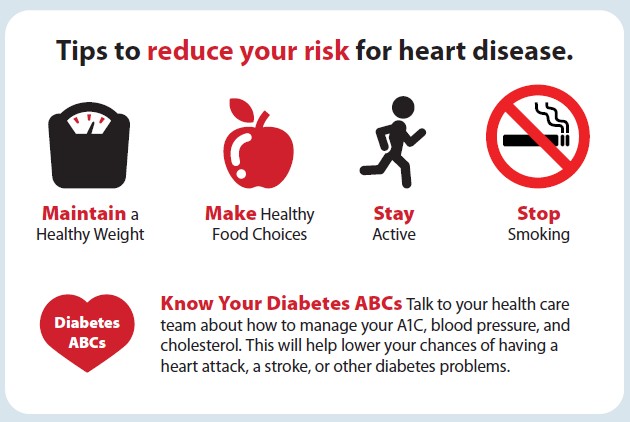
Good News: Heart Disease Is Often Preventable
The silver lining is that heart disease risk can be significantly reduced. Here are four effective ways to protect yourself and your loved ones:
- Consult your doctor regularly, follow medical advice, and take prescribed medications as directed.
- Eat a heart-healthy diet—low in salt, total fat, saturated fat, and cholesterol, and rich in fresh fruits and vegetables.
- Exercise regularly, such as a brisk 30-minute walk, at least five days a week.
- Don’t smoke. If you do, quit as soon as possible. For help, visit smokefree.gov or cdc.gov/tobacco.
A Final Reminder
Prevention is the best approach to heart disease. It reduces long-term complications and helps you live a healthier, more productive life.
If you or a loved one experiences chest pain, excessive sweating, shortness of breath, or any suspected heart-related symptoms, do not drive to the hospital—call 911 immediately. The sooner medical care begins, the better the chances of survival and recovery.
This February, let’s commit to heart health. What you’ve learned today could save a life—possibly your own or someone you love.
Source: Centers for Disease Control and Prevention (CDC)