

Our Bureau
Dhaka
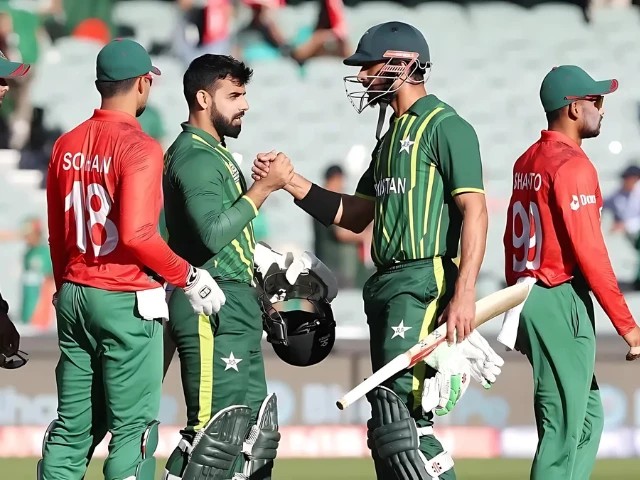
Pakistan’s decision to boycott their high-profile group-stage T20 World Cup 2026 match against India has ignited controversy, with sections of the Bangladesh Cricket Board (BCB) expressing dismay over potential financial fallout. The move, seen as solidarity with Bangladesh after their ouster from the tournament, underscores deepening tensions in global cricket amid venue disputes.
Bangladesh was removed from the event after refusing to play matches in India, requesting relocation to co-host Sri Lanka, a demand rejected by the ICC, which issued a 24-hour ultimatum and replaced them with Scotland. Pakistan Cricket Board chief Mohsin Naqvi confirmed the team would participate overall but skip the India clash, following government clearance. A senior BCB official lamented: “If the India-Pakistan match does not take place, the entire cricketing world will face financial losses. Even our dividend will decrease. We did not want such losses.”
The boycott’s intent is apparent, with the BCB source noting Pakistan aimed “to send a strong message to Indian cricket” and challenge its dominance.
While the episode threatens revenues from cricket’s most-watched fixture with the tournament hanging in balance, it exposed cricket’s geopolitical fault lines.