

As Bangladesh heads toward a decisive election next month, rising communal tensions, attacks on minorities and fears over law and order are deepening a national crisis under the interim government.
Our Bureau
Dhaka / New Delhi
Bangladesh is facing one of its most volatile moments in recent years, with communal anxieties, political uncertainty and questions over the credibility of upcoming elections converging into a deepening national crisis. Incidents of violence against minorities, concerns voiced by civil society and growing international scrutiny have placed the interim administration under intense pressure just weeks before the country goes to the polls on February 12.
The latest flashpoint came from eastern Bangladesh’s Sylhet district, where a fire broke out at the home of Bikash Ranjan Deb, a Hindu schoolteacher in Gowainghat, on January 16. While local police and the homeowner himself said the blaze was caused by an electrical short circuit, the incident occurred against the backdrop of a broader wave of communal violence that has unsettled minority communities across the country. Deb told authorities that belongings worth nearly five million takas were destroyed, though he stressed that he held no one responsible and noted that Hindus and Muslims in the area had long lived peacefully.
Despite these assurances, such incidents have acquired heightened political and social significance in the current climate. Reports of attacks on Hindu homes, temples and businesses in several parts of Bangladesh have triggered alarm domestically and abroad, feeding fears that minorities are increasingly vulnerable amid political instability.
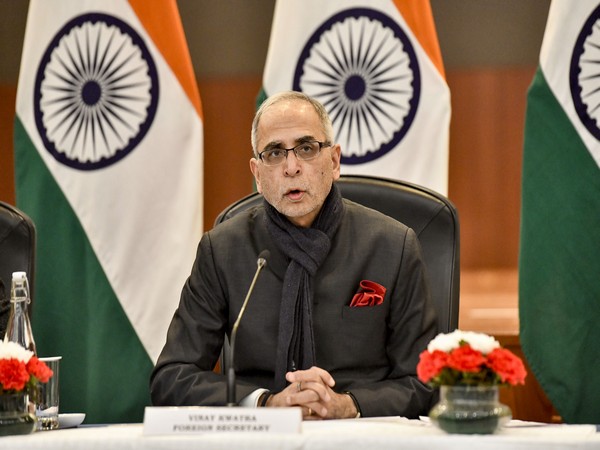
India has publicly expressed concern over what it described as a “disturbing pattern” of recurring attacks on minorities. Ministry of External Affairs spokesperson Randhir Jaiswal said New Delhi continues to closely monitor the situation and stressed that communal incidents in Bangladesh must be dealt with “swiftly and firmly.” His remarks reflect growing unease in the region over the potential spillover effects of instability in Bangladesh.
At home, the security situation has become a central issue as the country prepares for its first general election since the dramatic July 2024 uprising that ended Sheikh Hasina’s long rule and brought down the Awami League government. Following her ouster and departure from the country, an interim administration headed by Nobel laureate Muhammad Yunus was formed, with a mandate to stabilize the nation and oversee credible elections.
Election expert Munira Khan, who has worked for decades on electoral reforms in Bangladesh, says the public mood is a mix of hope and anxiety. “This time, I feel there is a different atmosphere in Bangladesh,” she said, noting that citizens are yearning for an “unflawed, credible election that is accepted by everyone.” At the same time, she warned that law and order concerns are weighing heavily on voters and observers alike. “We are not even one month away from the election, and people are wondering whether the law-and-order situation will allow a fair election to take place,” she added.
Khan also cautioned that there are elements opposed to a transparent electoral process, though their identities and motives remain unclear. Failure to hold an acceptable election, she warned, could have severe consequences for the country’s democratic future. “This is the last chance to have a good and fair election. If we don’t, we all will be very disappointed,” she said.
The political landscape remains deeply fractured. The Awami League, despite retaining significant popular support—estimated by some at around 30 per cent in opinion polls—has been barred from contesting the upcoming elections, a move that critics argue undermines inclusivity. At the same time, Islamist groups are reported to be pushing for a referendum to fundamentally alter Bangladesh’s constitution, further heightening fears among secularists and minorities.
International concern has been mounting. In the United Kingdom, Conservative MP Bob Blackman raised the situation in Bangladesh during a parliamentary debate, citing reports of Hindu men being murdered, homes and temples burned, and minorities facing systematic persecution. He questioned how elections could be described as free and fair when a major political party is excluded and extremist forces appear emboldened.
Other UK lawmakers echoed these concerns while reaffirming support for peaceful, credible elections and the protection of human rights. British officials have said they are engaging with the interim government and have welcomed its stated commitments to minority safety, while condemning all forms of religious or ethnic violence.
For the Yunus-led interim administration, the challenge is formidable: restoring public confidence in law enforcement, ensuring minority protection, and delivering an election that is both inclusive and credible, all within a compressed timeframe. Each new incident—whether politically motivated or accidental—risks further inflaming tensions in an already polarized society.
As Bangladesh approaches February 12, the stakes could hardly be higher. The coming weeks will test not only the capacity of the interim government to maintain order, but also the resilience of the country’s democratic institutions at a moment many see as pivotal for its future.