

As Washington hardens its stance on Iran with threats of military action and punitive tariffs, India faces a complex geopolitical and economic squeeze that could undermine its regional interests, trade competitiveness and already-strained ties with the United States
Our Bureau
New Delhi / Washington, DC
India’s decision to advise its nationals to leave Iran amid rapidly escalating tensions is more than a routine consular precaution. It is an early signal of how a potential US war on Iran — combined with President Donald Trump’s aggressive tariff policy — could negatively impact New Delhi’s economic interests, regional strategy and delicate relationship with Washington. While India has publicly sought to downplay the immediate trade impact, the broader implications of conflict and coercive economic measures are far more consequential and long-term.
Rising tensions and concerns
The Ministry of External Affairs (MEA) confirmed this week that around 9,000 Indians are currently in Iran, most of them students, and that multiple advisories have been issued urging them to leave the country by “whatever means are available.” MEA spokesperson Randhir Jaiswal said India was “closely tracking developments” and was “committed to doing whatever is necessary” for their well-being.
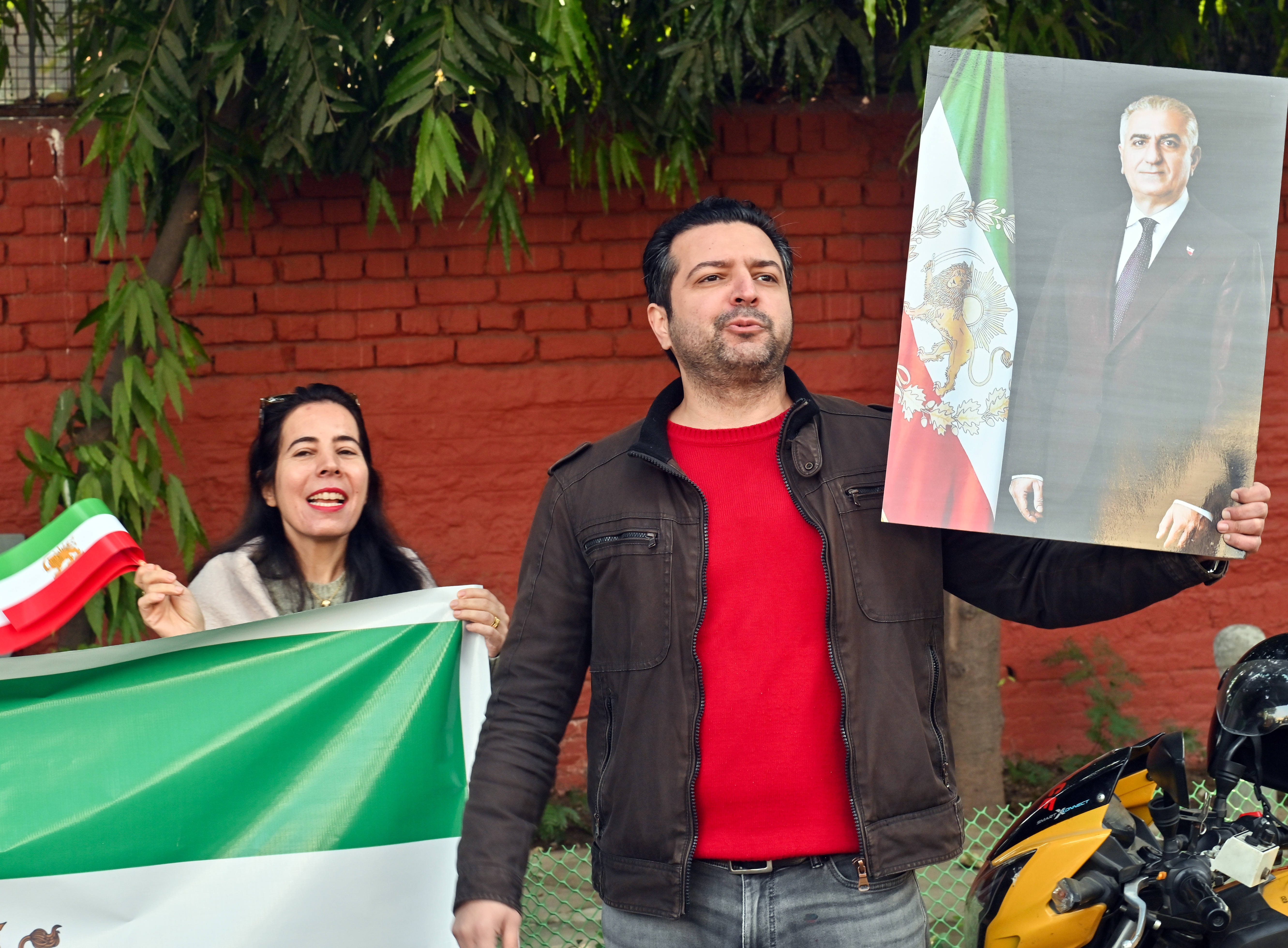
These advisories come against the backdrop of widespread anti-government protests in Iran, a deepening economic crisis marked by inflation and currency collapse, and increasingly explicit threats from US President Donald Trump. Trump has warned of “very strong action” against Tehran if protesters are harmed or executed, and has openly encouraged demonstrators, saying that “help is on the way.”
For India, the immediate humanitarian concern for its citizens is intertwined with a much larger strategic dilemma: how to protect its interests in Iran without triggering punitive action from Washington at a time when Indo-US relations are already under strain.
India’s ties with Iran are not ideological but deeply pragmatic. Tehran has long been a critical partner in India’s westward connectivity strategy, particularly through the Chabahar Port project. Conceived as early as 2003, Chabahar provides India a rare overland and maritime route to Afghanistan and Central Asia, bypassing Pakistan. It also forms a key node in the International North–South Transport Corridor (INSTC), linking India to Russia and Europe.
To operationalize this, Indian Ports Global Limited (IPGL) signed a long-term agreement with Iran’s Port & Maritime Organization, replacing the earlier 2016 pact that had been renewed annually due to sanctions uncertainty. Chabahar has already been used for strategic consignments, including 20,000 tonnes of wheat aid to Afghanistan in 2023.
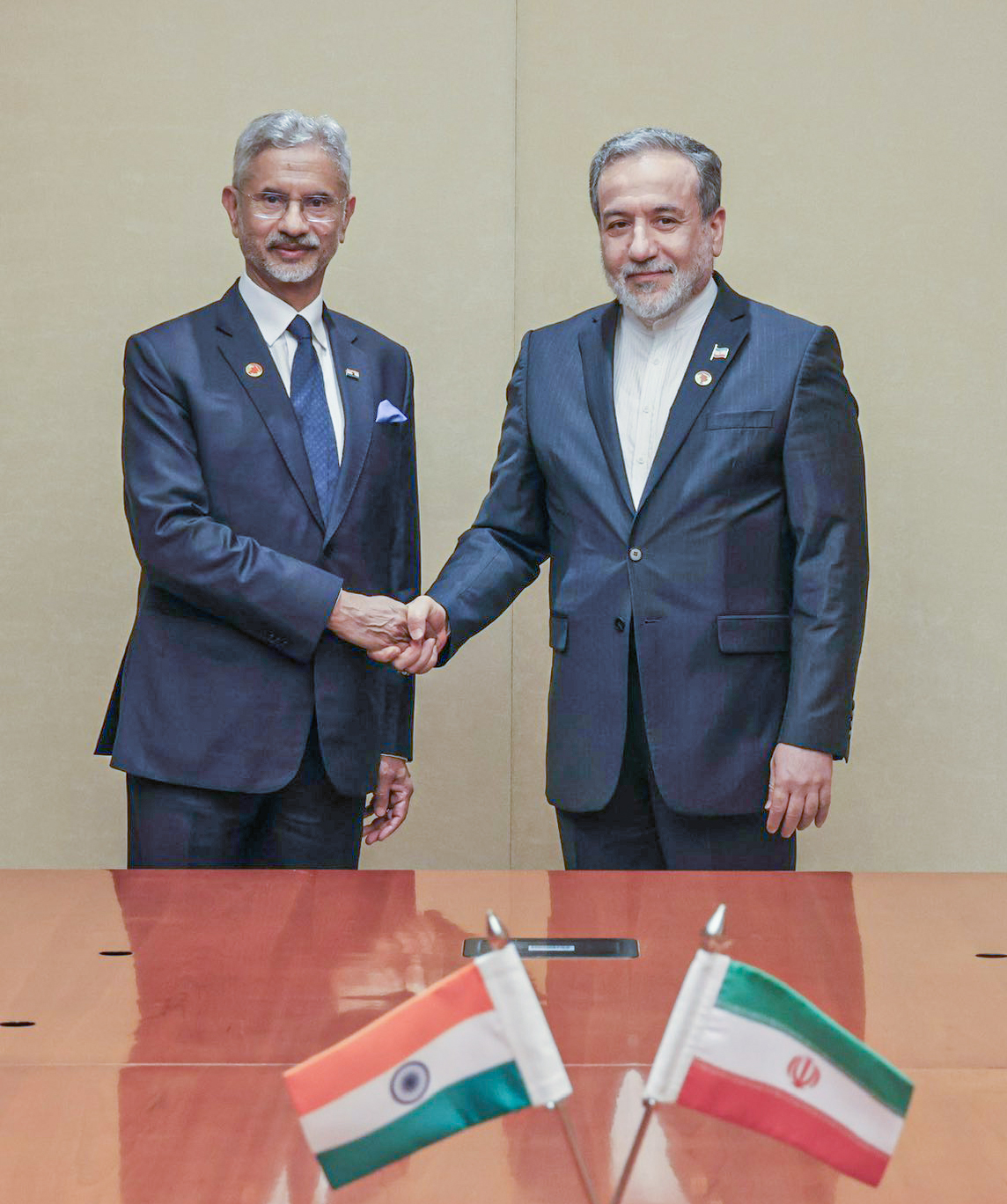
However, the project’s future now hinges on a conditional US sanctions waiver issued by the US Treasury on October 28, 2025, valid only until April 26, 2026. India has confirmed it is “engaged with the US side” to ensure continuity. But a full-scale US–Iran confrontation could easily render such waivers politically untenable.
If war breaks out, Chabahar — located not far from sensitive maritime routes — could be directly affected, disrupting India’s connectivity plans and undermining years of diplomatic investment.
The tariff shock
President Trump’s announcement that any country doing business with Iran would face a blanket 25 per cent tariff on “any and all business” with the US has added a sharp economic edge to the crisis. The Indian government has suggested the impact may be “minimal,” noting that India–Iran trade stands at about USD 1.6–1.68 billion, just 0.15 per cent of India’s total trade.
But critics argue this is a narrow and misleading assessment.
Congress MP and Standing Committee on Foreign Affairs Chairman Shashi Tharoor warned that the Iranian tariff cannot be viewed in isolation. “The 25 per cent was already a problem. Now, you have 25 per cent more for Russian sanctions which takes it up to 50 per cent and if there are 25 per cent more in Iranian sanctions, that it takes it up to 75 per cent,” he said.
“At 75 per cent, no Indian company will be viable in exporting to America,” Tharoor added, pointing out that India’s labor-intensive exports — gems and jeweler, marine products, leather and shrimp — already face tougher tariffs than competitors like Vietnam, Thailand, Indonesia, Pakistan and Bangladesh.
In effect, the Iran-linked tariff risks compounding existing trade disadvantages, making Indian exports uncompetitive in the US market and hollowing out sectors that employ millions.
War in the Gulf
Beyond tariffs, a US war on Iran would have far-reaching consequences for the entire region — and India is deeply exposed to that fallout. The Gulf remains India’s primary source of energy, a major destination for its exports, and home to over eight million Indian expatriates.
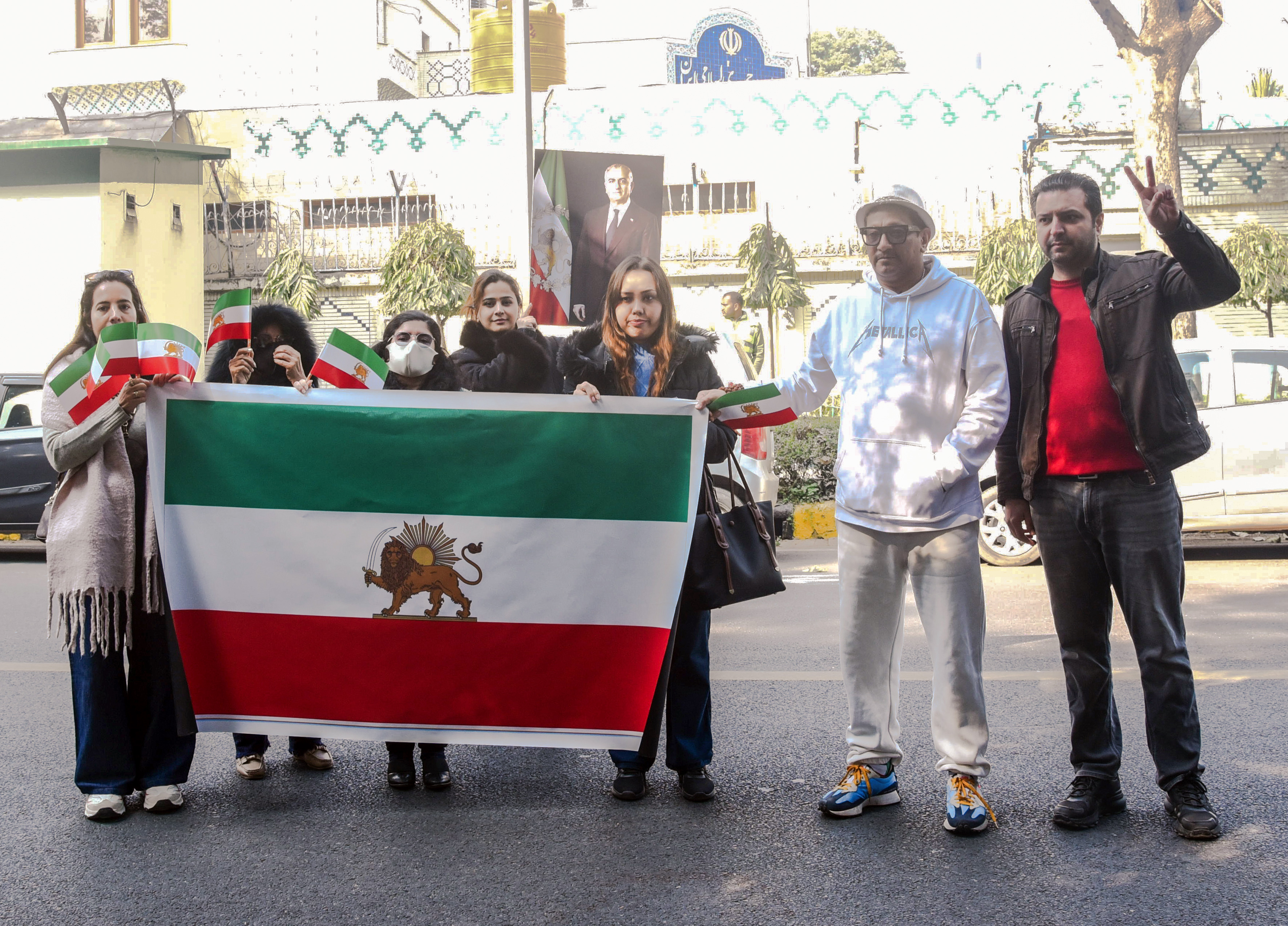
US allies in the Middle East — including Saudi Arabia, Qatar, Egypt and Oman — are reportedly engaged in an intense diplomatic push to avert military confrontation. According to CBS News, Gulf states have warned Washington that strikes on Iran could destabilize the region economically and militarily, while also cautioning Tehran against retaliatory attacks on US facilities.
These fears are not abstract. The Pentagon has already redeployed a US carrier strike group to the CENTCOM area, while personnel at Al Udeid Air Base in Qatar have been advised to leave as a precaution. Iran, for its part, has reportedly warned that certain countries could face missile strikes if the US attacks.
For India, any escalation could disrupt oil supplies, spike global energy prices, threaten shipping lanes through the Strait of Hormuz, and endanger Indian workers across the Gulf. Such shocks would directly hit India’s economy, inflation outlook and balance of payments.
The Iran crisis is unfolding at a time when Indo-US relations are already described by opposition leaders as “very turbulent.” Congress MP Jairam Ramesh has pointed to a “new abnormal” in ties, citing not only tariffs linked to Iran and Russia but also proposed US legislation targeting India’s trade practices.
Ramesh noted that US Senator Lindsey Graham is pushing a bill that could impose “vast new sanctions” on India for its ties with Russia, while another proposal seeks a 25 per cent tax on American companies making outsourcing payments. Together with Iran-linked tariffs, these moves suggest a hardening US posture that prioritizes coercion over accommodation — even with strategic partners.
Tharoor warned that at punitive tariff levels, “the strategic partnership ceases to have any meaning.” His remarks underline a growing concern in New Delhi that India is being asked to absorb economic pain without sufficient regard for its interests or constraints.
Balancing the strategy
India’s challenge is to navigate this crisis without alienating either side. Openly opposing Washington risks worsening trade and diplomatic ties; abandoning Iran undermines India’s regional strategy and long-term connectivity goals.
The stakes are further raised by Iran’s formal entry into the BRICS grouping, even as India assumes the bloc’s presidency in 2026. Any escalation involving Tehran would complicate New Delhi’s BRICS agenda, testing India’s ability to balance strategic autonomy with deepening engagement with the United States.
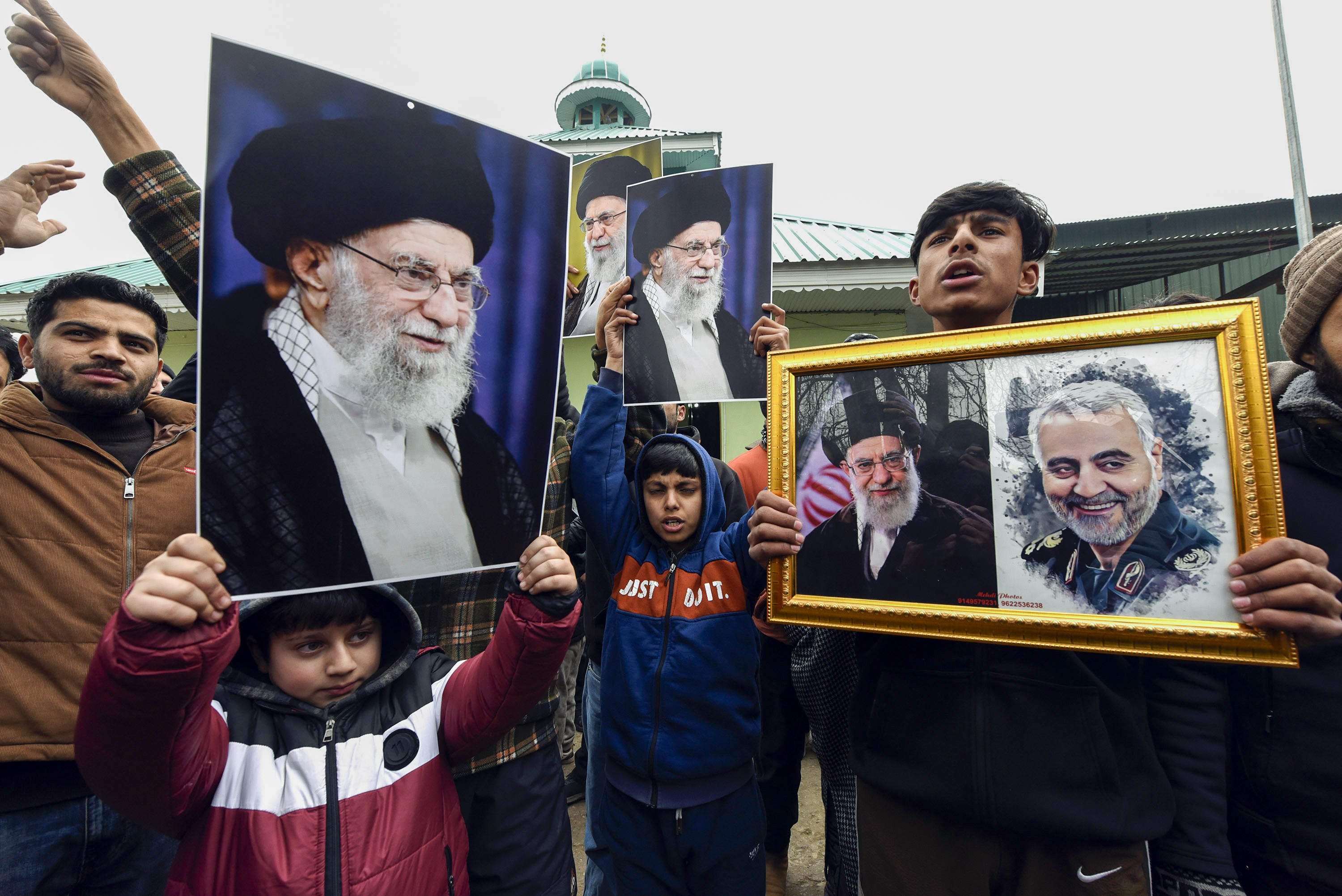
So far, New Delhi has opted for cautious engagement: urging its citizens to leave Iran, engaging the US on sanctions waivers, and publicly avoiding commentary on potential military action. This calibrated approach reflects India’s desire to keep diplomatic space open as events unfold.
Yet, the room for maneuver is shrinking. A US–Iran war would force harder choices, particularly if sanctions tighten further or if India’s assets and personnel in Iran and the Gulf are directly threatened.
The unfolding confrontation between the US and Iran illustrates how great-power rivalry and unilateral economic measures can entangle countries like India in difficult trade-offs. While India’s direct trade with Iran may be modest, its indirect exposure — through energy, regional stability, connectivity projects and cumulative tariffs — is substantial.
As Gulf diplomats have warned, once tensions spiral into open conflict, “there could be lots of consequences.” For India, those consequences would likely include economic shocks, strategic setbacks and a further erosion of trust in an already strained partnership with Washington.
Whether diplomacy prevails or confrontation escalates, the Iran crisis is fast becoming a defining test of India’s foreign policy balancing act in an increasingly unpredictable world.