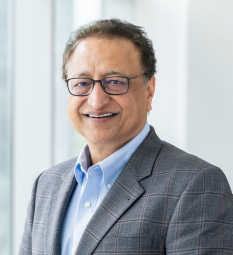


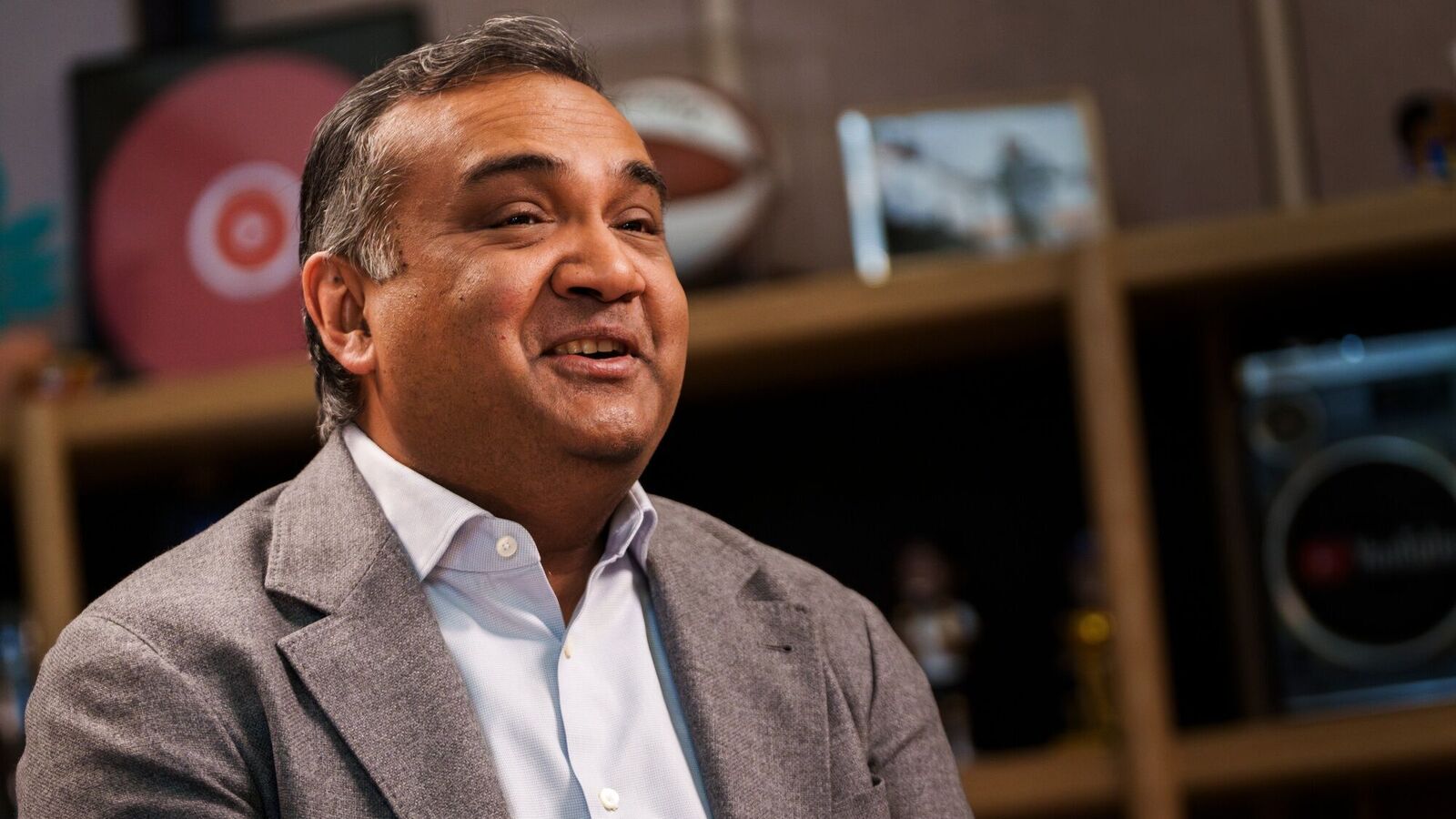
In 2025, Neal Mohan stood out as one of the most influential Indian American achievers in the United States, leading YouTube through its most ambitious phase while shaping the global future of media, culture, and the creator economy.
When TIME named Neal Mohan its 2025 CEO of the Year in December, the recognition captured more than individual success. It marked the arrival of an Indian American executive at the helm of one of the most powerful cultural platforms in human history. As CEO of YouTube, Mohan presided over the company’s 20th anniversary in 2025, guiding a platform that has become not just a media company, but a central infrastructure of the global attention economy.
Under Mohan’s leadership, YouTube in 2025 was no longer simply a video-sharing site. It was a technology platform, a television network, a creative marketplace, and a cultural force rolled into one. His achievement lay in maintaining YouTube’s dominance while reinventing it for a rapidly changing digital landscape defined by artificial intelligence, fragmented attention, and regulatory pressure.
At the start of 2025, Mohan laid out four strategic priorities that came to define his tenure during the year. The first was AI-powered creativity. Rather than positioning artificial intelligence as a threat to creators, Mohan framed it as a democratizing force. In September 2025, YouTube rolled out more than 30 new AI tools, including Gemini-powered script generation for Shorts and Veo 2 for background and visual creation. These tools dramatically lowered barriers for creators, enabling individuals and small teams to produce content at a scale and polish once reserved for studios.
The second pillar was what Mohan called the “new television.” By 2025, television had overtaken mobile as the primary device for watching YouTube in the United States, a shift that reshaped viewing habits. Mohan pushed aggressively to enhance the living-room experience, introducing interactive “second-screen” features that allowed viewers to engage with content on their phones while watching on TV. This strategy positioned YouTube not as a competitor to television, but as its evolution.
Creators remained at the heart of Mohan’s vision. He repeatedly described them as the “startups of Hollywood,” a phrase that captured both their independence and economic potential. In 2025, YouTube expanded monetization options far beyond advertising. More than half of the platform’s top-earning channels generated significant income from subscriptions, memberships, and shopping integrations. Under Mohan, YouTube increasingly functioned as a full-stack business platform for creators, not merely a distribution channel.
Live content and podcasts formed the fourth strategic bet. Mohan oversaw investments in real-time streaming workflows and AI-powered tools that converted audio podcasts into visual formats, making YouTube the default destination for podcast consumption. This move further blurred the lines between traditional media categories, consolidating YouTube’s centrality in digital culture.
The economic results of these strategies were striking. In the first three quarters of 2025, YouTube’s advertising revenue grew by 15 percent, while YouTube Premium and Music subscriptions rose by 25 percent. By late 2025, analysts estimated YouTube’s standalone valuation at between $475 billion and $550 billion—numbers that underscored Mohan’s stewardship of an enterprise larger than most publicly traded companies.
Mohan’s leadership also carried particular significance for India and the Indian American community. At the WAVES 2025 summit in Mumbai, he described India as a “Creator Nation,” revealing that YouTube had paid more than ₹21,000 crore to Indian creators and companies over the previous three years. His emphasis on India was not symbolic; it reflected YouTube’s role in enabling a generation of Indian entrepreneurs, artists, educators, and entertainers to reach global audiences without traditional gatekeepers.
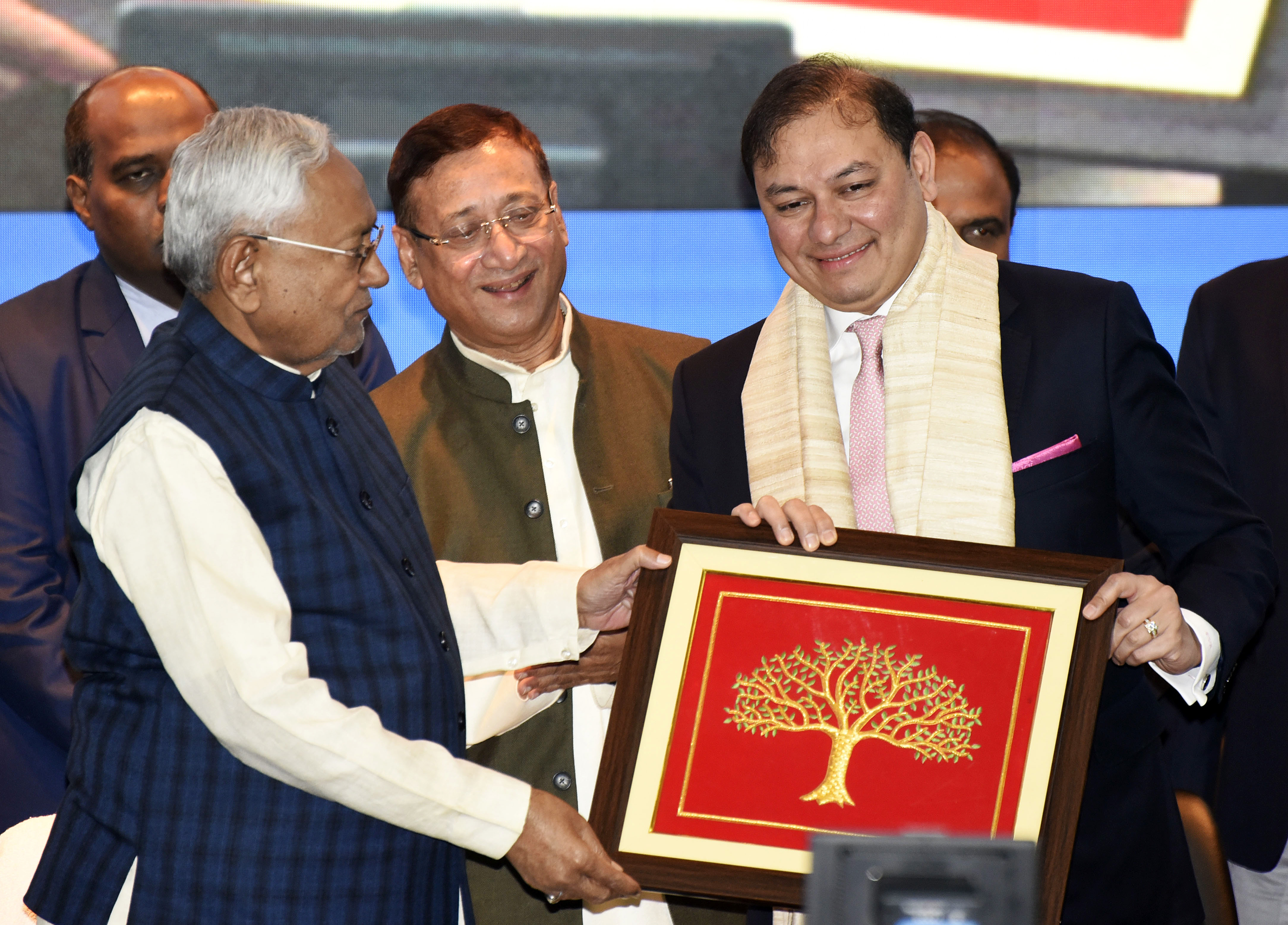
His recognition extended beyond TIME’s accolade. In India, Mohan was named Global Indian of the Year at the Economic Times Awards 2025, reinforcing his status as a bridge between Silicon Valley and India’s digital ambitions.
For Indian Americans, Neal Mohan’s success represents a distinct model of achievement. Unlike founders who build companies from scratch, Mohan rose through operational excellence, strategic clarity, and long-term vision. He demonstrated that Indian American leadership now occupies not just engineering backrooms, but the very center of global decision-making that shapes culture, commerce, and communication.
In 2025, Neal Mohan was not merely managing YouTube’s scale; he was defining how billions of people create, consume, and connect. His journey underscores how Indian American achievers are no longer peripheral contributors to American corporate life, but architects of its most powerful platforms—quietly, decisively, and at a truly global scale.