

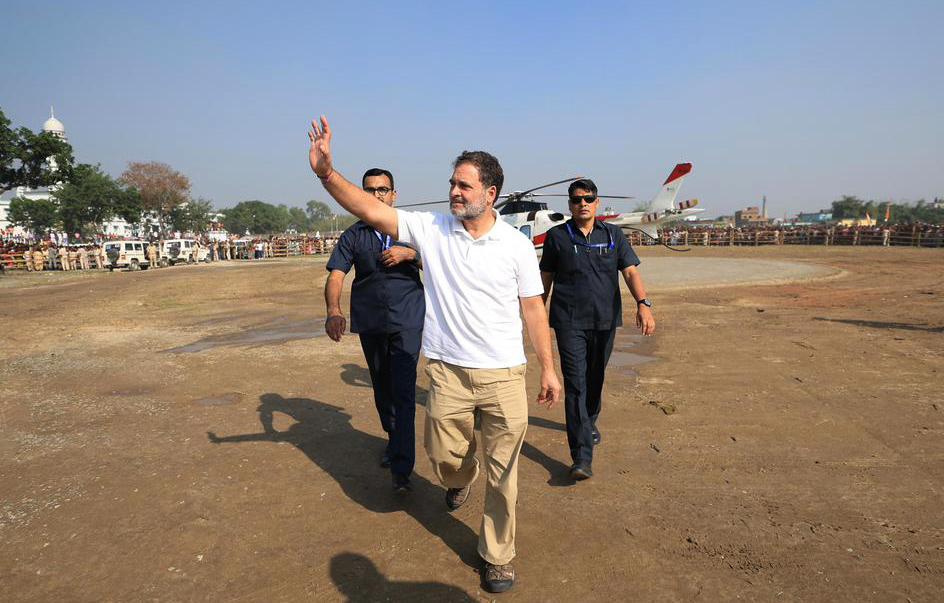
Congress’ crushing loss in Bihar has unleashed rare public anger against Rahul Gandhi, exposing deep fractures in the party’s leadership and strategy
Our Bureau
New Delhi / Patna
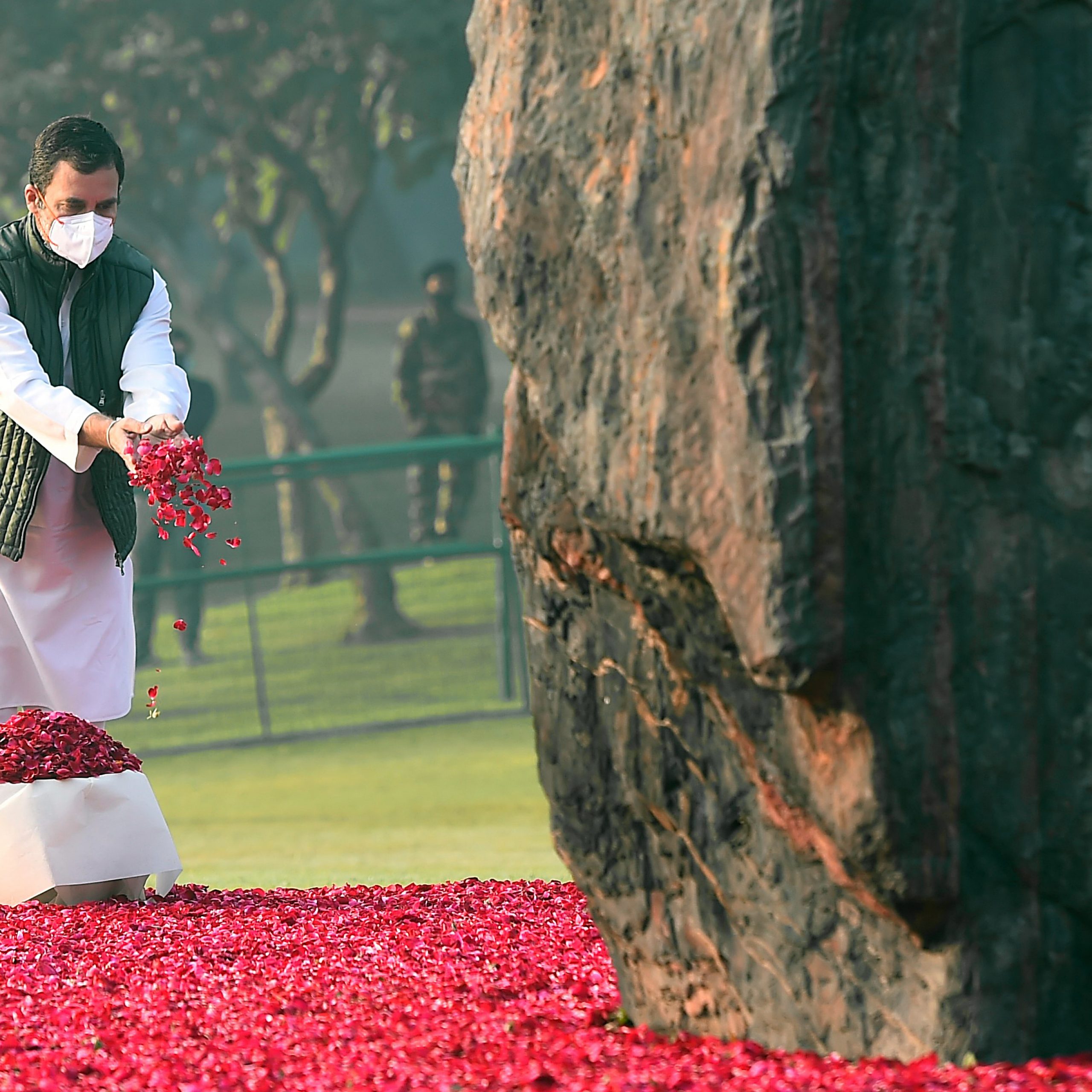
Rahul Gandhi has faced defeats before, but the backlash following the Bihar election is sharper, louder, and far more public than anything the Congress has weathered in recent years. The party’s collapse — six seats out of 61 contested — has turned into a referendum on Rahul’s leadership, with criticism pouring in from within the party, from defectors, and from political opponents who see the result as proof of a long-festering crisis at the top.
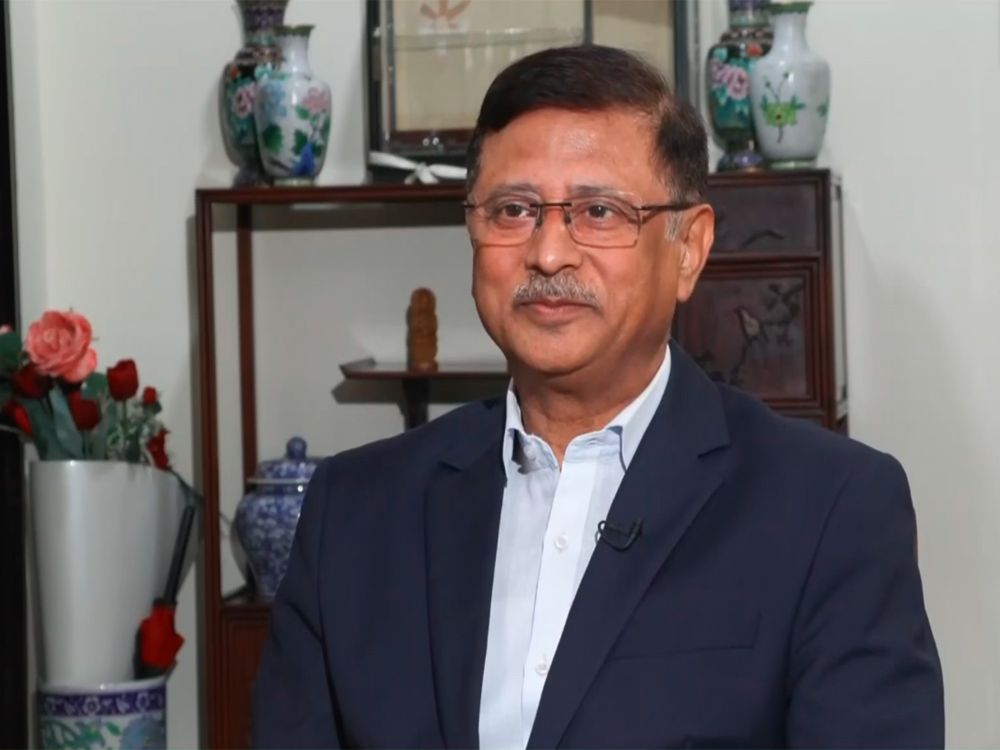
The first and most telling blow came from Congress leader Mumtaz Patel, who accused the high command of concentrating decision-making in “the hands of a few people” while ignoring workers who understand the ground. Her remarks — that dedicated cadres are “never acknowledged” and that the party talks about saving democracy while ignoring it internally — captured the frustration that has been simmering inside the organisation for years. While she praised Rahul Gandhi’s effort, she blamed his inner circle for repeated defeats, exposing a clear divide between the national leadership and the rank and file.
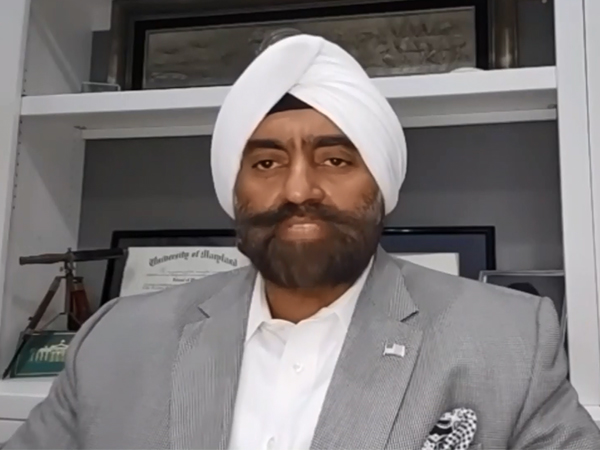
But the attack that truly rattled the Congress came from outside. Salman Nizami of the Ghulam Nabi Azad-led DPAP launched a blistering critique, declaring Rahul “not fit for politics” and urging him to resign. He mocked Rahul’s campaign style, foreign trips, and inability to connect with voters, claiming the Bihar result proved that Muslims and youth had stopped trusting the party. His remarks about Rahul playing with his dog during a meeting on Kashmir issues struck a deeply personal note — the kind of attack few dared make publicly until now.
The BJP, buoyed by the NDA’s sweeping victory, joined the chorus. Former Himachal Chief Minister Jairam Thakur accused Rahul of deflecting blame through claims of EVM tampering and “vote chori” even before results were announced. For the BJP, the Bihar verdict was an affirmation of Narendra Modi’s appeal. For Congress, it was a harsh reminder that the INDIA bloc cannot rely on moral arguments alone when voters demand strong leadership and coherent strategy.
The numbers deepened the humiliation. The NDA stormed past 195 seats; the BJP won 88, and the JD(U) 83. Even smaller NDA partners posted solid tallies. The Mahagathbandhan was reduced to 33 seats. Congress, which contested 61 seats, won just six — a performance that raised uncomfortable questions about whether it deserved its bargaining power within the alliance.
Rahul Gandhi’s own response — blaming an “unfair” election — failed to quell criticism. Many within the party believe such explanations no longer resonate with workers or allies. Congress President Mallikarjun Kharge tried to strike a conciliatory tone, accepting the mandate and assuring a “thorough study” of the defeat. But the promise of yet another review did little to ease internal tensions. Congress has conducted post-mortems after every major loss since 2014, yet structural reforms remain elusive.
The backlash reflects a deeper fear: that Rahul Gandhi’s leadership style — sincere but inconsistent, ideologically sharp but organisationally diffuse — is no longer enough to keep the party competitive. Critics say the Congress lacks a disciplined cadre, state-level leadership, and a clear message beyond the defence of the Constitution. Supporters argue he is fighting powerful institutions and a hostile ecosystem, but even they admit the party has failed to convert his mass outreach into electoral dividends.
The Bihar defeat has also strained relations within the opposition alliance. Partners whisper that Congress demands more seats than it can win, and its weak performance drags the bloc down. If the INDIA alliance is to present a viable challenge nationally, they argue, it must rethink its dependence on a party that has not shown electoral momentum in years.
For Rahul Gandhi, the political challenge now is not only to address the Bihar debacle but to confront the growing perception that Congress under his leadership is stuck in a loop — defeat, introspection, paralysis, repeat. The Bihar results have forced uncomfortable questions into the open: Who holds power within the party? Why are decisions taken by a small coterie? And how long can Congress continue without fundamental organisational reform?
The backlash he faces today is not about one election. It is about a decade of unresolved problems. Bihar has merely given his critics a decisive moment — and a louder microphone.