

Our Bureau
New Delhi
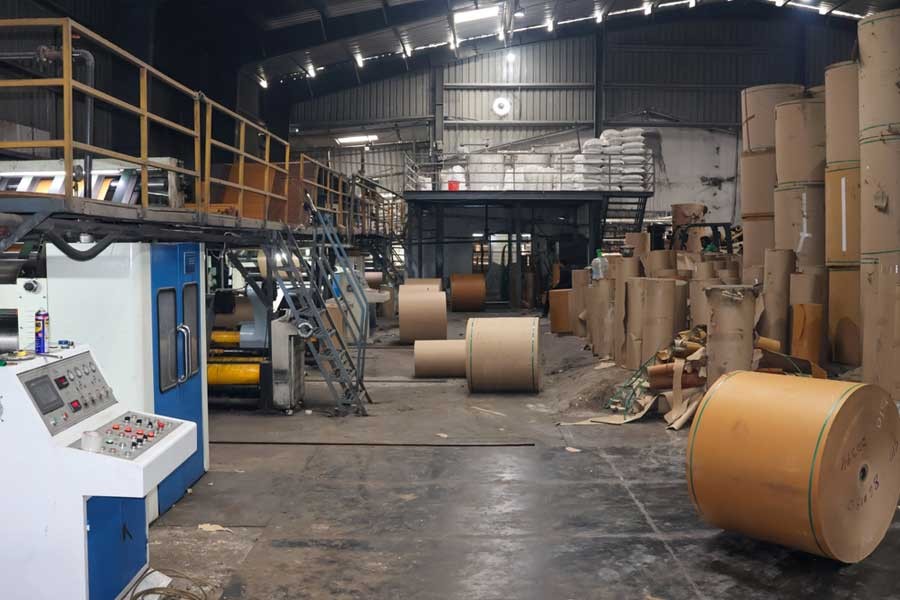
India’s manufacturing sector saw robust growth in October 2025, as strong domestic demand outweighed a slowdown in export orders, according to the latest Purchasing Managers’ Index (PMI) data released by HSBC and S&P Global.
The HSBC India Manufacturing PMI rose sharply to 59.2 in October from 57.7 in September, surpassing the preliminary estimate of 58.4. This marks the fastest pace of expansion in five years and signifies a strong improvement in manufacturing activity. The PMI is a composite index above 50 that indicates sector growth, with higher values reflecting faster expansion.
This growth surge was driven primarily by a sharp rise in new domestic orders fueled by buoyant demand, aggressive advertising, and positive expectations around Goods and Services Tax (GST) reforms. Manufacturers also increased output, matching the joint strongest production growth rate recorded in August 2025. Additionally, employment in the sector continued to grow for the twentieth consecutive month, reflecting the sustained strength of manufacturing.
Although export orders rose, their growth slowed to the lowest pace in ten months, underscoring the dominant role of domestic markets in October’s manufacturing uptrend. Manufacturers continued to invest in technology and raw materials, leading to a near-record expansion in input inventories to support production levels.
Input cost inflation fell to an eight-month low due to easing raw material prices. However, output prices charged by manufacturers increased at the joint highest rate in over a decade as companies passed on higher freight and labor costs to consumers amid persistent demand.
Looking ahead, business sentiment remains strong on expectations of ongoing GST reform benefits and robust market demand, supporting optimism for continued manufacturing sector expansion in the coming months.
In summary, India’s manufacturing sector strengthened significantly in October 2025, underpinned by vigorous domestic demand, technological investments, and GST incentives, despite moderate export headwinds and cost challenges.