

Caught between US sanctions, volatile markets, and its own surging energy needs, India is reshaping its energy policy — prioritizing affordable fuel, building its own shipping fleet, and asserting its independence
Our Bureau
New Delhi / Washington, DC / Moscow
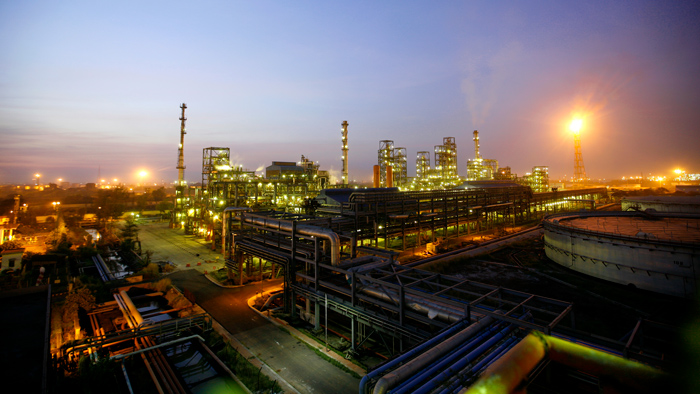
India’s energy story has always been inseparable from its economic ambitions. With the world’s fastest-growing major economy and a population of 1.4 billion, India’s development relies heavily on affordable and stable fuel supplies. Nearly 88 percent of its crude oil and more than half of its natural gas are imported, making global energy markets both a lifeline and a vulnerability. The import bill for crude alone crossed USD 150 billion in 2024–25 — a number that directly shapes inflation, the fiscal deficit, and growth projections. For New Delhi, energy security is not just an economic concern but a strategic imperative.
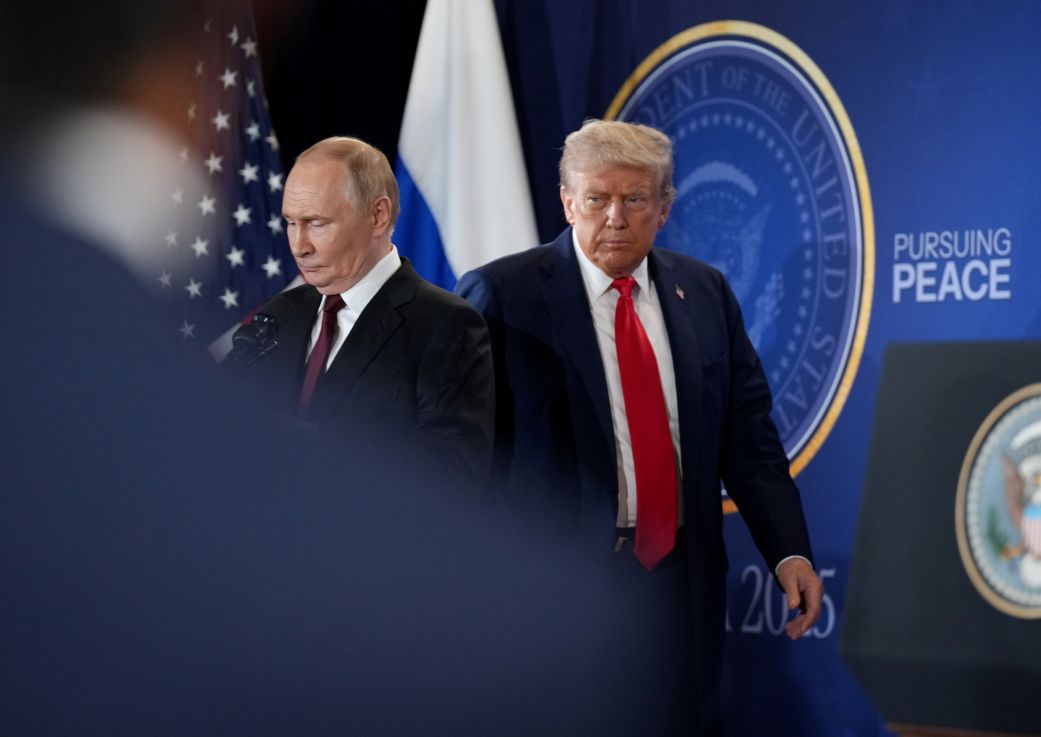
That is why the latest round of U.S. sanctions on Russia’s top oil firms, Rosneft and Lukoil, has placed India in a complicated position. Washington’s move to squeeze Moscow’s oil revenues — and by extension, its war chest for Ukraine — has forced India to recalibrate without conceding ground. Ministry of External Affairs spokesperson Randhir Jaiswal was unambiguous: India’s oil-purchase decisions will “continue to be guided by the needs of our 1.4 billion citizens and by market dynamics.” Discounted Russian crude has been crucial in cushioning India from global price shocks since 2022, and despite Western pressure, New Delhi has made it clear it will act according to its national interests. The United States has so far avoided penalizing India directly, recognizing its central role in global energy stability, but secondary sanctions on shipping and insurance networks have already disrupted some trade flows. Several Indian refiners have paused deals with Russian suppliers now under sanction, though officials insist that diversification — not disengagement — remains the plan.
Sanctions and Exemptions
Washington’s approach to India has been one of pressure mixed with pragmatism. Even as the U.S. Treasury blacklisted Russian energy giants, it quietly granted India a six-month exemption from sanctions linked to Iran’s Chabahar Port project — a crucial trade gateway to Afghanistan and Central Asia. The waiver was a nod to India’s geoeconomic importance and its role in stabilizing regional supply chains. “We have been granted an exemption for a six-month period,” Jaiswal confirmed, describing it as part of a broader understanding between the two strategic partners.
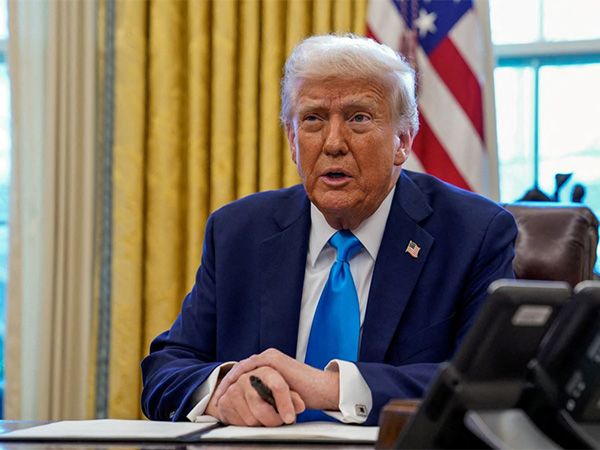
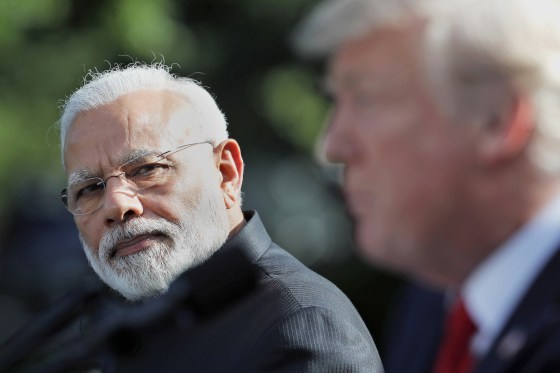
U.S. President Donald Trump, meanwhile, has publicly praised India for “being very good” in reducing purchases of Russian oil while also acknowledging that energy realities limit how far such cuts can go. His comments during the APEC summit in Busan reflected Washington’s dual strategy: isolating Moscow while keeping New Delhi close. For India, that balance is delicate. Russia remains an indispensable partner in defense, nuclear energy, and space cooperation, and Russian President Vladimir Putin’s scheduled visit to India in December underscores that the partnership endures despite Western displeasure. India’s decision-making, officials repeat, is guided by “national interest, affordability, and global market conditions” — principles that anchor its foreign policy even when the world divides into rival energy blocs.
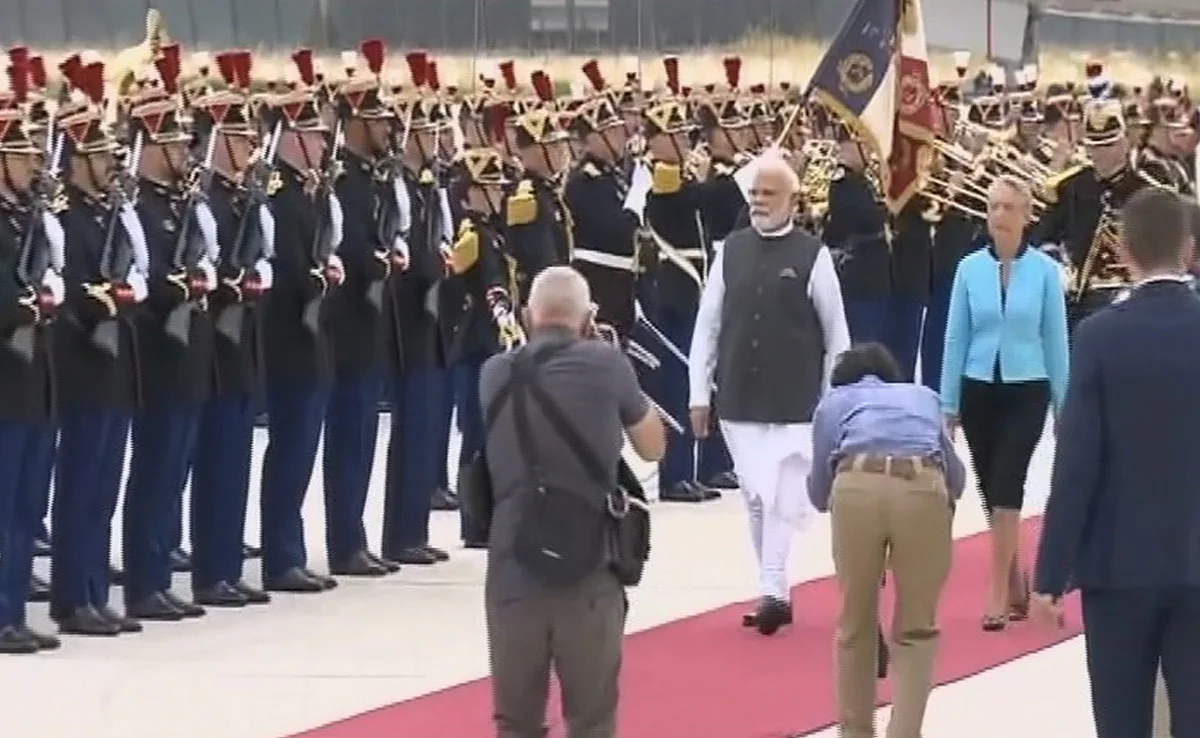
India’s ties with Russia remain one of its most enduring and multifaceted strategic relationships, rooted in decades of defense cooperation, energy partnership, and shared global outlook. Moscow has long been New Delhi’s principal defense supplier, providing advanced systems such as the S-400 air defense missile, nuclear-powered submarines, and fighter aircraft that form the backbone of India’s military capability. Beyond defense, Russia is a key energy partner—supplying crude oil, LNG, and nuclear fuel—and collaborating on civilian nuclear projects like Kudankulam. The partnership also extends to platforms such as BRICS, the Shanghai Cooperation Organization (SCO), and the Eurasian Economic Union, where both countries advocate a multipolar world order and greater Global South representation. As Western alliances shift and global sanctions deepen, India continues to view Russia as a strategic partner—balancing historic trust with pragmatic diversification in technology, trade, and energy security.
Building an Energy Fleet
While diplomatic maneuvers attract attention, a quieter revolution is underway in India’s maritime policy. Speaking at India Maritime Week 2025, Petroleum Minister Hardeep Singh Puri announced plans for India to build its own fleet of oil tankers — a decisive step toward reducing dependence on foreign shipping. At present, India’s three major oil marketing companies — Indian Oil, Bharat Petroleum, and Hindustan Petroleum — spend roughly USD 8 billion every five years on chartering foreign vessels. Despite oil and gas forming nearly 28 percent of India’s total trade by volume, only about one-fifth of that cargo moves under the Indian flag. “This challenge we are now turning into an opportunity,” Puri declared, framing the initiative as part of the government’s “Make in India, Sail for the World” vision.
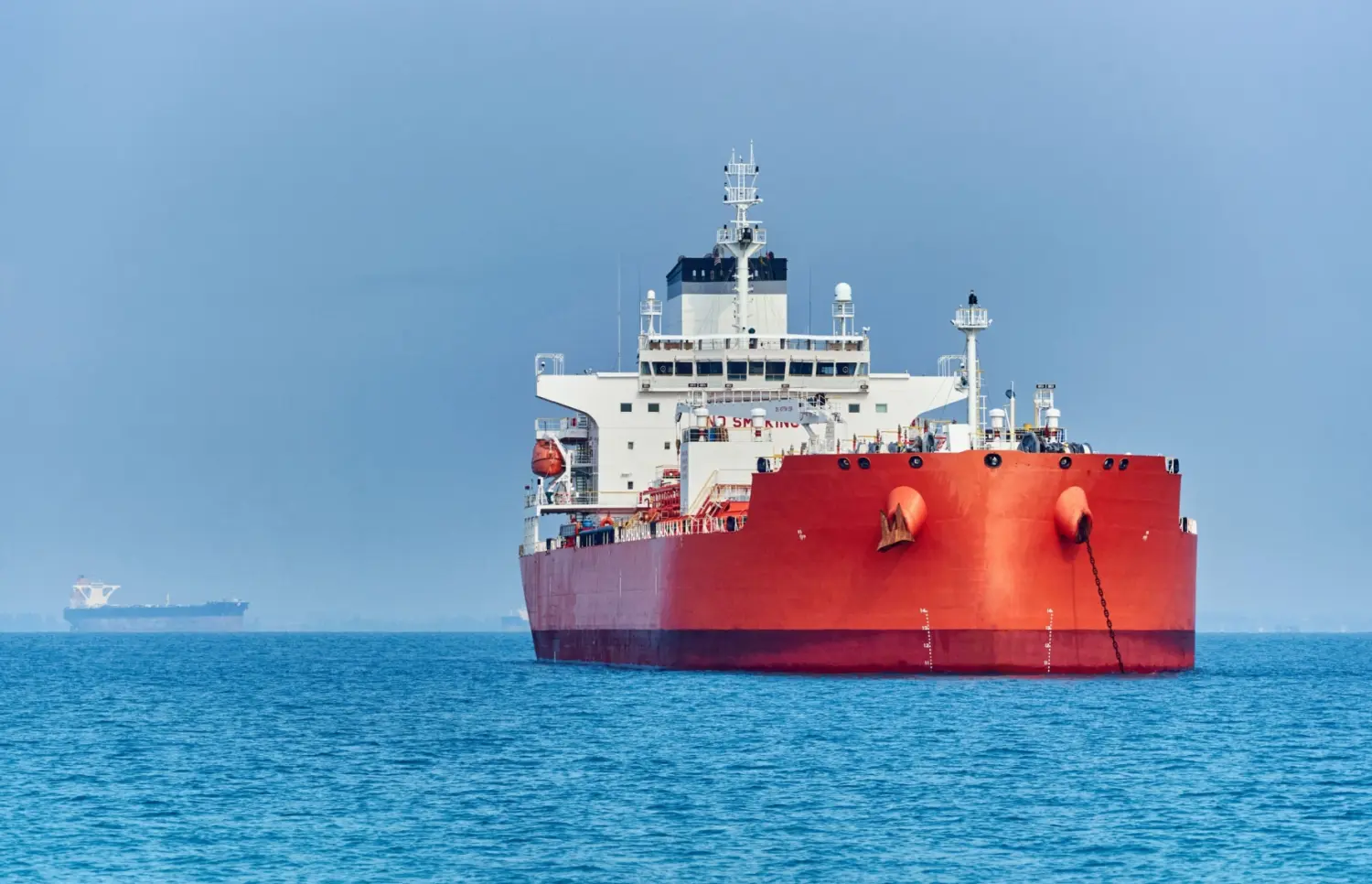
The numbers make the case clear. Freight alone adds up to 10 percent of the landed cost of U.S. crude and 2 percent for Middle Eastern barrels, inflating India’s already large import bill. By developing its own fleet and financing ecosystem — through new ship-owning entities, a Maritime Development Fund, and revised shipbuilding assistance policies — India aims to retain value within its economy while creating a new industrial base. Shipyards in Cochin, Visakhapatnam, Kattupalli, and Kolkata are ramping up capacity, supported by technology partnerships with Daewoo and Mitsui. Puri also highlighted the government’s success in doubling port capacity over the past decade and cutting turnaround times by half, laying the groundwork for an integrated energy-shipping infrastructure. The broader vision ties directly to emerging trade corridors such as the India-Middle East-Europe Economic Corridor and the International North-South Transport Corridor, which will connect Indian ports to Europe, Central Asia, and Africa. In Puri’s words, “Our oceans are not barriers but bridges to a better future.”
Energy Sovereignty
India’s evolving energy policy reflects a pragmatic realism born of experience. The country has endured oil shocks, sanctions, and supply disruptions before, but never with its economy as globally integrated as it is today. What distinguishes this moment is New Delhi’s determination to convert vulnerability into leverage. By maintaining diversified suppliers — from Russia and the Middle East to the United States — and by investing in domestic logistics and shipbuilding, India is building strategic autonomy into its energy system. The Chabahar exemption and ongoing U.S. cooperation in clean-energy projects show that Washington understands the need to accommodate India’s approach rather than confront it.
Still, the path ahead will be complex. Energy transitions worldwide are speeding up, but for a developing economy of India’s scale, hydrocarbons will remain central for at least two more decades. As consumption rises and freight routes evolve, owning the means of transport may prove as important as securing the oil itself. The government’s ambition to attract nearly USD 95 billion in maritime investment and generate 15 million jobs by 2047 is both an economic and geopolitical statement: India intends not just to import energy but to command the routes through which energy moves.
In that sense, the interplay between sanctions, exemptions, and infrastructure building is more than a diplomatic balancing act — it is the architecture of a future where India fuels its growth on its own terms. The energy it seeks is not only in barrels of crude but in the confidence of self-reliance, as it sails through an era where oil, politics, and power remain inseparably intertwined.