

Our Bureau
New Delhi
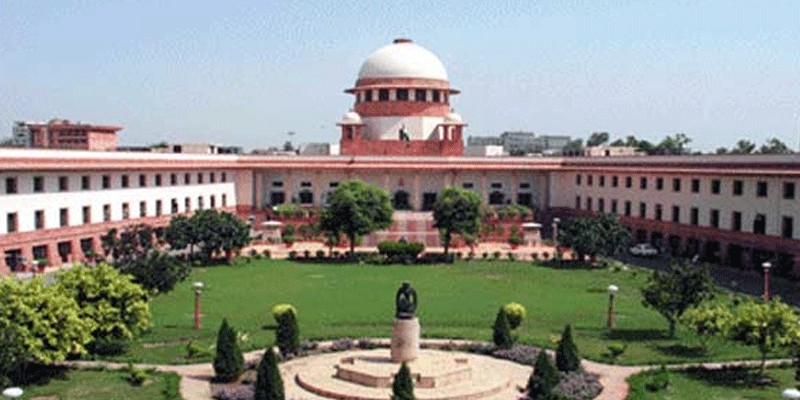
The recent protests in Nepal have shaken up their entire political structure and shown many countries how constitutional breakdowns can push nations into a state of turmoil. This Wednesday, on September 10th, the Supreme Court of India also cited the example of Bangladesh and Nepal after they saw a presidential reference on its April 12 order which had set deadlines for the President and the Governors to clear state bills.
Chief Justice BR Gavai highlighted the stability that the Indian constitutional framework provides. He said, “We are proud of our Constitution… see what is happening in our neighbouring states. Nepal, we saw.” To which Justice Vikram Nath agreed and said, “Yes, Bangladesh too.”
The judges highlighted the protests in both countries which has caused their entire political setup to crumble. In Nepal, two days ago, anti-corruption protests began that are growing fatal with time and have caused 21 deaths with numerous people injured. It has also resulted in their Prime Minister KP Sharma Oli to resign.
In the case, Solicitor General Tushar Mehta tried to defend the accusations on the Governors of delaying bills. Mehta highlighted that delays in decision are very rare and stated that from 1970 to 2025 there have been only 20 recorded instances where the bills were reserved for Presidential consideration. He even stressed on the fact that 90% of the state bills are cleared within a month and are never delayed.
However, the Chief Justice stayed away from looking at the statistics noting the objections to the data presented by the State Governments earlier. “We cannot take statistics… it will not be fair to them. We did not take their statistics; how can we take yours?” the Chief Justice said.