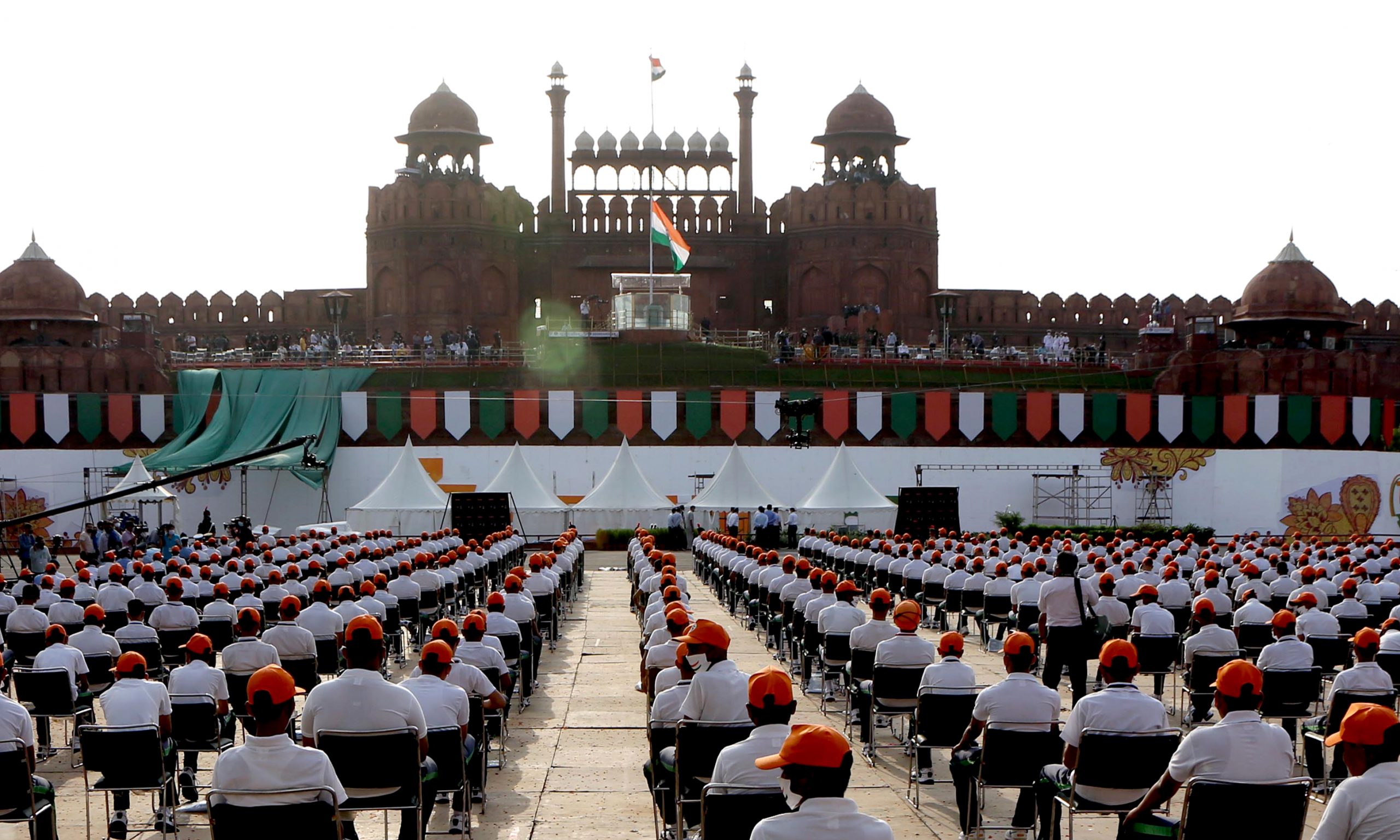


This Independence Day, as the nation celebrates 79 years of freedom, it is fitting to revisit the iconic victories, legendary players, and unforgettable matches that have shaped Indian cricket’s extraordinary story
Our Bureau
Mumbai
Cricket in India is more than just a sport—it is a national heartbeat, a passion that unites millions, and a reflection of the country’s journey since independence. From tentative beginnings in the 1950s to becoming a global powerhouse, Indian cricket has given fans moments of joy, heartbreak, and sheer disbelief.
Humble Beginnings
After India gained independence in 1947, the national cricket team faced the challenge of proving itself on the international stage. The first glimmer of success came in 1952 when India defeated England at Chepauk—a landmark victory that lifted the spirits of a newly independent nation. Later that year, India clinched its maiden Test series against Pakistan, winning the first and third Tests while drawing the rest. Cricket journalist Rajiv Menon recalls, “Those early victories were more than just statistics—they were symbolic statements. India was asserting its identity, not just politically but also on the sports field.”
The rivalry with Pakistan quickly became the heartbeat of Indian cricket. Matches between the two nations carried intense emotions, drawing millions to stadiums and screens. From the first series win in 1952 to memorable encounters in the Asia Cup and World Cups, India-Pakistan games have always transcended sport, representing pride, resilience, and fierce competition.
In 1967-68, India achieved its first Test series win outside the subcontinent, defeating New Zealand 3-1. Veteran cricket historian Anand Mehra notes, “Winning in New Zealand wasn’t just about cricket—it was a psychological breakthrough. For the first time, India’s players realized they could compete anywhere in the world.”
The Golden Era of 1971
The early 1970s marked India’s arrival as a cricketing force. Under Ajit Wadekar’s captaincy, India recorded historic wins in both the West Indies and England. A 1-0 victory in the Caribbean, followed by a 1-0 series triumph in England against Ray Illingworth’s Ashes-winning squad, established India as a serious cricketing power. Former Indian cricketer Sunil Gavaskar has said, “Those series wins gave Indian cricket credibility. Wadekar’s calm leadership and our young players’ fearlessness made the impossible possible.”
These wins inspired a generation of cricketers, including Sunil Gavaskar, Gundappa Viswanath, and later, the fearless attacking players of the 1980s. Cricket began to capture the imagination of the masses, transforming stadiums into arenas of national pride.
The 1983 World Cup
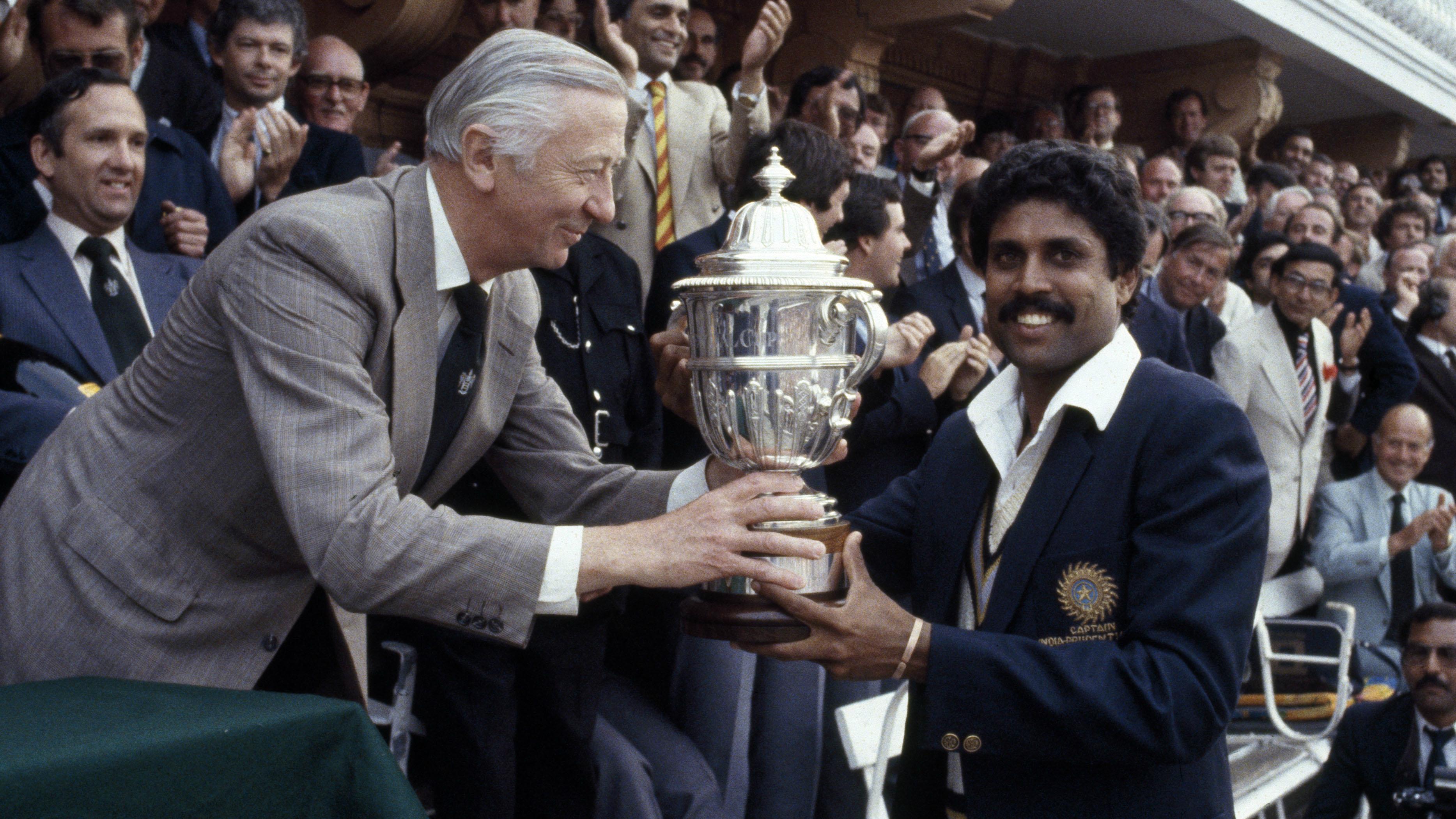
While Test victories were milestones, the 1983 World Cup was a game-changer. Kapil Dev’s team stunned the cricketing world by defeating the dominant West Indies by 43 runs at Lord’s. Cricket fan Aarti Sharma recalls, “I was eight years old, glued to the radio. When Kapil Dev lifted the trophy, it felt like the entire country was celebrating. That day, cricket became a national obsession.”
The victory inspired a new generation of players and fans, proving that India could compete against the world’s best. It also laid the foundation for the rise of limited-overs cricket in India. The 1980s and 1990s saw the emergence of stalwarts like Ravi Shastri, Mohammad Azharuddin, and Anil Kumble, who balanced flair with discipline, helping India consistently challenge cricketing giants.
Individual Legends
Sunil Gavaskar’s historic 10,000th Test run in 1987 symbolized endurance, technical mastery, and consistency. Gavaskar’s elegant strokeplay and ability to handle pressure made him a role model for young cricketers. His records stood for decades, inspiring players like Rahul Dravid, VVS Laxman, and Sachin Tendulkar.
In the early 2000s, India experienced unforgettable moments under Sourav Ganguly’s captaincy, notably the Kolkata Test comeback against Australia in 2001. After a crushing defeat in the first Test, Dravid’s 180 and Laxman’s monumental 281 helped India secure victory, turning the series 2-1 in India’s favor. “That match changed how the world viewed Indian cricket,” recalls former teammate Harbhajan Singh. “It showed we could beat the best under pressure, even away from home.”
Iconic Celebrations
The limited-overs format produced iconic moments, including India’s thrilling win over England in the 2002 NatWest Series final at Lord’s. Chasing 327, India won with just three balls to spare. Ganguly’s shirt-waving celebration became a defining image of Indian cricket’s confidence on foreign soil. Cricket writer Sanjay Rao notes, “It wasn’t just a celebration; it was India announcing to the world that it was fearless and ready to compete.”
Fearless Batting
Virender Sehwag’s triple century against Pakistan in 2004 at Multan showcased fearless, aggressive batting that set the tone for modern Indian cricket. Sehwag redefined how Indian batsmen approached the game, combining classical technique with audacity.
Sachin Tendulkar, the “Master Blaster,” achieved milestones that inspired millions. His 200 against South Africa in 2010 made him the first male cricketer to score a double century in ODIs, while his 100th international century in the 2012 Asia Cup immortalized his career. Tendulkar’s work ethic, humility, and relentless pursuit of excellence created a lasting impact on Indian cricket culture.
Rohit Sharma carried the torch forward, with his record-breaking 264 against Sri Lanka in 2014 still the highest-ever ODI score. Sharma’s ability to pace innings, play long-form cricket in ODIs, and dominate bowlers with elegance established him as one of India’s modern greats.
Era of ICC Trophies
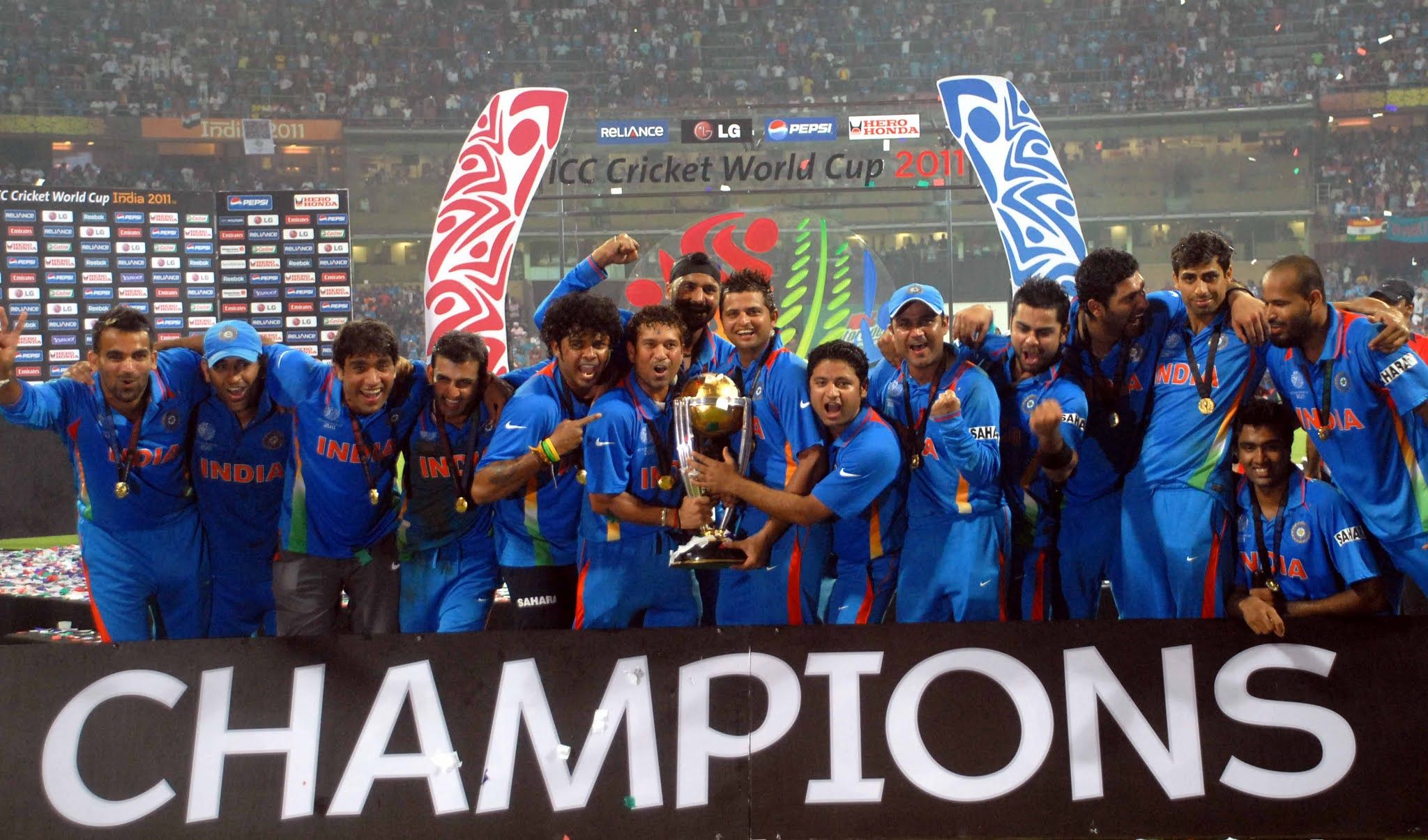
MS Dhoni’s calm leadership and strategic acumen ushered in India’s golden era in limited-overs cricket. Winning the 2007 T20 World Cup, the 2011 Cricket World Cup, and the 2013 ICC Champions Trophy, Dhoni became the only captain to secure all three major ICC trophies. Former teammate Yuvraj Singh remembers, “Dhoni had the rare ability to make everyone believe in themselves, whether it was a young debutant or a seasoned star. He instilled calm and courage in the team.”
The IPL Revolution
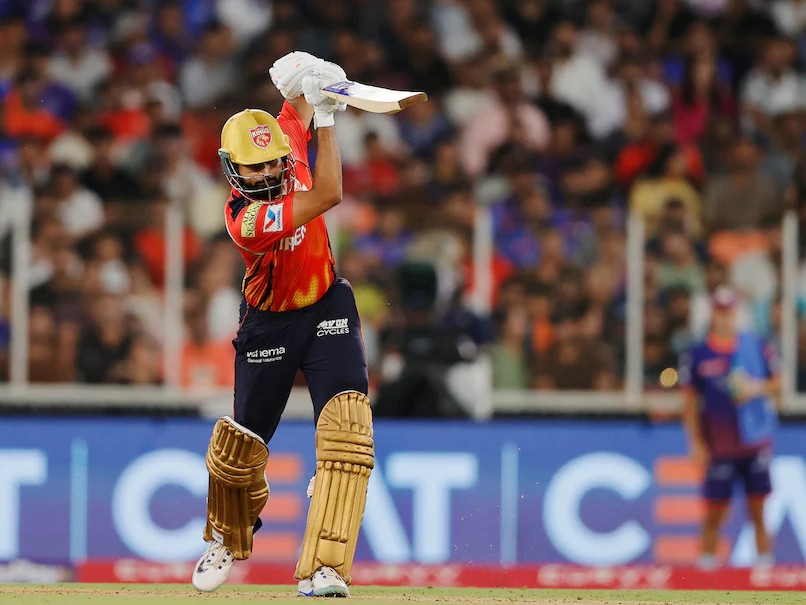
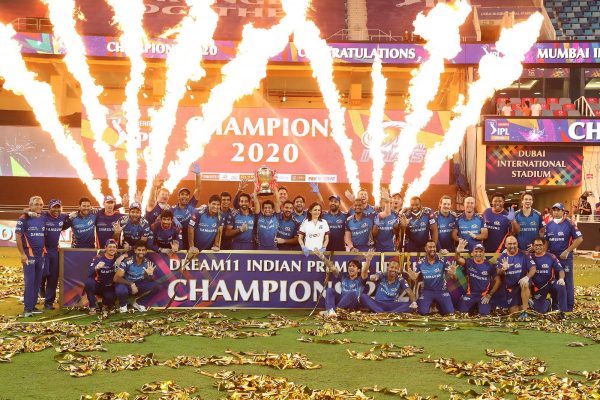
The Indian Premier League, launched in 2007, revolutionized cricket globally. With city-based franchises, international stars, and a festival-like atmosphere, the IPL became the world’s most popular T20 league. Former commissioner Lalit Modi observes, “It wasn’t just a league; it was a cultural phenomenon. It brought cricket closer to fans in ways that Test cricket could never match.” IPL matches now draw millions of viewers and inspire young cricketers to dream big.
Modern Icons
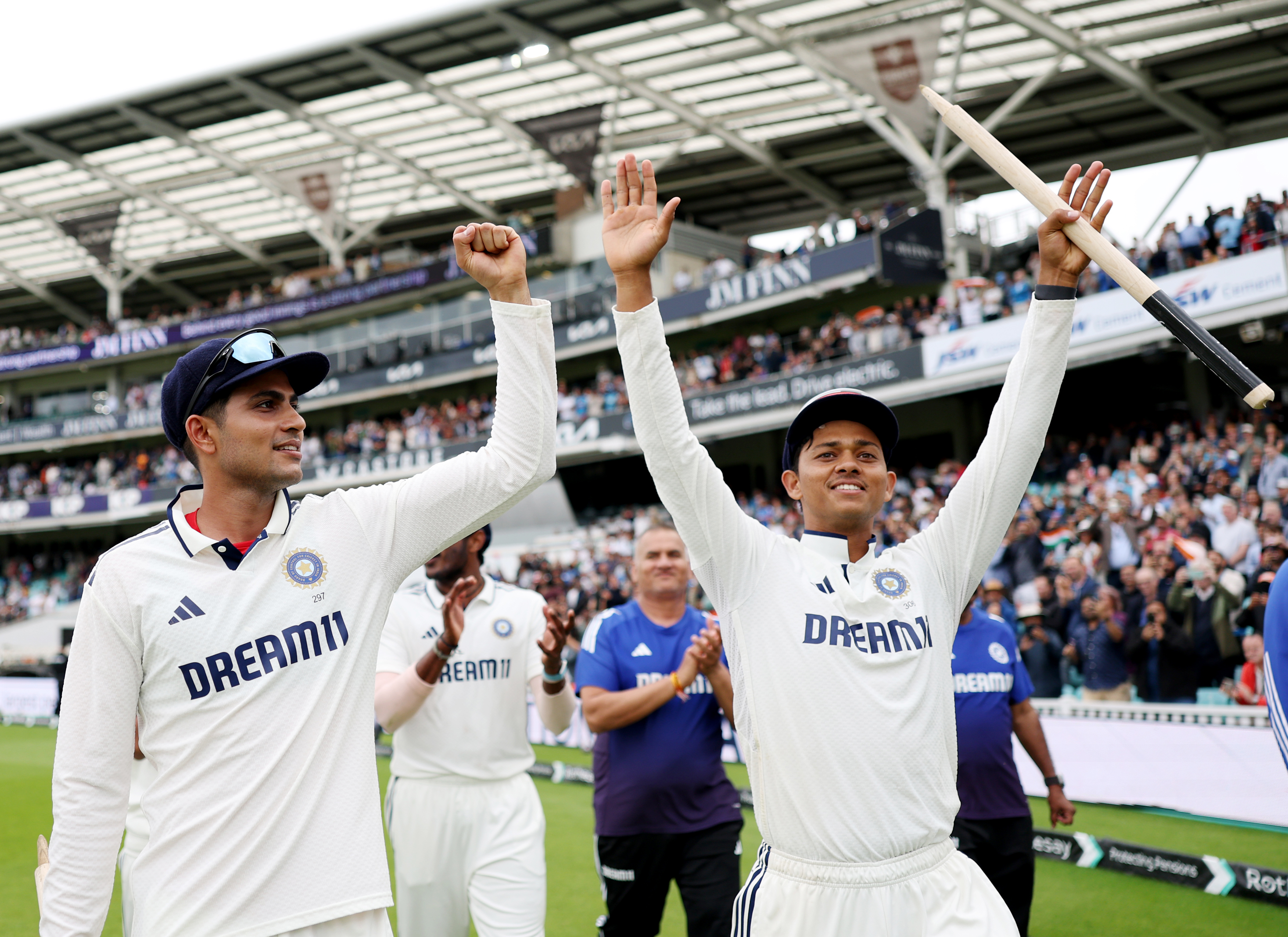
Virat Kohli’s captaincy led India to its first Test series win in Australia in 2018-19, making India the first Asian side to achieve the feat. Rohit Sharma carried forward this momentum, leading India to victories in the 2024 T20 World Cup and the 2025 ICC Champions Trophy. These triumphs, achieved without losing a single match, demonstrate India’s dominance in modern cricket.
Home Dominance
India’s unbroken streak of home Test series wins between 2013 and 2024, spanning 18 consecutive series, reflects consistent excellence and tactical mastery. Cricket is woven into the cultural fabric of India. From stadium roars to street celebrations, fans across the country celebrate cricket as a collective experience. Historian Rakesh Mehta notes, “Cricket mirrors India—its diversity, passion, and resilience. Every victory resonates nationwide, from the villages to the metros.”
Rivalries that Define Indian Cricket
The India-Pakistan rivalry continues to capture imaginations, with each encounter bringing unmatched tension and excitement. Similarly, contests against Australia and England have produced some of Indian cricket’s most memorable moments, from Eden Gardens 2001 to the NatWest Series 2002 and beyond. These rivalries push players to perform at their peak, creating stories that fans relive for decades.
A Journey of Pride and Passion
India’s cricketing journey post-independence is a saga of courage, skill, and unforgettable moments. From tentative early victories to World Cups, individual brilliance to team dominance, India has carved its place among cricket’s elite. As the nation celebrates Independence Day, it is fitting to honor not just the freedom fighters of 1947 but also the sporting heroes who have carried the spirit of India onto the global stage. In India, cricket is more than a game—it is a reflection of the nation’s resilience, dreams, and indomitable heart.