

Our Bureau
San Antonio, TX
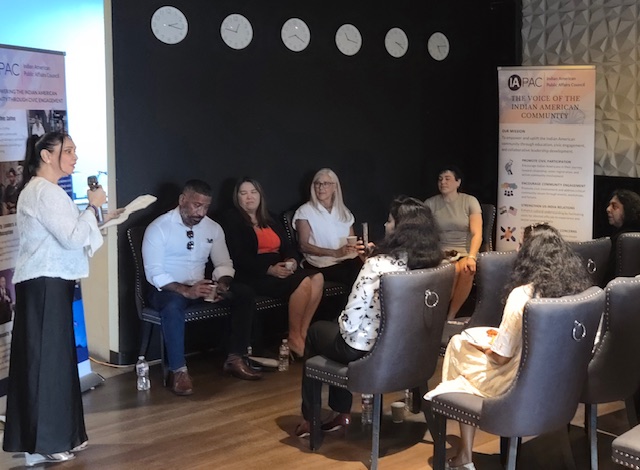
On Sunday, July 27, the Indian American Public Affairs Council (IAPAC), a 501(c)(3) nonpartisan, secular organization, hosted its inaugural San Antonio edition of Conversation Over Coffee, a civic dialogue series designed to connect public officials, legal experts, and residents around critical social issues. This first event centered on the juvenile justice system in Texas, drawing a diverse and enthusiastic audience.
Vaishali Dev, member of IAPAC’s Leadership Council, opened the event with a warm and thoughtful welcome, underscoring the importance of creating community spaces for candid civic engagement.
Dr. Roopa Gir, President of IAPAC, provided a comprehensive overview of the organization’s mission and the driving philosophy behind the series. “Conversation Over Coffee is intended to foster meaningful, unfiltered discussion with those shaping public policy,” she said. “We strive to ensure that community voices—especially from our youth—are heard and included.”
The panel was expertly moderated by Judge Lauren Lepton, a San Antonio native with a robust legal career spanning prosecution, defense, and municipal service. Panelists included Judge Cruz Shaw (436th District Court), Judge Rose Sosa (289th District Court), and long-serving prosecutor Jill Mata, each bringing decades of experience in juvenile justice.
Judge Shaw shared how his journey—from defense attorney to city council member to judge—has shaped his understanding of justice and empathy. “Many families can’t afford to miss work for court. That awareness changes how you view scheduling, judgments, and support,” he emphasized.
Judge Sosa, whose tenure has focused heavily on juvenile law, spoke candidly about the emotional weight of each decision involving youth. “You see potential in some kids but must consider community safety. That tension shapes every ruling.”
Jill Mata provided historical context, sharing her early aspirations and how juvenile advocacy became central to her legal identity. “This work isn’t just procedural—it’s deeply personal,” she said. “Each case reflects a child’s future, their family’s well-being, and the fabric of society.”
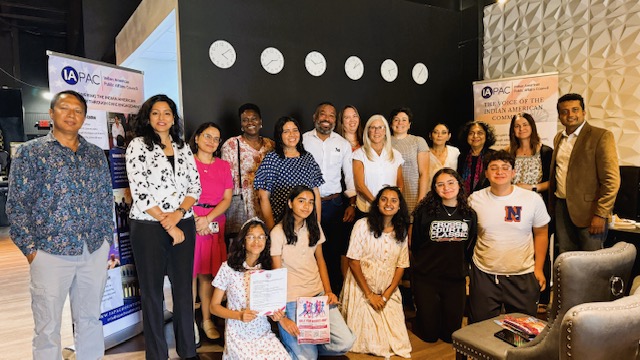
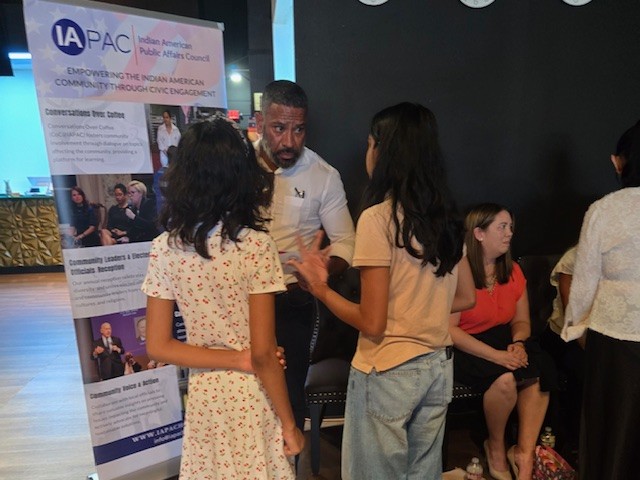
A highlight of the event was the presence of middle school, high school, and college students, who participated actively in the Q&A session. Their insightful engagement highlighted IAPAC’s focus on youth involvement through its YOU@IAPAC initiative, which promotes civic development, leadership, and internship opportunities for young people.
The gathering concluded with a heartfelt vote of thanks by Chirag Soni, who expressed gratitude to the panelists, moderator, attendees, and leadership. He offered special appreciation to Tulsi Fine Indian Cuisine for their gracious hosting of the event at their San Antonio location, supporting IAPAC’s mission of open, inclusive dialogue.
IAPAC connects with the community via multiple engagement platforms: Conversation Over Coffee (COC@IAPAC), the Women Empowerment Series (WE@IAPAC), and youth-focused programming under Youth Outreach and Upliftment (YOU@IAPAC). Each year concludes with Gratitude with Global Cultures and Religions, an intercultural reception honoring public servants and elected representatives.
To learn more about IAPAC’s programs or explore participation opportunities, please contact IAPAC or visit its website iapachouston.org.