

Survey identifies urgent gaps in housing, caregiving, affordability, and access to services
Our Bureau
New York, NY
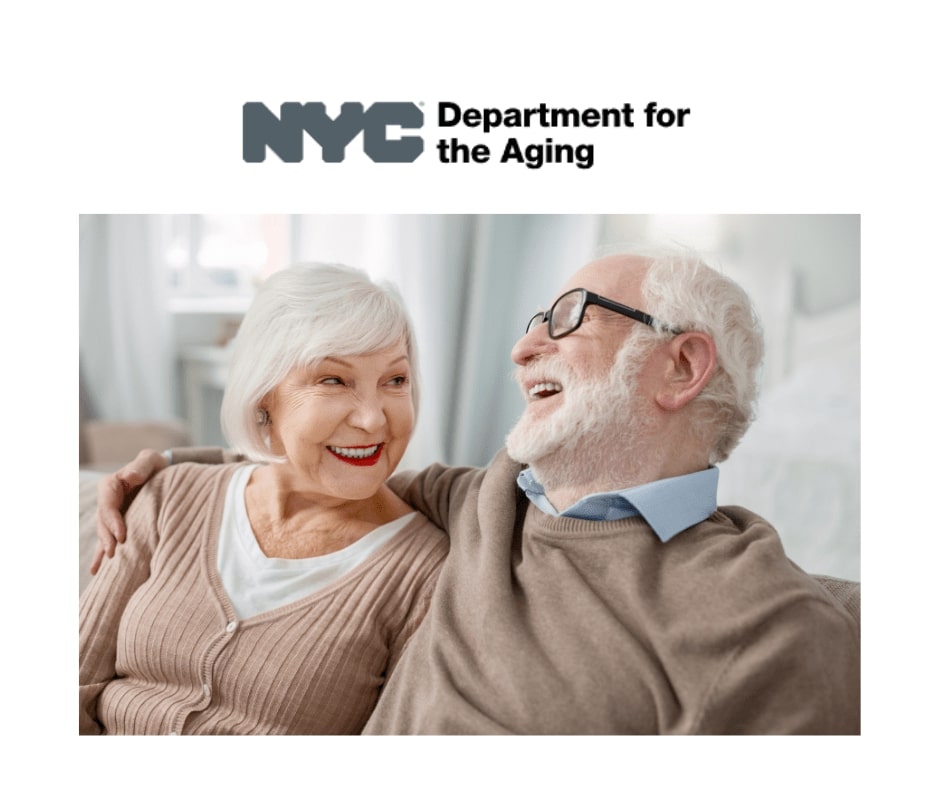
The NYC Department for the Aging (NYC Aging) has released a new report, The State of Older New Yorkers: Building an Age-Inclusive Future, offering the most comprehensive picture yet of what older adults across the five boroughs say they need to continue living healthy, independent lives in their communities.
Based on the department’s first-ever Service Needs Assessment Survey, launched last summer, the report draws on responses from 8,600 New Yorkers—most of whom currently do not access NYC Aging services. The findings highlight both the challenges and opportunities involved in supporting one of the fastest-growing populations in the city.
“Older New Yorkers are the heart and soul of our communities,” said Mayor Eric Adams. “The results of this survey will help further the progress we’ve made in the last three years through the Cabinet for Older New Yorkers, making our city safer, reducing ageism, and improving access so older adults can live with the dignity and respect they deserve.”
NYC Aging Commissioner Lorraine Cortés-Vázquez emphasized the diverse voices represented in the survey, noting that older adults and caregivers from all five boroughs, speaking multiple languages and coming from different cultural backgrounds, shared what they need to lead socially active and healthy lives. She said the results will help serve not only today’s older adults, but also those who are approaching later life. Given the growing size of this population, Cortés-Vázquez emphasized the urgency of using the data to make informed decisions for a better future.
Among the key findings, 41 percent of older adults reported difficulty paying at least one bill, while 30 percent struggled to afford healthy food. Nearly one in four indicated they do not have stable housing, and 28 percent said they had at least one limitation that makes it difficult to leave their homes. Age discrimination also emerged as a major concern, with one in four older adults reporting personal experiences of it.
The report also sheds light on the pressures faced by caregivers. Nearly 30 percent of caregivers under the age of 60 said they care for both an older adult and a minor. Furthermore, 54 percent of New Yorkers under 60 reported spending between 15 and more than 30 hours per week on caregiving responsibilities.
In response to these and other concerns raised by the survey, New York City has already implemented a range of initiatives. An Older Adult Liaison has been appointed to every NYPD precinct and service area to ensure seniors affected by crime can access the supports and programs available to them. In the current fiscal year, 54,943 older New Yorkers have received assistance signing up for the Senior Citizen Rent Increase Exemption and/or the Disability Rent Increase Exemption, helping them remain in their communities.
The NYC Commission on Human Rights has been actively educating participants in NYC Aging’s Older Adult Workforce Program about age discrimination and informing them of their rights and available support in the workforce. The city also launched two intergenerational programs, one with NYC Public Schools and the other with the Department of Youth and Community Development. These efforts to reduce ageism were recently recognized as national Programs of Merit by Generations United.
In the area of public safety and infrastructure, the Department of Transportation has engaged older adults in discussions about how to make city streets safer and easier to navigate, leading to the implementation of new traffic calming measures. Meanwhile, community health workers from NYC Health + Hospitals and the NYC Department of Health and Mental Hygiene have undergone training to better understand and share information about the wide range of programs available to older adults.
To ensure broad participation, the Service Needs Assessment Survey was distributed in the eleven most spoken languages among older adults and caregivers. NYC Aging promoted the survey through community events, social media, and partnerships with community-based organizations.
This newly released report is the first in a series. Future reports, to be published later this year, will focus on elder justice, health and wellness, and borough-specific findings. A new webpage has been launched on the NYC Aging website, where residents can access the full report and explore the survey data.
About NYC Aging:
The NYC Department for the Aging (NYC Aging) works to eliminate ageism and empower nearly 1.8 million older New Yorkers to live independently in their communities. The department provides essential programs and resources that support physical and mental well-being across all five boroughs.