








Our Bureau
Mumbai
Rising tensions in the Gulf have forced major marine insurers to cancel war‑risk coverage for ships passing through Iranian waters and nearby regions, sending alarm bells through India’s import‑dependent economy. The changes, effective from March 5, are expected to sharply raise shipping costs and may soon push up prices of fuel, food, and other everyday goods for Indian consumers.
Leading global insurers, including NorthStandard, Gard, and the London P&I Club, have pulled back war‑risk protection, citing growing threats from missile attacks, vessel seizures, and disruptions around the Strait of Hormuz. Routes that were already marked as “high‑risk” will now attract much higher premiums, and in some cases, insurers say owners may struggle to get any cover at all.
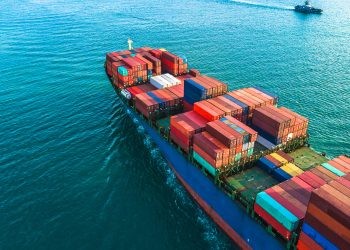
Industry experts estimate that insurance costs for large tankers could jump from around 0.25 percent of a ship’s value to more than 0.5 percent, adding hundreds of thousands of dollars to each voyage. Many ships are already being rerouted away from the Suez Canal and the Gulf, taking longer paths via the Cape of Good Hope. Freight charges for containers have reportedly risen by roughly $2,000–$3,000 per box, with India–China trade also seeing hikes of about $1,000 per container.
For India, the impact is serious. The country imports an estimated 2.5–2.7 million barrels of crude oil every day through the Strait of Hormuz, which handles about one‑fifth of the world’s oil trade. Every $10 rise in global oil prices is estimated to add around $13–$14 billion to India’s import bill, raising the risk of higher inflation in fuel, transport, and even food and plastics.
Shipping and insurance experts warn that longer routes, higher freight, and pricier coverage will trickle down to businesses and households unless the situation in the Gulf stabilises quickly. Some analysts are calling for India to look at route diversification, stronger risk planning, and better pre‑shipping agreements with insurers to reduce the shock of any future flare‑ups in the region.