








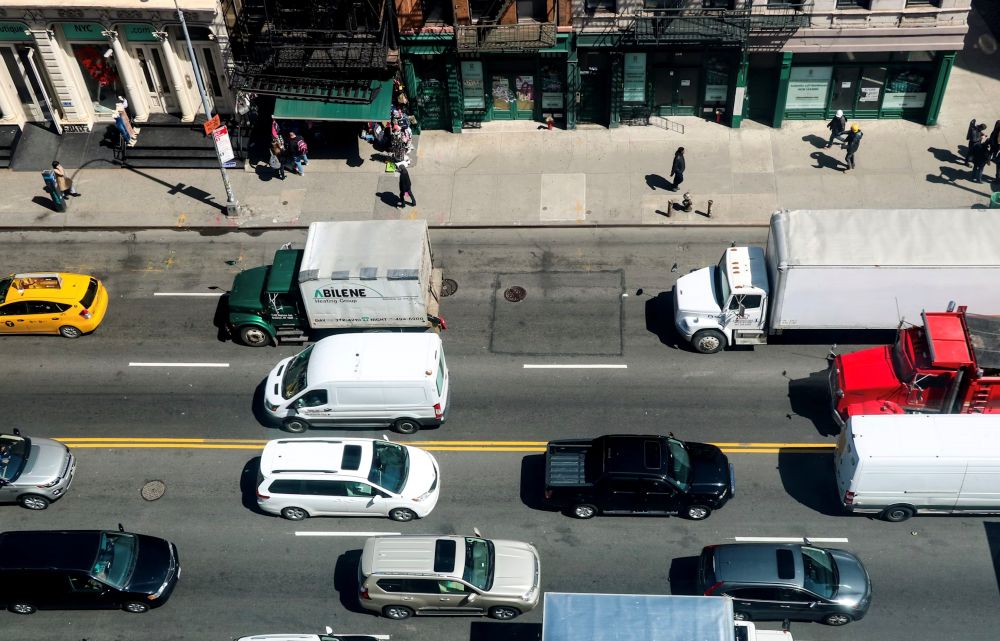
Partnership for NYC Study Exposes Geographic Inequality Costing Brooklyn Families an Extra $5,000 Per Year
Our Bureau
New York, NY
An authoritative report released this week by the Partnership for New York City reveals the extent to which working families in Brooklyn, the Bronx, Queens, and across New York City’s neighborhoods are being forced to subsidize auto insurance costs for the entire state—paying nearly four times more than upstate drivers for identical coverage.
According to the report Spotlight: Affordability Models for New York’s Car Insurance Industry, Brooklyn families pay $6,779 annually for full-coverage auto insurance, while drivers outside the City pay just $1,774 for the same protection. That’s an extra $5,005 per year—money that could cover groceries for months, help pay rent, or support a child’s education. For example, Brooklyn and New Jersey are close localities, but their car insurance rates differ. The annual premium in Jersey City is $3,414—Brooklyn residents pay nearly double that.
The report confirms what the Citizens for Affordable Rates (CAR) coalition has been fighting against: New York’s broken insurance system punishes working families and communities of color with the nation’s highest premiums while delivering the lowest traffic death rates in America.
“This report puts numbers to what families in Jackson Heights, Sunset Park, and East New York have known for years: we’re being charged like we’re the most dangerous drivers in America when the opposite is true,” said José Bayona, spokesperson for Citizens for Affordable Rates. “Our neighborhoods have some of the safest streets in the country, yet a delivery driver in Corona pays nearly $7,000 a year while commuters in other areas pay a fraction of that amount. This system is broken, and lawmakers should support Gov. Hochul’s plan to fix it.”
The Partnership report documents how New York state leads the nation with an average annual cost of $1,773 just for minimum coverage—25% higher than New Jersey, 67% higher than Florida, and 94% higher than California. But the crisis hits hardest in New York City’s working-class neighborhoods.
The same family budget that allows an upstate household to afford comprehensive insurance forces a Brooklyn family to choose between adequate coverage and putting food on the table. For immigrant families running small businesses—from bodega owners to livery drivers to restaurant delivery services—these inflated costs create a ripple effect throughout entire communities.
“When a bodega owner in the South Bronx pays $6,000 for insurance while a store owner in a small upstate town pays $2,000, that $4,000 difference doesn’t just disappear,” Bayona explained. “It shows up in higher prices for bread, milk, and everything else working families need. It forces cab drivers to work longer hours away from their families. It makes delivery fees more expensive for everyone.”
The irony is devastating. New York City residents, who drive the safest and have the fewest accidents, pay the highest premiums to protect insurance company profits from lawsuits that disproportionately occur elsewhere.
Reform Models From Other States Offer Proven Solutions
The Partnership report highlights successful insurance reforms in Ohio, Florida, and Michigan that have dramatically reduced costs for working families:
- Michigan achieved a 15% decrease in statewide rates between 2013 and 2023
- Florida saw rates drop 6.5% in 2025 after comprehensive reform
- Ohio consistently ranks among the nation’s lowest insurance costs—the only high-population state to achieve this
These states succeeded by replacing New York’s outdated “No-Fault” insurance system with comparative negligence models, capping excessive lawsuit payouts, and limiting how much ZIP codes can inflate premiums for urban drivers.
The report confirms that 93% of healthcare fraud and 75% of all fraud reports in New York are related to the state’s No-Fault insurance system—a broken model that only 12 states still maintain, while the other 38 have moved to fairer alternatives.
For New York City’s multiethnic communities, these aren’t abstract policy debates—they’re daily survival calculations.
A home health aide in Flatbush is working two jobs to support her family. A Korean small business owner in Flushing whose insurance costs force him to cut employee hours. A Mexican restaurant owner in Sunset Park must raise delivery fees because his drivers’ insurance premiums keep climbing. A Bangladeshi taxi driver in Jamaica who works 60-hour weeks because insurance eats up a quarter of his earnings.
Call For Legislative Action
The Citizens for Affordable Rates coalition is calling on state legislators to take action during the current legislative session by closing loopholes exploited by bad actors, strengthening fraud enforcement, updating outdated legal standards, and modernizing liability rules that have fueled higher car insurance premiums for years.
“Governor Hochul took an important first step in her State of the State address,” Bayona concluded. “Now the Legislature must finish the job. The Partnership report provides them with a roadmap. Working families in Brooklyn, the Bronx, and Queens have given them the mandate. The only question is whether Albany will stand with the communities paying $7,000 a year or the special interests profiting from the status quo.”
About Citizens for Affordable Rates (CAR)
Citizens for Affordable Rates (CAR) is a coalition of citizens, advocates, and organizations dedicated to tackling the root causes of high costs in New York. Through advocacy, education, and policy reform, CAR is committed to building an affordable and dependable system for all New Yorkers. For more information, visit: www.citizensforaffordablerates.com