








Our Bureau
New Delhi
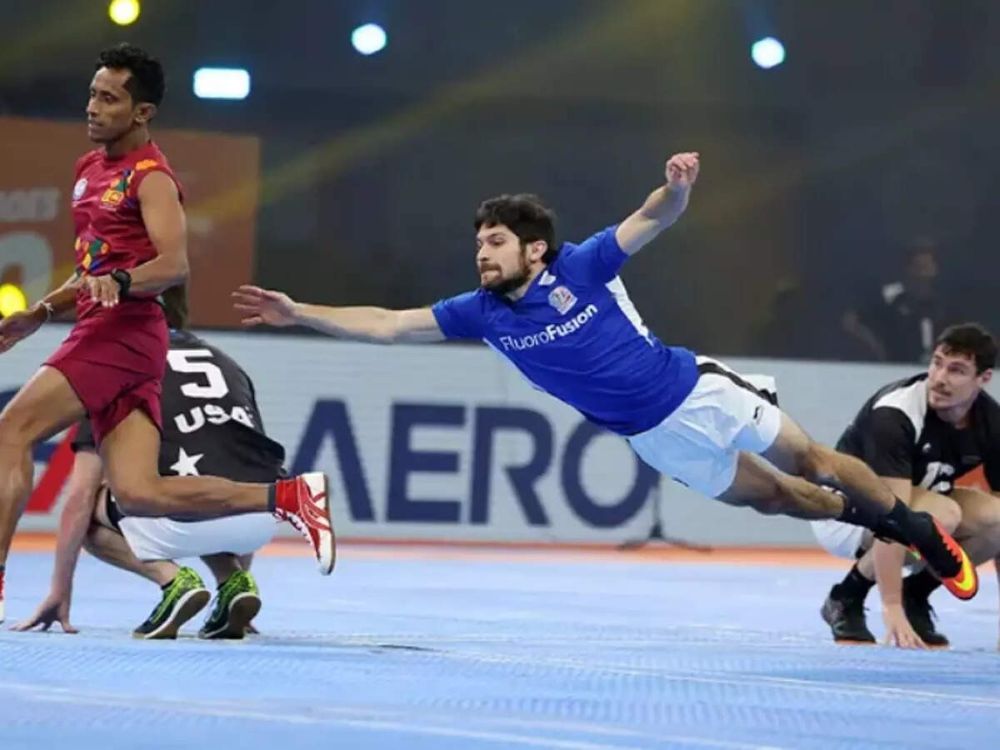
Once seen as a cultural pastime within the Indian diaspora, the traditional Indian sport of Kho Kho has made a dramatic breakthrough on the U.S. sports scene following the inaugural Kho Kho World Cup in New Delhi (13–19 January 2025). The event featured fixtures such as Sri Lanka vs. USA and South Korea vs. USA, while India ultimately claimed both men’s and women’s titles.
American participation marked a milestone, galvanised further by visible institutional enthusiasm — even the U.S. Embassy in India publicly celebrated the team. Back home, the USA Kho Kho Federation has formalised state programmes in California, New Jersey, and Georgia, laying the groundwork for grassroots adoption.
The sport’s broader exposure actually began in 2024, when the U.S., Argentina, Brazil, and Peru joined the World Cup roster for the first time. Their involvement demonstrated not just symbolic representation but serious intent, as athletes and coaches returned determined to build local leagues.
What makes Kho Kho relatable for U.S. audiences is its familiarity — the game mirrors elements of tag and dodgeball, sports already woven into American childhood. Its low-cost setup, reliance on speed and teamwork, and adaptability to school playgrounds and community fields have further accelerated its popularity.
In California, community leagues and youth training camps have sprouted up; New Jersey schools are experimenting with federated programmes backed by diaspora groups; Georgia has pioneered university partnerships and interstate competitions. Crucially, these initiatives are no longer confined to Indian-American communities but are beginning to draw wider participation.
Beyond entertainment, Kho Kho offers tangible benefits: improved fitness, agility, and reflexes; an emphasis on teamwork and strategy; and the promotion of cultural exchange within American sports culture.