








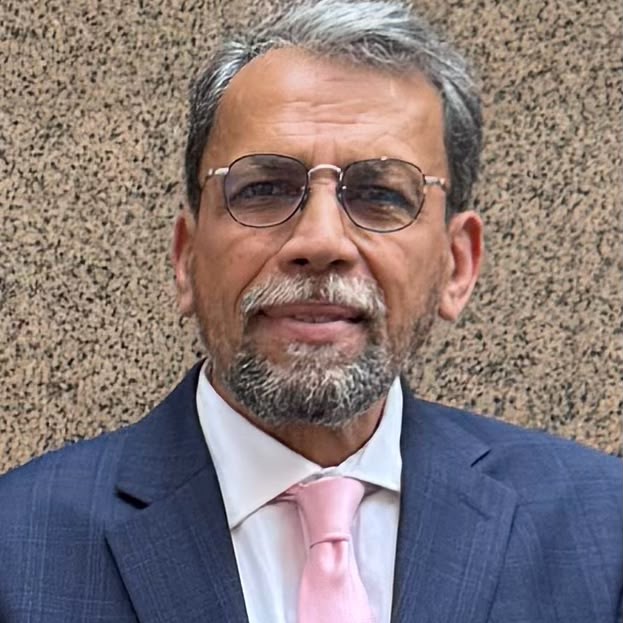
By Jagdish Sewhani
The visit of Rashtriya Swayamsevak Sangh (RSS) Sar Sanghachalak Mohan Bhagwat to New York represents far more than another engagement by a prominent Indian leader abroad. It is a moment of recognition for an increasingly confident Hindu American community and an opportunity to explain the RSS directly, without the distortions through which it is often portrayed.
Bhagwat Ji will address the Universal Oneness Celebration in New York on August 29. The gathering coincides with Raksha Bandhan and is centred on the ancient Indian ideal of Vasudhaiva Kutumbakam — the world is one family.
That message could hardly be more relevant today. Societies across the world are struggling with conflict, religious intolerance, political polarisation and social fragmentation. The need of the hour is not another ideology of division. It is a civilisational vision that recognises the dignity of every human being and the responsibilities binding communities together.
That is why Bhagwat’s presence in New York is significant.
For generations, the RSS has worked quietly at the grassroots. Its volunteers have served communities during floods, earthquakes, pandemics and other emergencies. They have established schools, supported tribal and disadvantaged communities, promoted social harmony and encouraged citizens to place service before self.
The organisation does not seek applause for this work. Service is embedded in its character. Yet the global discussion about the RSS frequently ignores this record and instead relies on political labels supplied by its ideological opponents.
Bhagwat’s visit provides Americans with an opportunity to hear the RSS perspective without intermediaries. It allows dialogue to replace caricature and personal engagement to challenge preconceived conclusions.
As a proud and unapologetic supporter of the RSS, I believe its central message is neither exclusion nor domination. It is cultural confidence combined with social responsibility. Hindutva, as I understand and support it, is a civilisational outlook. It respects different paths of worship while affirming the cultural foundations that have sustained India for thousands of years.
Critics have every right to question the RSS and protest peacefully. That freedom is fundamental to American democracy. But criticism should rest on facts, not fearmongering. Attempts to prevent Bhagwat Ji from speaking, or to stigmatise those attending the programme, contradict the principles of openness and dialogue their proponents claim to defend.
The New York gathering also reflects the remarkable progress of Hindu Americans. They are doctors, entrepreneurs, educators, attorneys, artists, public servants, veterans and community volunteers. They contribute to America while remaining connected to their spiritual and cultural inheritance. There is no contradiction between these identities.
Indeed, the Hindu American experience demonstrates that cultural rootedness can strengthen responsible citizenship. A person secure in his or her heritage is better equipped to engage with other traditions respectfully and confidently.
For younger Hindu Americans, Bhagwat’s visit carries special meaning. Many are searching for ways to understand their identity amid competing narratives about India and Hinduism. They deserve access to their own traditions and institutions without being made to feel defensive or apologetic.
The programme’s emphasis on pluralism, civic participation, interfaith understanding and service should therefore be welcomed. These are not merely Hindu concerns. They are American concerns and universal concerns.
New York is an appropriate setting for this message. Few cities embody diversity as visibly. People of different religions, languages and national origins live and work alongside one another. Bringing the idea of Vasudhaiva Kutumbakam to this global city underlines its universal character.
Bhagwat Ji’s visit is ultimately about confidence, conversation and connection. It connects India’s ancient civilisational wisdom with the challenges of the modern world. It gives Hindu Americans a platform to celebrate their heritage while reaffirming their commitment to the United States.
Those willing to listen may discover that the RSS is not the organisation its opponents describe. They may instead encounter a movement grounded in discipline, service, cultural pride and the conviction that humanity is one family.